Operation Epic Fury: The Decapitation of Tehran and the New Map of Middle Eastern Conflict
TEHRAN / WASHINGTON D.C. — The Middle East has entered a state of total regional upheaval following a massive, coordinated preemptive strike launched by the United States and Israel against Iran. Titled “Operation Epic Fury” by Washington and “Operation Lion’s Roar” by Jerusalem, the offensive has resulted in the confirmed death of Iran’s Supreme Leader and the systematic dismantling of the country’s strategic military infrastructure.
A Masterclass in Modern Warfare
The campaign, which commenced in the early hours of February 28, represented the largest concentration of Western firepower in the region in over a generation. U.S. Central Command (CENTCOM) reported that within the first 48 hours, coalition forces neutralized more than 1,250 strategic targets. These included hardened underground missile silos, naval assets, command-and-control centers, and key facilities linked to Iran’s nuclear program.
The operation showcased a formidable technological triad. B-2 Spirit stealth bombers were deployed directly from the United States mainland, flying grueling intercontinental missions to strike deep-buried bunkers with 900kg precision-guided munitions. Simultaneously, the “Lucas” drone—a cost-effective, one-way attack UAV—made its combat debut, serving as an expendable vanguard to saturate and exhaust Iranian air defense networks before the primary wave of manned aircraft arrived.
The Intelligence Breach and the Fall of the Leader
In a development that has sent shockwaves through the global community, Iranian state media confirmed that Supreme Leader Ayatollah Ali Khamenei was killed during the initial bombardment of Tehran. Reports suggest that a years-long intelligence breach by Israel’s Mossad played a decisive role in the “decapitation strike.”
Operatives reportedly gained unauthorized access to Tehran’s municipal traffic camera network, allowing them to monitor the daily routines and “behavioral patterns” of high-ranking officials for years. This persistent surveillance allowed coalition forces to pinpoint the exact moment the 86-year-old leader gathered with his inner circle in an above-ground facility, a rare departure from the safety of their secret underground bunkers.
Iran’s “Rain of Fire” Retaliation
In the wake of the loss of their leader, the Islamic Revolutionary Guard Corps (IRGC) declared a “total counter-attack” under the banner of “Operation True Promise IV.” Tehran’s response was massive, involving the launch of over 1,300 missiles and kamikaze drones targeting 27 U.S. and Israeli military bases scattered across eight countries in the Persian Gulf.
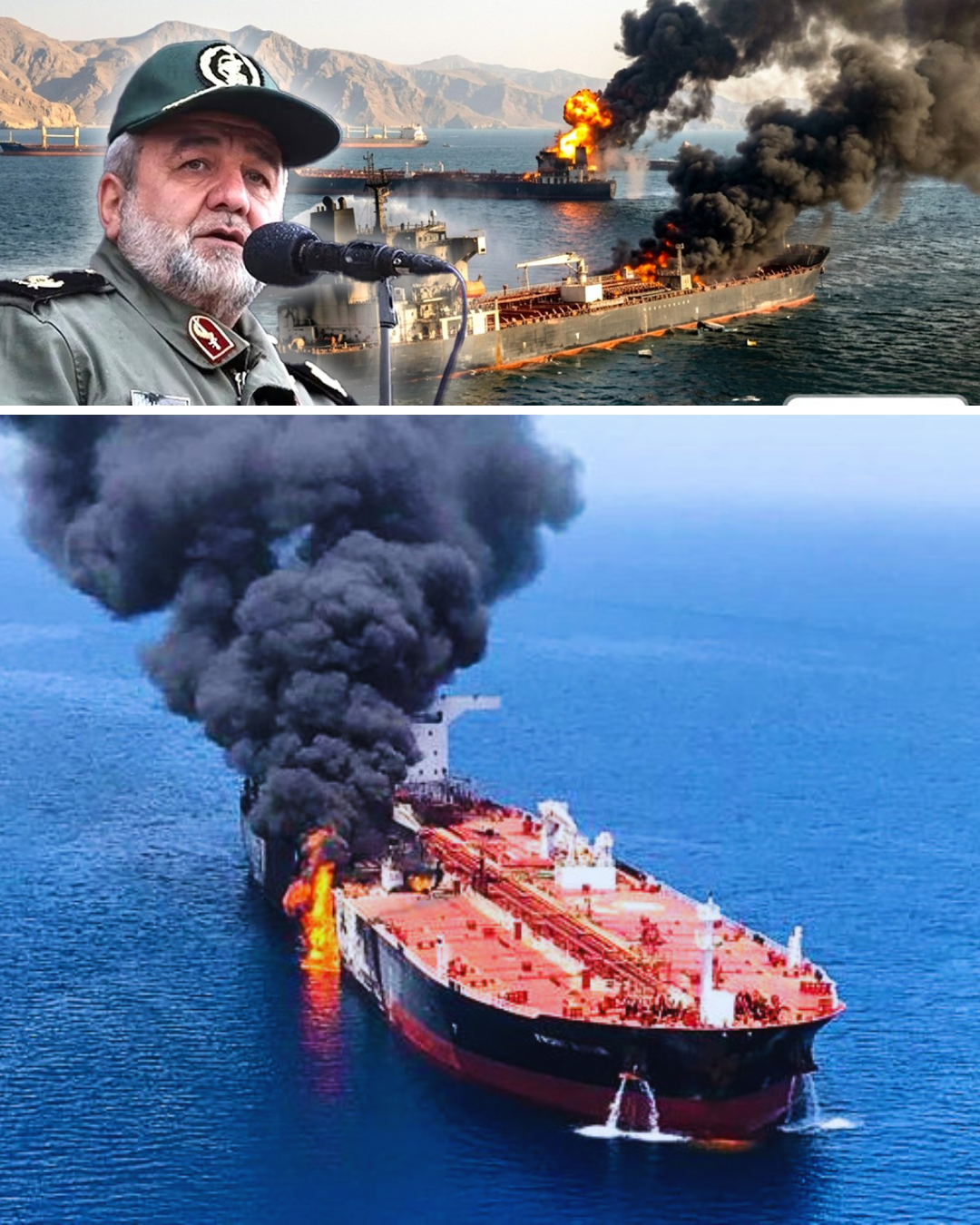
The retaliation significantly impacted regional hubs. In Dubai and Bahrain, debris from intercepted missiles caused fires near luxury developments and industrial ports. The most potent economic strike, however, was Iran’s official closure of the Strait of Hormuz—the maritime artery responsible for 20% of the world’s oil and gas transport. The move caused Brent crude prices to spike by 13% to over $82 per barrel, prompting shipping giants like Maersk to reroute vessels around the Cape of Good Hope.
Global Humanitarian and Diplomatic Fallout
The human cost of the “Epic Fury” has been severe. Iranian authorities report that at least 555 people have been killed nationwide, including nearly 200 children in a single strike on a primary school in southern Iran. In response to the escalating violence, the U.S. State Department issued an emergency order for American citizens to immediately evacuate 16 Middle Eastern countries.
Internationally, the strikes have faced sharp condemnation from Moscow and Beijing. Russian President Vladimir Putin engaged in urgent “firefighting” diplomacy with Gulf leaders to prevent a total regional collapse, while China labeled the operation a “serious violation of sovereignty.” In a unique diplomatic twist, Ukrainian President Volodymyr Zelenskyy offered Kyiv’s expertise in drone interception to the Gulf nations, provided they could secure a humanitarian ceasefire in Ukraine.
A Precarious Future
While President Donald Trump has stated that the operation is proceeding ahead of schedule and that the Iranian leadership was dismantled in a single day, military analysts warn of a “new quagmire.” With the Supreme Leader gone and Iran shifting toward a highly militarized “garrison state” driven by survivalist nationalism, the doctrine of “strategic patience” has ended. As Washington prepares for a “massive surge” in operations over the next 24 hours, the world remains on a knife-edge, watching a conflict that is fundamentally redrawing the global order.