🌍🏺 Whale Graveyards, Lost Worlds, and Sea Dragons: Discoveries That Are Rewriting Ancient History
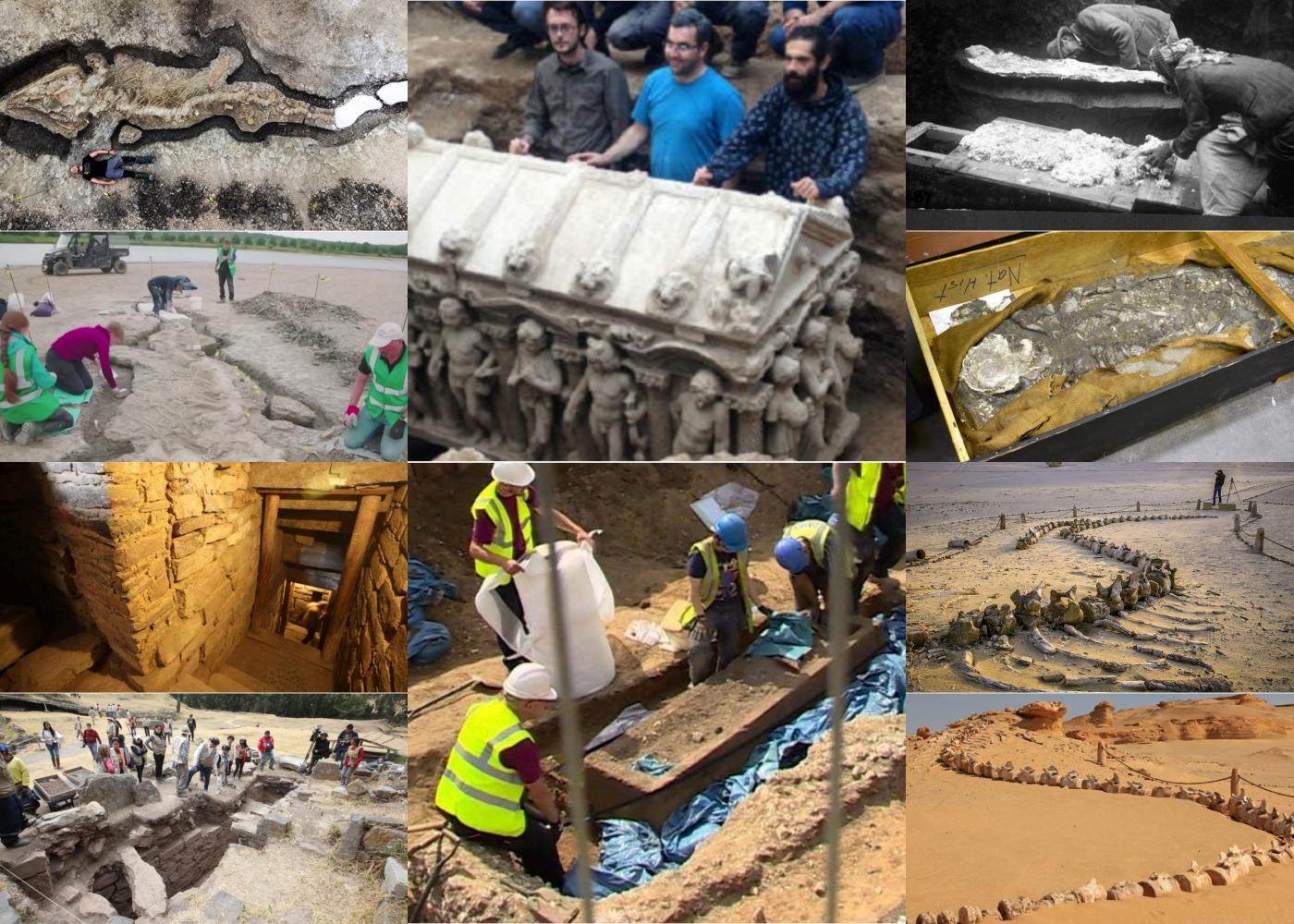
From the burning sands of Egypt to the cliffs of Britain, extraordinary archaeological and paleontological discoveries are capturing global attention. Some challenge assumptions. Others confirm science in breathtaking ways. Together, they reveal a planet far older — and far stranger — than many imagine.
🐋 Egypt’s Hidden Treasure: A Million-Year-Old Whale Graveyard
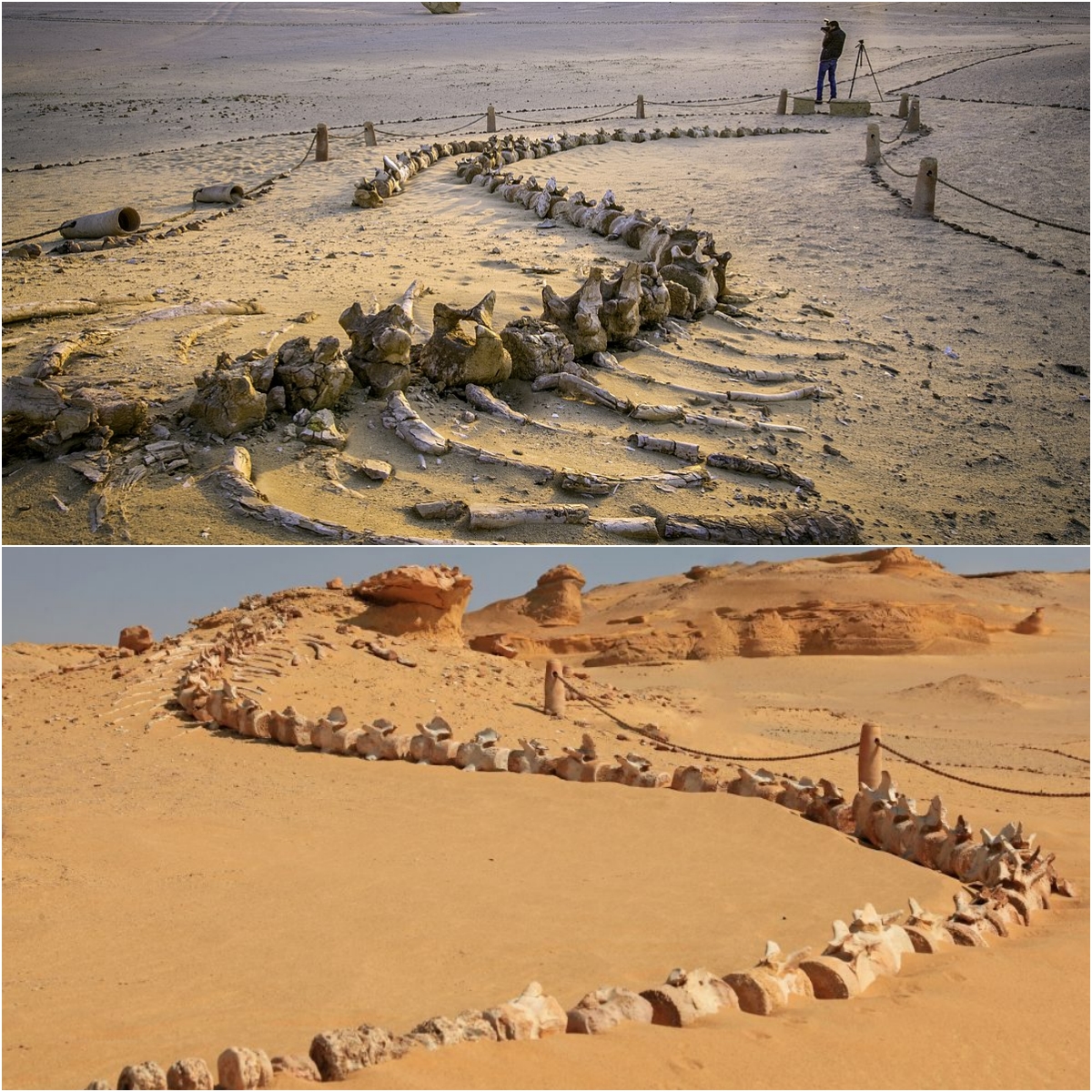
While the pyramids dominate postcards, one of Egypt’s most astonishing sites lies deep in the desert: Wadi Al-Hitan, also known as the Valley of the Whales.
Here, hundreds of fossilized whale skeletons dating back roughly 40 million years — not a million, as often exaggerated — rest in what was once an ancient ocean. These fossils document a critical evolutionary transition: whales evolving from land-dwelling mammals into fully aquatic giants.
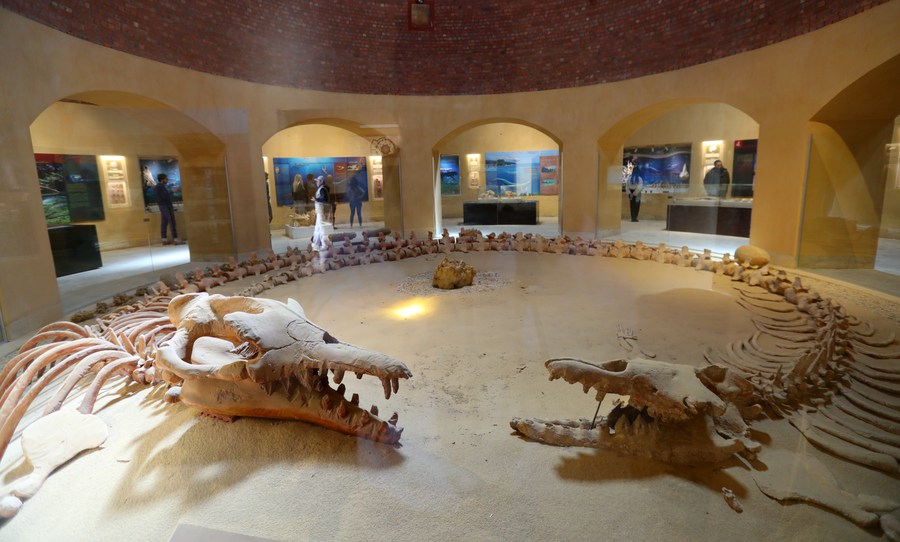
Long before the first pharaoh ruled, this desert was a sea teeming with life. The site stands as a powerful reminder that Earth’s greatest monuments may not be human-made at all.
🌊 The 6,500-Year-Old “Flood Survivor” Mystery
A recently discussed burial of a 6,500-year-old man has sparked sensational claims linking him to a catastrophic flood described in biblical narratives.
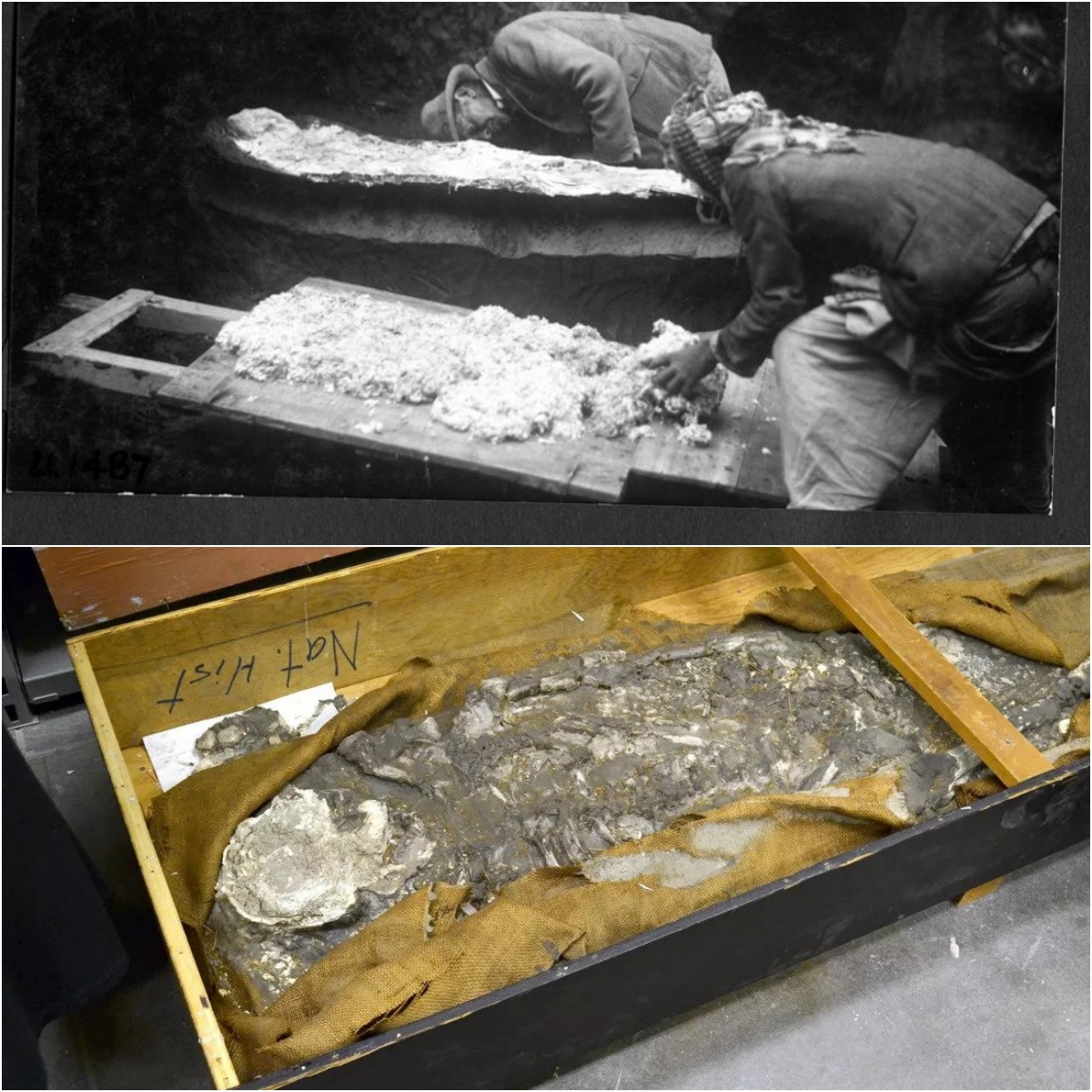
Archaeologists, however, urge caution. While many ancient cultures recorded major flood events — particularly in Mesopotamia — there is no scientific evidence tying a specific skeleton to a singular global deluge identical to scriptural accounts.
Regional flooding was common in early river civilizations, especially near the Tigris and Euphrates. Such discoveries deepen our understanding of prehistoric climate events but do not confirm literal survival of a worldwide biblical flood.
🏔️ Peru’s Underground World
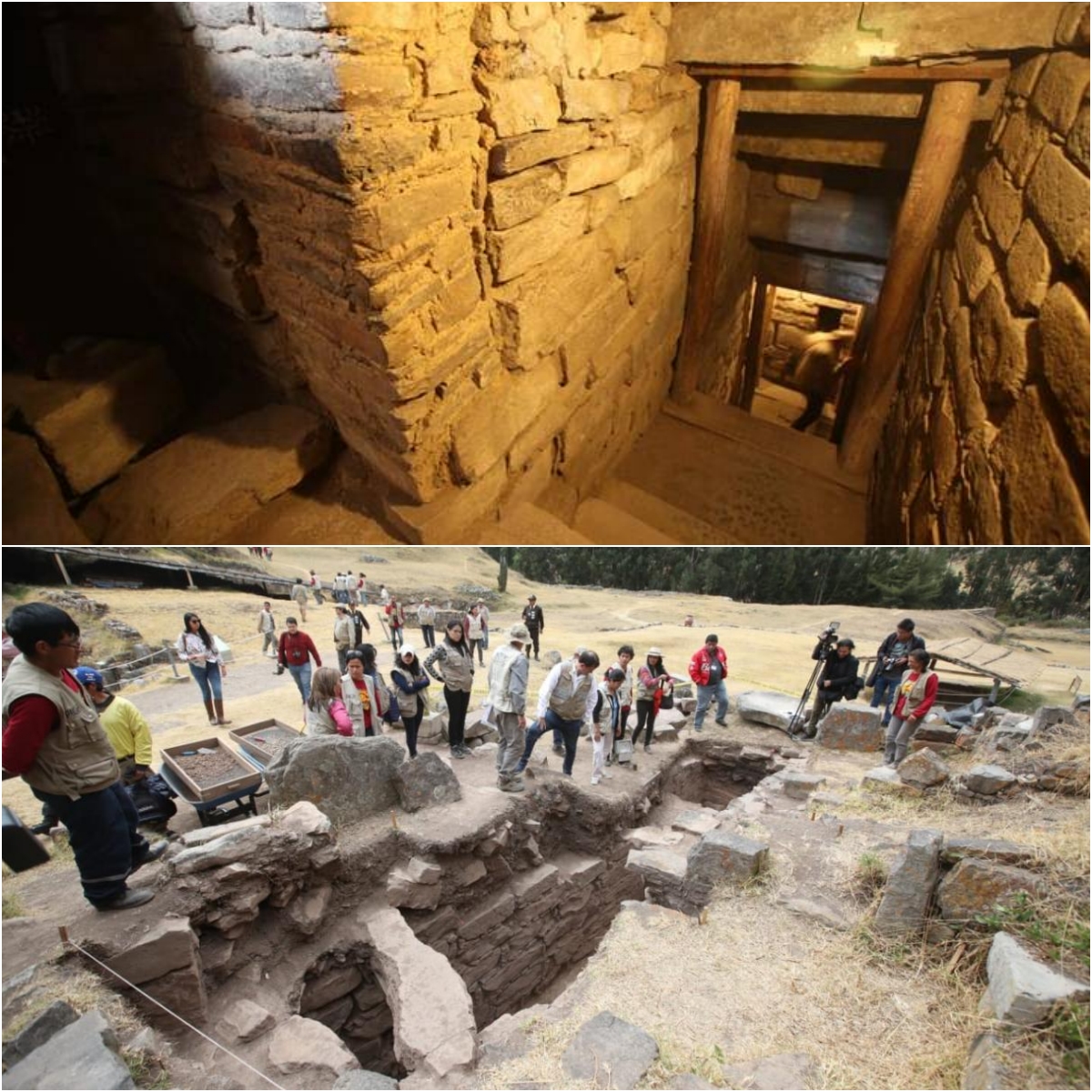
In Peru, archaeologists have uncovered extensive subterranean chambers linked to pre-Columbian civilizations.
While dramatic headlines describe a “massive underground world,” experts clarify that many Andean societies constructed ritual tunnels, storage vaults, and ceremonial passageways beneath temples and settlements.
These discoveries expand knowledge of engineering sophistication in ancient Peru — home to civilizations long predating the Inca Empire.
🏛️ A Roman Sarcophagus Beneath a Modern Foundation
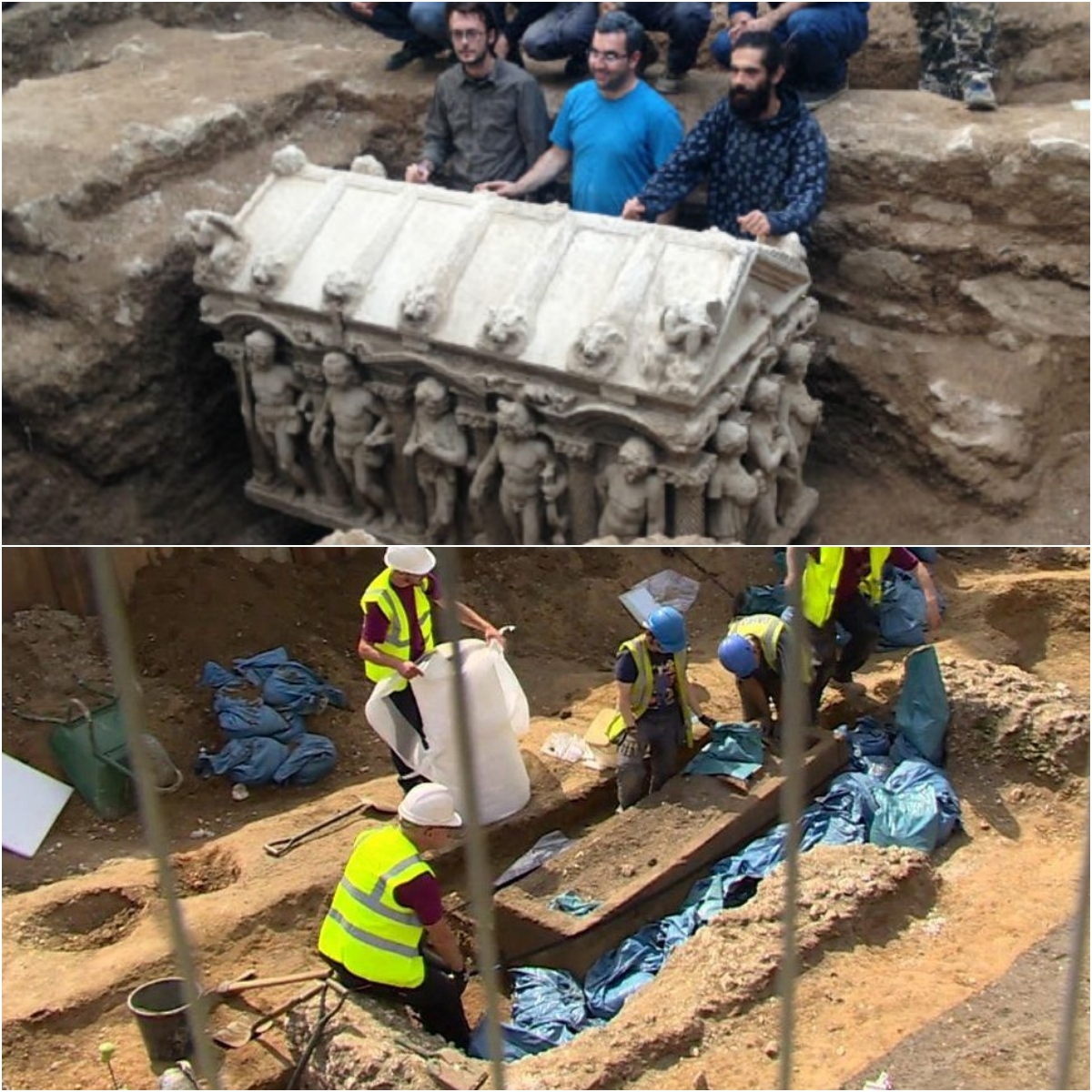
Construction workers in Europe recently made an unexpected discovery when a shovel struck stone — revealing an ancient Roman sarcophagus beneath a building site.
Such finds are not uncommon in regions once governed by the Roman Empire. As cities expanded over centuries, layers of history accumulated underground.
The sarcophagus, often sealed and remarkably preserved, offers invaluable insight into burial practices, art, and daily life nearly two millennia ago.
🐉 The 180-Million-Year-Old “Sea Dragon”
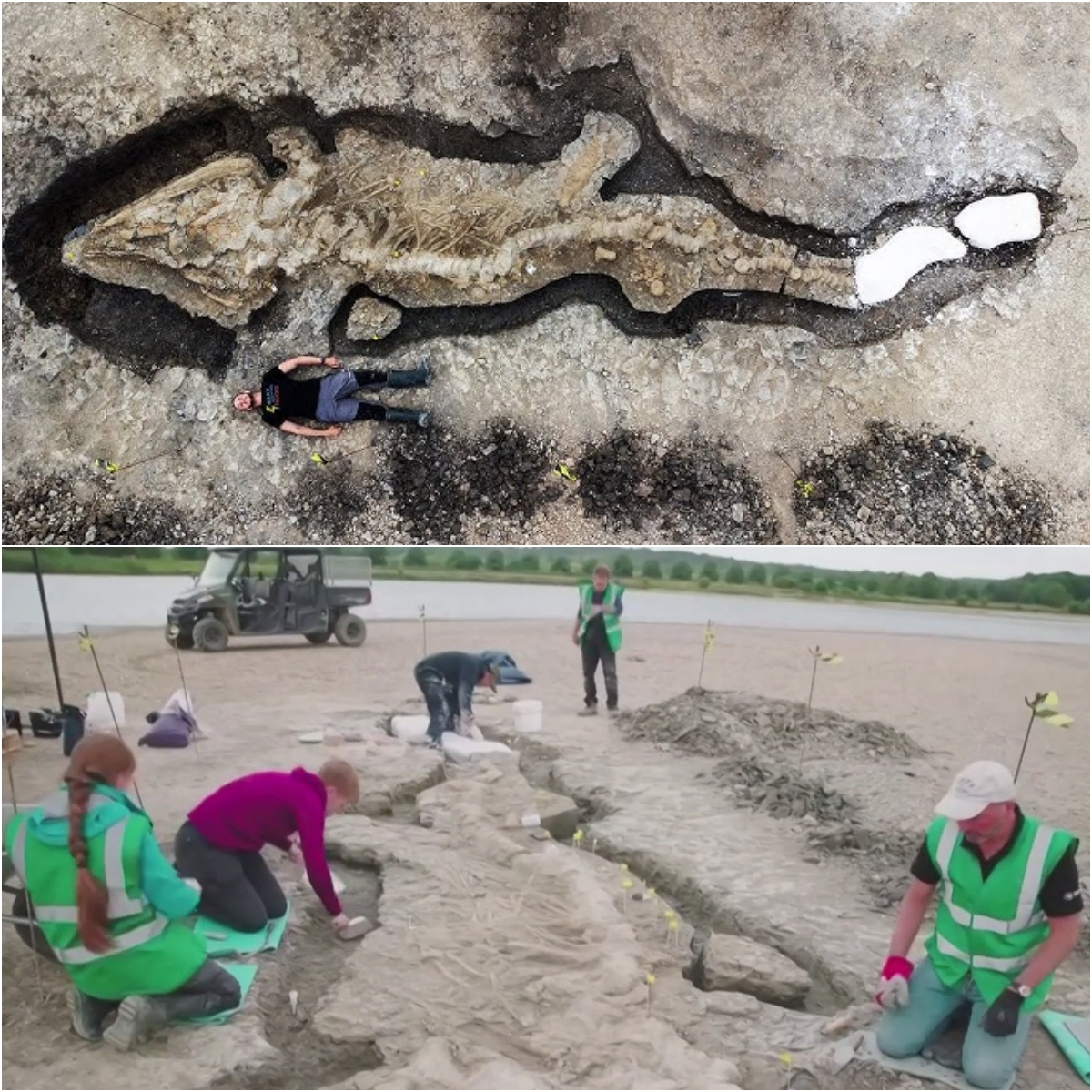
In the United Kingdom, paleontologists uncovered what many are calling an “incredibly rare” 180-million-year-old marine reptile fossil — popularly nicknamed a “sea dragon.”
The remains were identified as an ichthyosaur, a dolphin-shaped predator that ruled Jurassic seas. The discovery, made in the United Kingdom, stunned researchers due to the fossil’s size and preservation.
Far from mythical, these ancient reptiles are well-documented — but complete specimens of this scale remain rare and scientifically invaluable.
🕰️ Separating Awe From Exaggeration
In the digital age, remarkable discoveries often arrive wrapped in sensational language:
-
“World-changing”
-
“History overturned”
-
“Proof of ancient secrets”
Yet the truth is often more powerful than the headline. Whale fossils prove evolution. Underground chambers show engineering brilliance. Roman coffins remind us how civilizations layer upon one another. Marine reptiles confirm a world long vanished beneath ancient seas.
History is not being overturned — it is being refined.
And with every excavation, Earth reveals another chapter written in stone, bone, and sand. ✨