Iran Strikes 27 US Bases Across 9 Countries in One Night. How Did Nobody See This Coming?
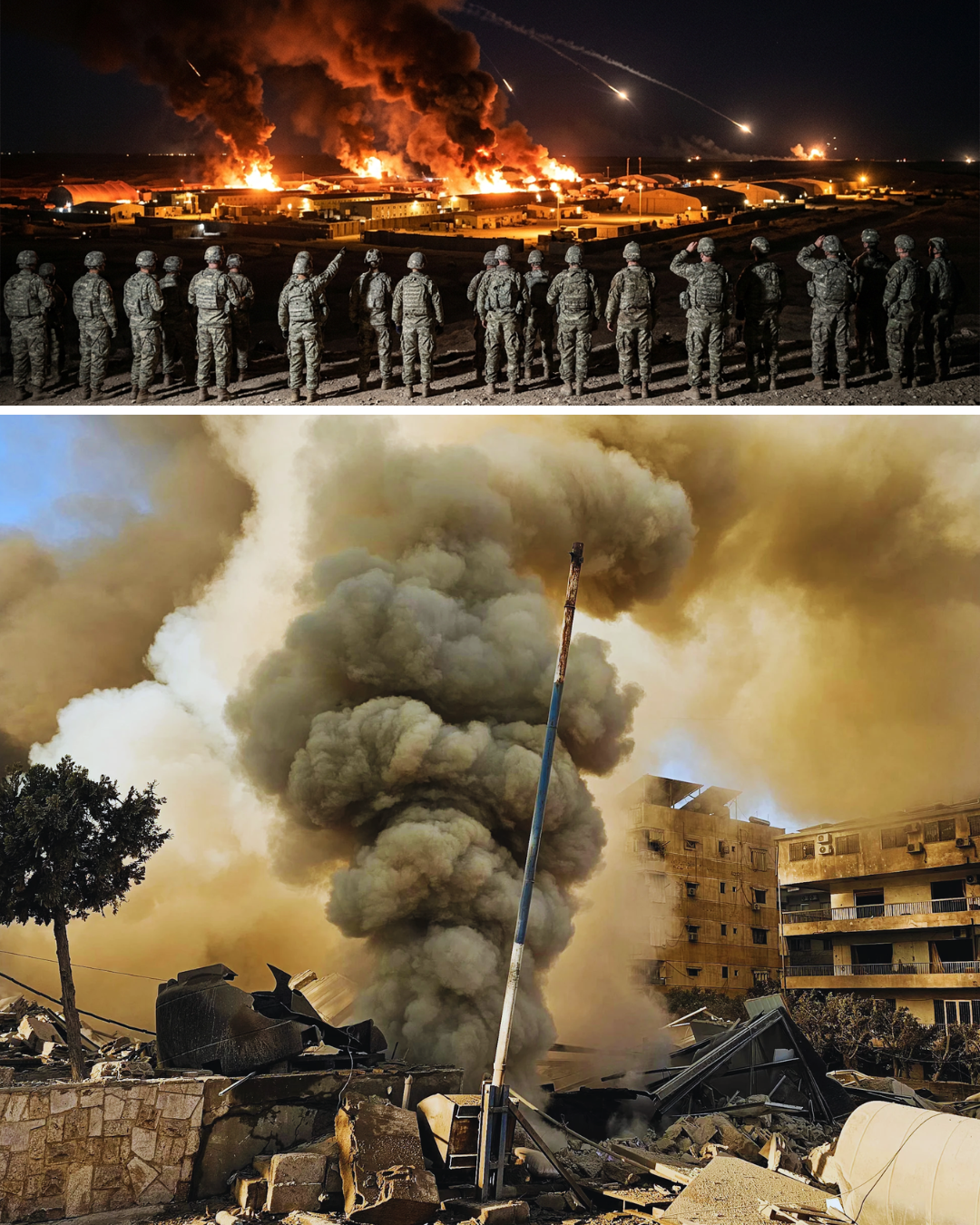
In military circles, it is being described as the most coordinated retaliatory strike since the Cold War. In a single overnight operation, Iran’s Islamic Revolutionary Guard Corps launched ballistic missiles and drones at 27 American military installations spread across nine countries: Bahrain, Iraq, Jordan, Kuwait, Oman, Qatar, Saudi Arabia, the United Arab Emirates — and even a UK base on the island of Cyprus.
The sheer geographic scope of Iran’s retaliation stunned Pentagon officials who had publicly projected confidence in American missile defense systems. While most of the projectiles were intercepted, a significant number were not. US bases in Iraq and Bahrain sustained structural damage. An Iranian drone struck a runway at a British military installation in Cyprus — the first direct attack on UK soil-adjacent military infrastructure in a generation.
Six American service members have been confirmed dead. Five more are in critical condition. Inside the Pentagon, the mood is reportedly one of deep unease. Multiple senior officials have privately admitted that Iran’s military capabilities were significantly underestimated — a staggering admission given the years of intelligence resources dedicated to monitoring Tehran.
The political fallout is equally significant. Several Gulf states that quietly approved the US operation are now scrambling to distance themselves publicly, as Iranian missiles landed uncomfortably close to their own civilian infrastructure. Qatar — home to the largest US air base in the Middle East — reported shooting down Iranian projectiles heading toward its international airport.
On the ground across the Arab world, the mood has shifted dramatically. Populations that had grown weary of Iranian influence are now watching American bases burn and drawing their own conclusions about who controls the skies above them.
The uncomfortable truth emerging from the rubble: Iran may have lost the opening round on its own soil, but in the regional war of perception, it is landing punches that nobody expected.