Iran’s Missiles Almost Hit a Passenger Airport. Dozens of Planes Were in the Air. The Story They’re Burying
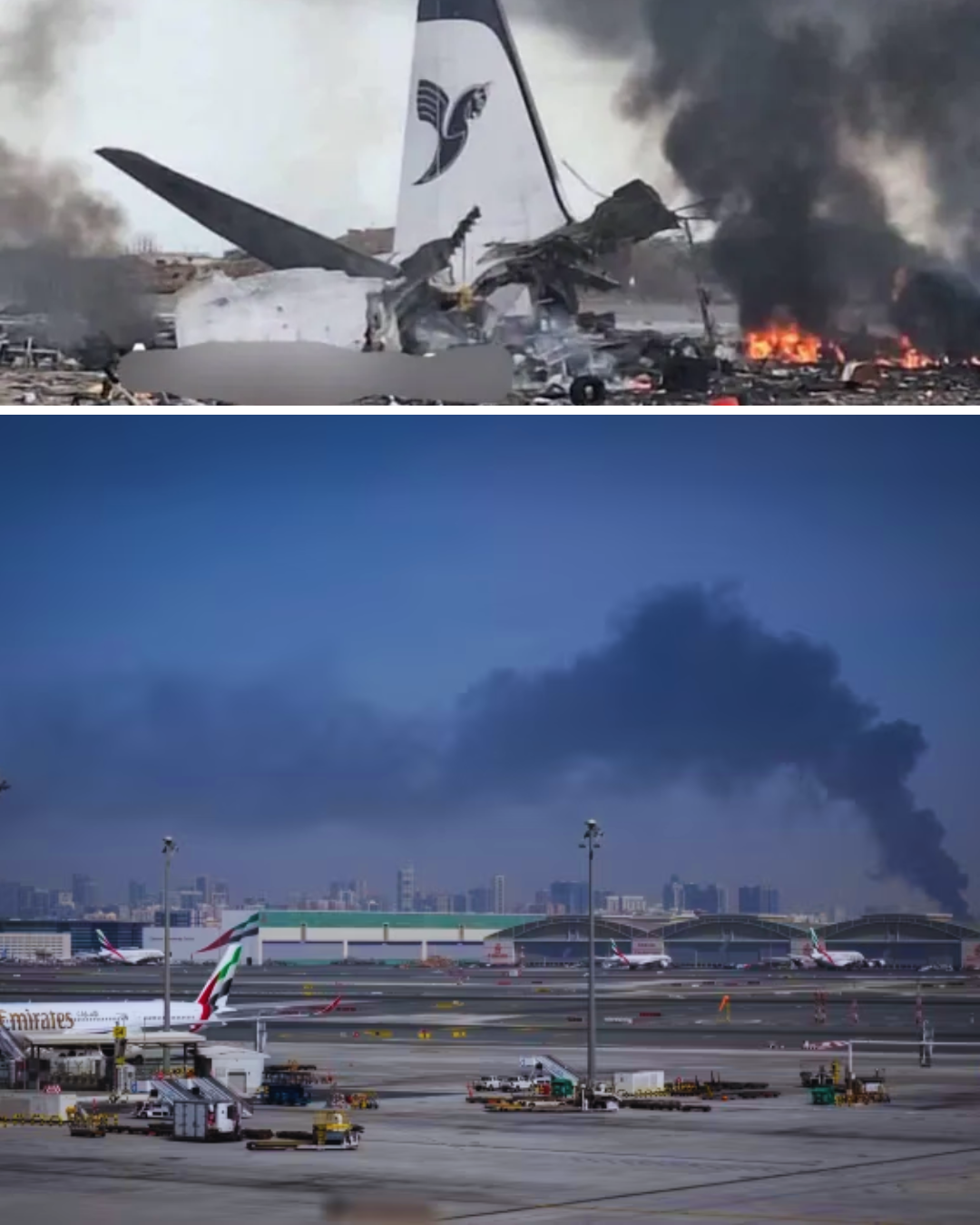
At approximately 11:40 PM local time on March 2, Qatar’s air defense systems intercepted Iranian ballistic missiles heading directly toward Hamad International Airport in Doha — one of the busiest aviation hubs in the world, handling over 50 million passengers annually and home to Qatar Airways’ global operations.
At the time of the intercept, according to aviation tracking data reviewed by independent analysts, at least 23 commercial aircraft were within the airspace corridor affected by the incoming projectiles. Qatar’s armed forces confirmed the intercept publicly. What they did not confirm — and what has been almost entirely absent from mainstream Western news coverage — is how close those missiles came to changing everything.
Aviation security experts who reviewed the trajectory data say the missiles were on a flight path that, had they not been intercepted, could have struck the airport’s main terminal or, far more catastrophically, a fuel depot adjacent to the runway.
Qatar Airways issued a brief statement acknowledging “temporary airspace disruptions” and diverted several flights. The airline has not disclosed which specific flights were at risk, citing ongoing security concerns. Passenger manifests from the affected hours have not been made public.
This is not an abstract scenario. The world has seen what happens when civilian aviation intersects with active military conflict — from the downing of MH17 over Ukraine in 2014 to Iran’s own accidental shootdown of Ukraine International Airlines Flight 752 in 2020, killing 176 people.
Aviation authorities from 14 countries have since issued emergency NOTAMs — Notices to Airmen — restricting or rerouting commercial flights across large sections of Middle Eastern airspace. The economic cost of rerouted flights alone is estimated at hundreds of millions of dollars per week.
But the story of 23 planes and a near-miss at Doha Airport? That remains almost invisible in the news cycle. The question is: why?