Iran’s Female Fighters Are on the Front Line. And They’re Telling Their Own Story
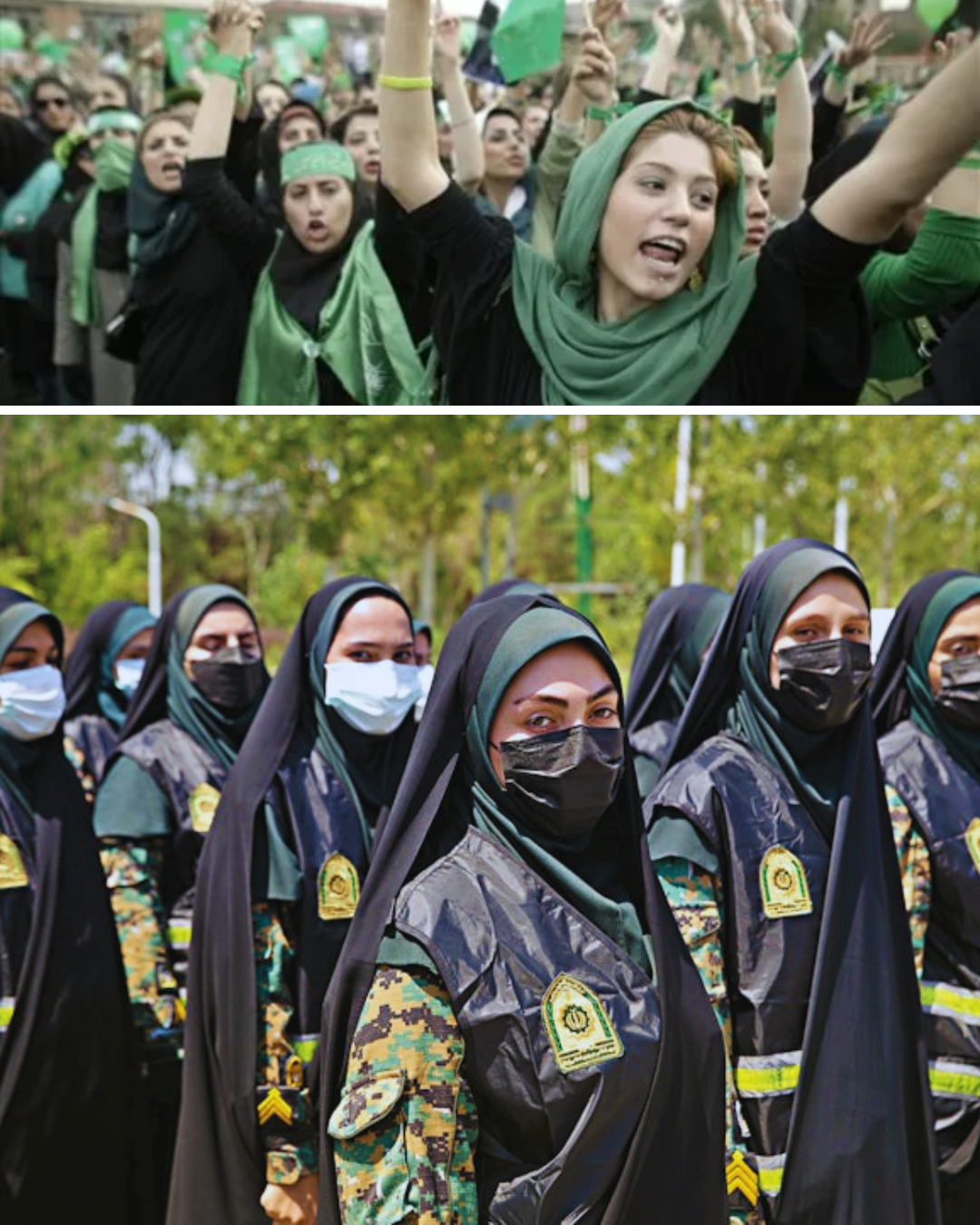
In the official imagery of this war, Iran is represented by male IRGC commanders, mullahs, and missile launches. But filtering through encrypted Telegram channels, Instagram stories posted before accounts are suspended, and WhatsApp broadcasts shared among diaspora communities, a different and electrifying picture has been emerging.
Dozens of women — members of Iran’s Basij paramilitary force and civilian volunteers — have been posting videos and testimony from within the conflict zones. Some are in military fatigues. Others are in civilian clothes. All of them are refusing to be invisible.
“They think we are afraid. We are not afraid,” one woman, her face partially obscured, says in a widely shared video that has accumulated over 4 million views across platforms. “We have been fighting for years — against our own government’s oppression, and now against bombs falling from the sky. We will fight both.”
The emergence of these voices has created a genuinely complex narrative problem for media outlets on all sides. Iranian state media cannot easily promote women warriors without reinforcing the image of exactly the kind of female agency the regime has spent decades suppressing. Western media, framing the conflict as a liberation narrative, cannot easily account for Iranian women who are choosing to defend their country rather than celebrate its bombardment.
Human rights organizations that have spent years documenting the abuse of Iranian women under the Islamic Republic are now navigating an extraordinarily delicate position: how to continue advocating for women’s rights in Iran while acknowledging that some of those same women are picking up arms in defense of their homeland.
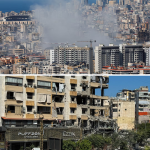
The geopolitics of empathy, it turns out, are as complicated as the geopolitics of war. And in the rubble of Tehran, Iranian women are writing a story that nobody had a template for.