140,000-Year-Old Fossil Reshapes Understanding of Human Evolution
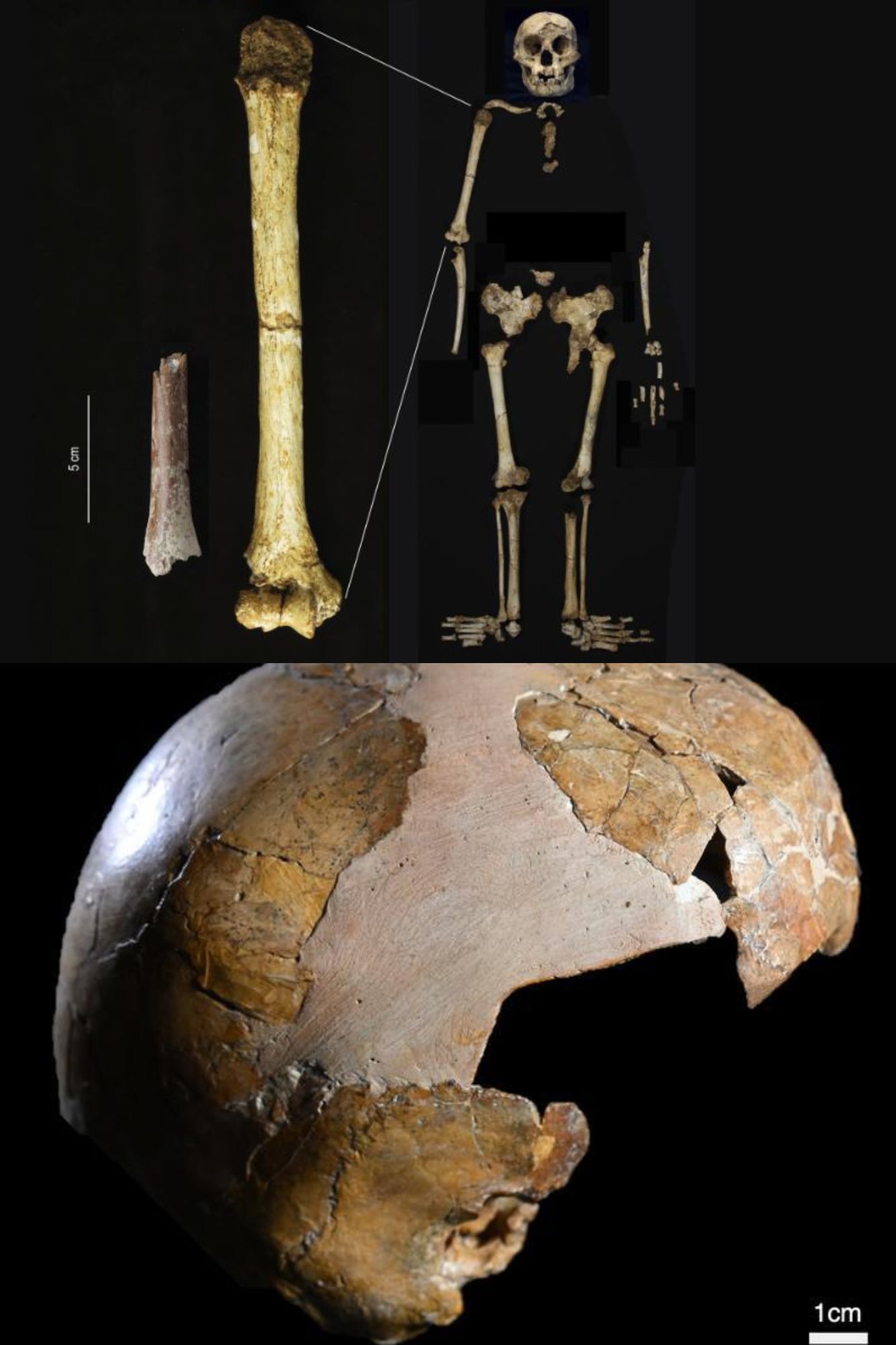
140,000-Year-Old Fossil Reshapes Understanding of Human Evolution
Scientists have uncovered a 140,000-year-old fossil that could significantly change current theories about human evolution. The remains display a unique mix of ancient and modern human traits, suggesting that multiple human lineages may have coexisted and interacted more closely than previously believed.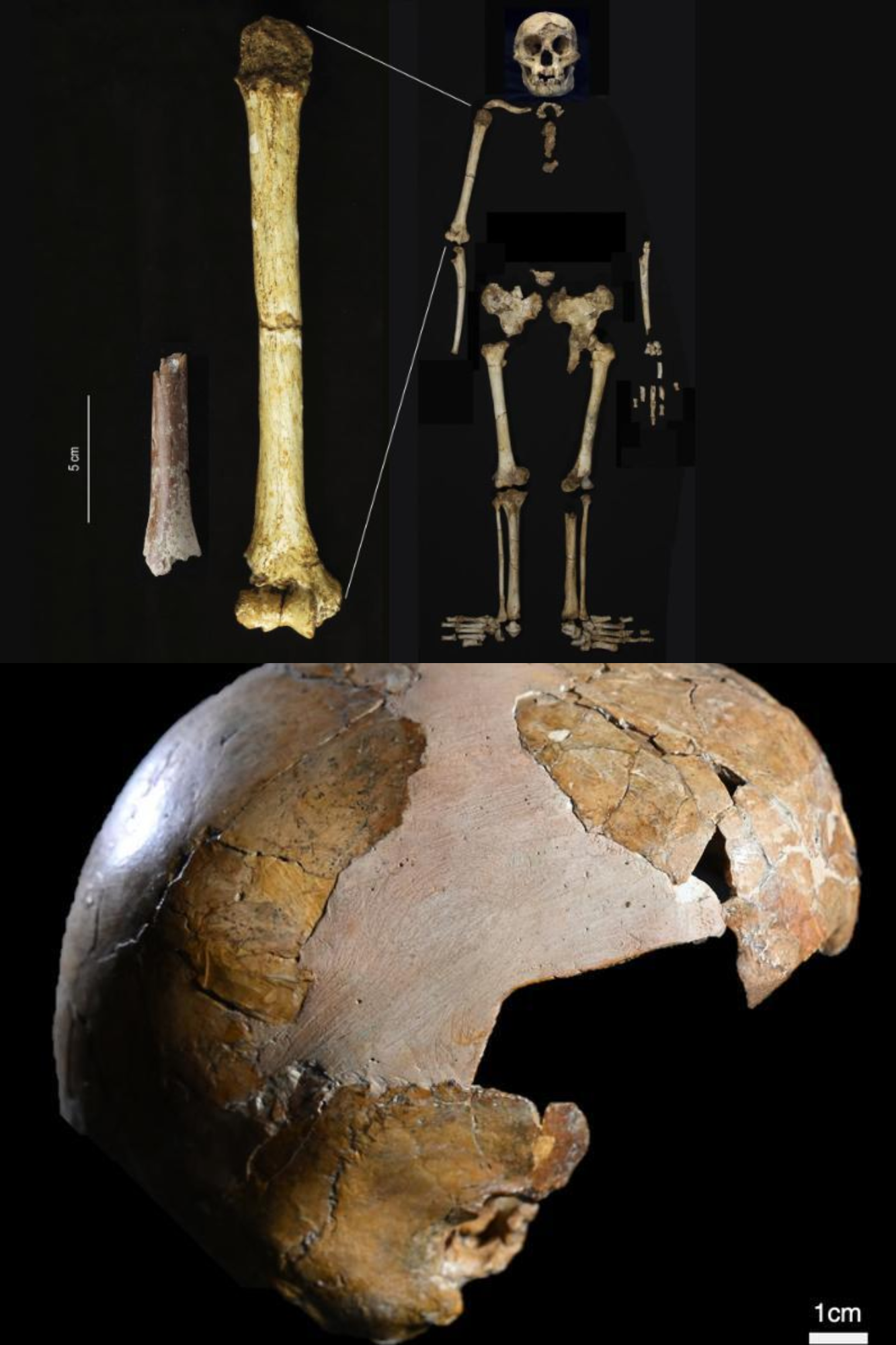
Researchers say the discovery challenges the traditional linear model of evolution, supporting the idea that human development was far more complex, involving migration, interbreeding, and regional diversity across early populations.
The finding provides new insight into how modern humans emerged — and may rewrite parts of the evolutionary timeline long accepted by scientists.