US and Israel Launch Massive Offensive Against Iran; Iranian Navy “Wiped Out” in Persian Gulf
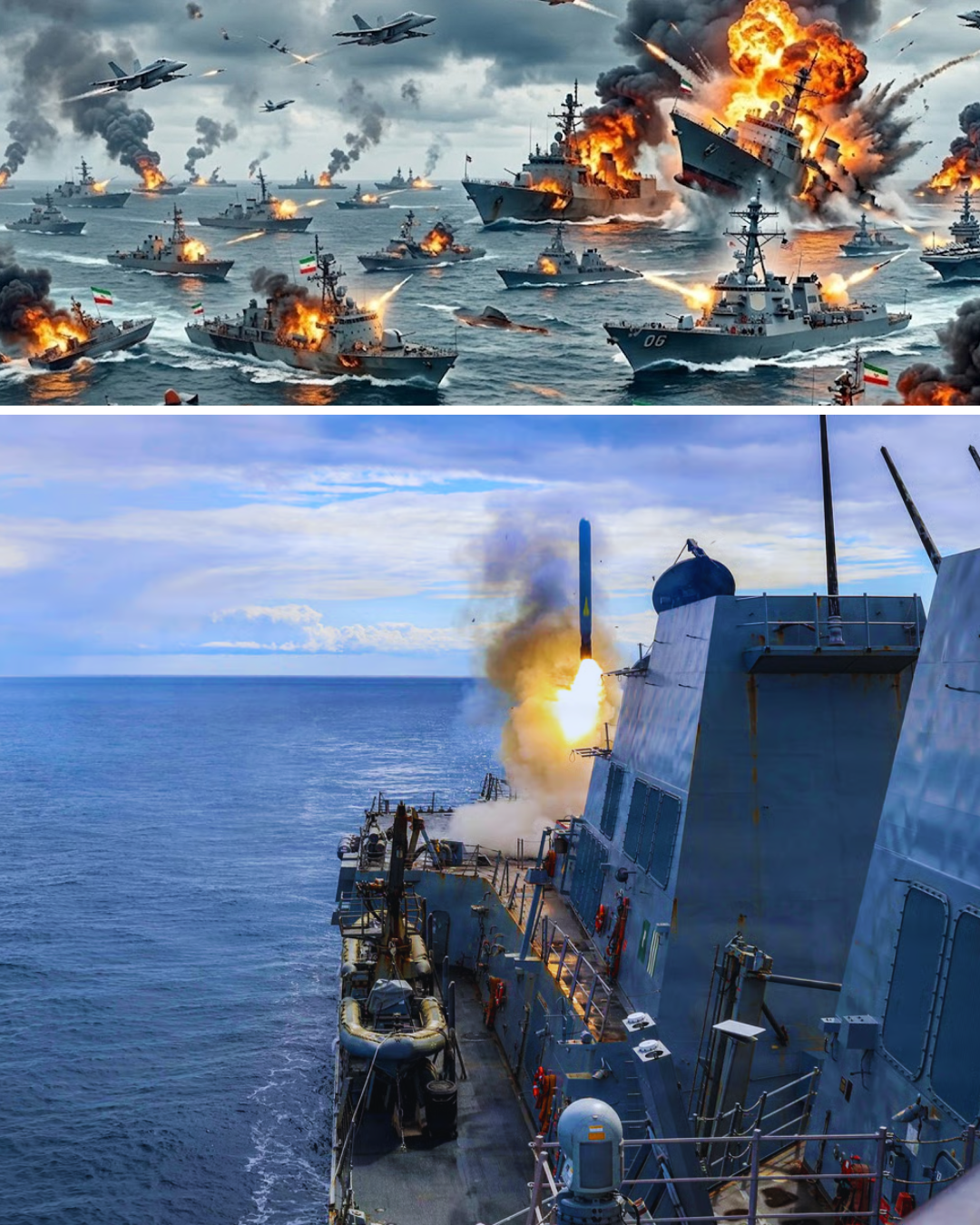
WASHINGTON/TEHRAN – The Middle East has entered a period of unprecedented volatility as the United States and Israel launched a joint full-scale military offensive against Iran, codenamed “Operation Epic Fury” and “Operation Lion’s Roar,” respectively. In a series of high-intensity strikes, U.S. Central Command (CENTCOM) confirmed the destruction of a significant portion of Iran’s naval capabilities, signaling a major shift in the regional power balance.
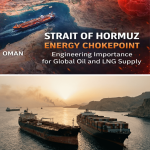
Admiral Brad Cooper, Commander of U.S. CENTCOM, announced that the American military has mobilized tens of thousands of troops for this campaign. According to Cooper, the U.S. has successfully neutralized 17 Iranian vessels since the operation began on February 28. “Simply put, we are focused on shooting down everything that can shoot at us,” Cooper stated in a message shared on social media. He highlighted that the offensive has targeted and sunk Iran’s most active submarine, leaving a gaping hole in its hull. As of now, the U.S. claims there are no operational Iranian vessels remaining in the Persian Gulf, the Strait of Hormuz, or the Gulf of Oman.
The scale of the mobilization is staggering. Over 50,000 U.S. soldiers and more than 200 combat aircraft, including B-2 and B-1 stealth bombers, are currently engaged in 24/7 operations. These precision strikes have reportedly faced little resistance, systematically dismantling Iranian military infrastructure. President Donald Trump has asserted that the campaign will continue uninterrupted for as long as necessary to achieve “peace across the Middle East and the world.”
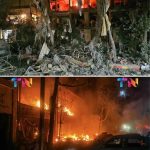
In response to the onslaught, Tehran launched a massive retaliatory strike, firing over 500 ballistic missiles and deploying more than 2,000 drones across the region. Unlike previous escalations, these strikes have spilled over into neighboring Gulf nations, targeting areas where U.S. forces are stationed. However, the collateral damage has been severe. Luxury hotels, shopping malls, and high-rise residential buildings in cities like Dubai, Manama, and Doha have been struck.
In Dubai, debris from intercepted missiles lit up the sky over popular tourist destinations, causing fires at the Fairmont Palm Resort. Jebel Ali Port reported smoke rising from its facilities, and several skyscrapers in the Palm Jumeirah area were affected. Similarly, in Bahrain’s capital, Manama, the Crowne Plaza Hotel sustained significant damage. Governments in the UAE and Qatar have responded by shifting schools to online learning and urging private sector employees to work remotely as air defense systems struggle to cope with the sheer volume of incoming threats.
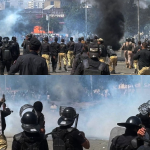
The internal situation in Iran is reportedly in chaos. Following reports that Supreme Leader Ayatollah Ali Khamenei was killed in a joint U.S.-Israeli airstrike in Tehran, mass protests and marches broke out across the country. Thousands gathered at Tehran University before marching toward Enqelab Square, waving national flags and portraits of the leader. The Iranian government has declared 40 days of national mourning and a week-long nationwide shutdown.
While the Iranian Revolutionary Guard Corps (IRGC) has vowed a “crushing response,” the U.S. assessment suggests that Tehran’s offensive capabilities are rapidly diminishing. Reports also swirled regarding the fate of President Masoud Pezeshkian, though Iranian officials have officially denied rumors of his death, insisting he remains unharmed despite the strikes hitting close to government complexes.
As the conflict intensifies, Iran has closed its entire airspace to civilian traffic, and mobile phone services have been disrupted across the capital. In Israel, sirens continue to blare as citizens seek refuge in bomb shelters, anticipating further waves of Iranian missile attacks. This massive military intervention marks the largest concentration of U.S. firepower in the region in a generation, pushing the Middle East toward an uncertain and potentially transformative future.