“Too Late for Talks”: Trump Shuts Door on Iran Negotiations Amid Sinking of Persian Gulf Fleet
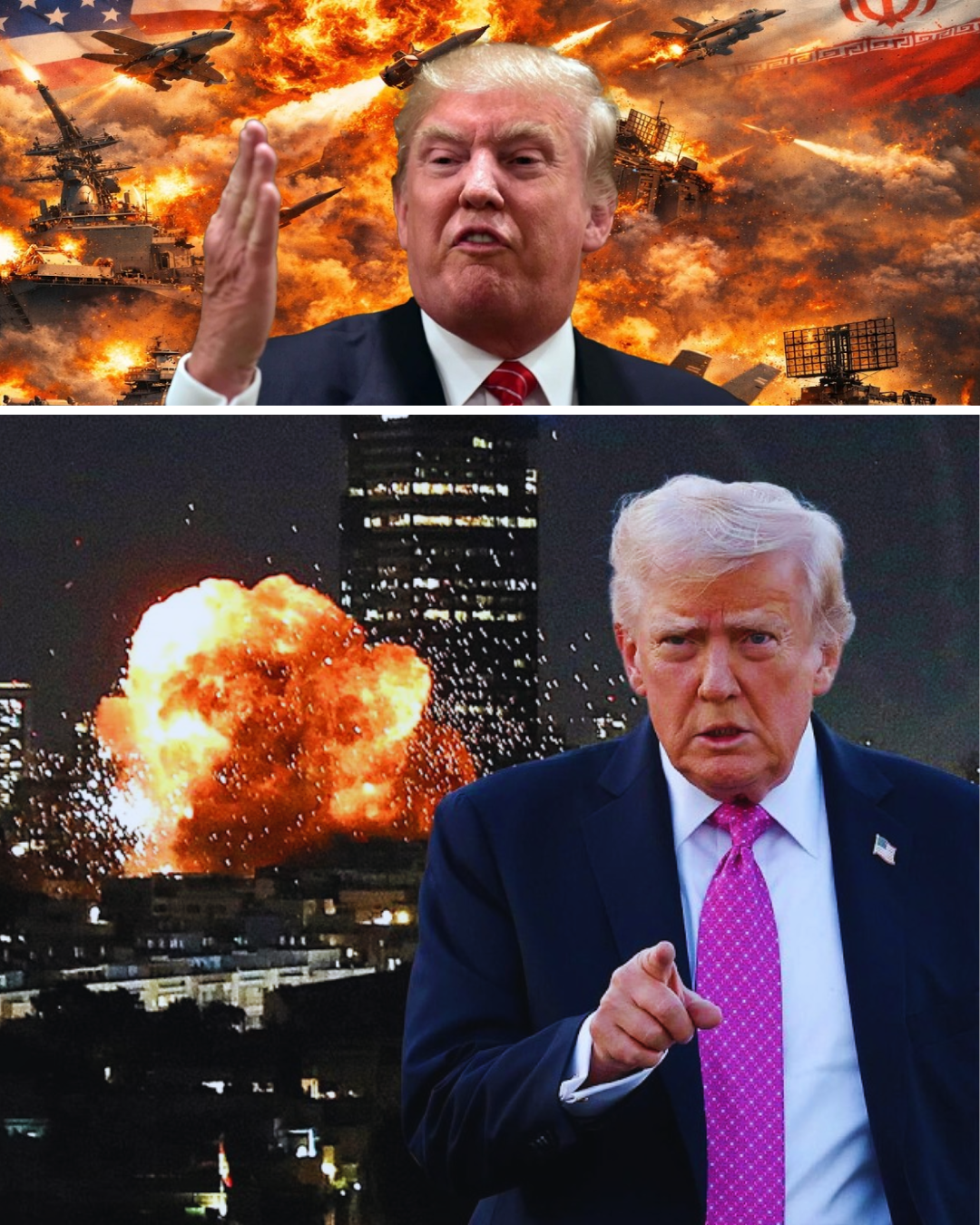
WASHINGTON D.C. — In a series of defiant public statements and high-stakes diplomatic maneuvers, U.S. President Donald Trump has declared that the window for diplomatic engagement with Tehran has closed, asserting that the Iranian military leadership and its strategic assets have been effectively dismantled.
Taking to his social media platform, Truth Social, the President responded to reports of potential back-channel requests for dialogue from Iranian officials with a blunt dismissal. “Their air defense, navy, and leadership are gone. They want to negotiate. I say it’s too late,” Trump wrote. This hardline stance marks a significant pivot from his earlier comments, where he suggested he might consider talks even while the joint U.S.-Israeli bombing campaign continued.
A Navy Decimated
The President’s claims of military dominance were bolstered by a briefing from U.S. Central Command (CENTCOM). In a recent operational update, CENTCOM confirmed that all 11 Iranian naval vessels previously active in the Gulf of Oman have been destroyed. “Two days ago, the Iranian regime had 11 ships in the Gulf of Oman. Today, that number is zero,” the statement read, emphasizing a long-standing U.S. commitment to protecting international freedom of navigation from decades of Iranian “harassment.”
The maritime escalation reached a peak following reports that a Marshall Islands-flagged tanker, the MKD VYYOM, was struck by an Iranian unmanned surface vessel (USV) near the Strait of Hormuz. The resulting engine room explosion and fire claimed the life of a crew member, marking a rare and lethal success for Tehran’s domestic drone program before its fleet was neutralized.
“Israel Didn’t Pull Us In”
During a joint press conference at the White House with German Chancellor Frederic M, President Trump addressed speculation that Israel had pressured Washington into the conflict. “Israel is not the one who pulled us into this; perhaps it was the U.S. that forced them to act,” Trump remarked. He defended the preemptive nature of the strikes, arguing that intelligence indicated Iran was preparing its own offensive. “If we didn’t strike first, Iran would have.”
The President also expressed surprise at Iran’s retaliatory strategy, which targeted neighboring Middle Eastern nations. He noted that many potential successors to the late Supreme Leader Ayatollah Ali Khamenei—who was reportedly killed in the initial waves of the campaign—have also been neutralized. “The people we wanted are gone, and another group of leaders is also gone. I guess there will be a third group of candidates soon,” Trump commented, adding that the “worst-case scenario” for Iran would be a successor no better than the last.
Tensions with London
The conflict has also strained traditional alliances. President Trump voiced sharp frustration with British Prime Minister Keir Starmer, criticizing the U.K.’s initial hesitation to grant U.S. forces access to strategic bases like Diego Garcia for the opening strikes on February 28. While Starmer eventually reversed this stance after Iranian missiles targeted a British airbase in Cyprus, Trump called the shift “too late” and “unprecedented” in the history of the special relationship. “It seems he was more worried about legal procedures than decisive action,” Trump remarked.
The President further criticized the U.K. government’s agreement to hand over sovereignty of the Chagos Islands to Mauritius, a move intended to secure the long-term status of the Diego Garcia base. Trump labeled the deal a “misguided awakening,” arguing that the U.K. should have retained full ownership.
Global Aftershocks
As the military campaign enters its next phase, the U.S. administration maintains that the operation is running well ahead of schedule. While the initial plan estimated two to three weeks to dismantle the Iranian leadership, Trump claimed the core structure was “wiped out in a single day.”
Whether the ultimate goal is to incite an internal uprising among the Iranian people or to force a total surrender from the remaining bureaucracy remains unclear. However, the President concluded that the campaign is producing “shocking global results,” fundamentally altering the geopolitical landscape of the Middle East.