Trump Escalates Offensive: US Launches New Strikes on Tehran as Regional Tensions Peak
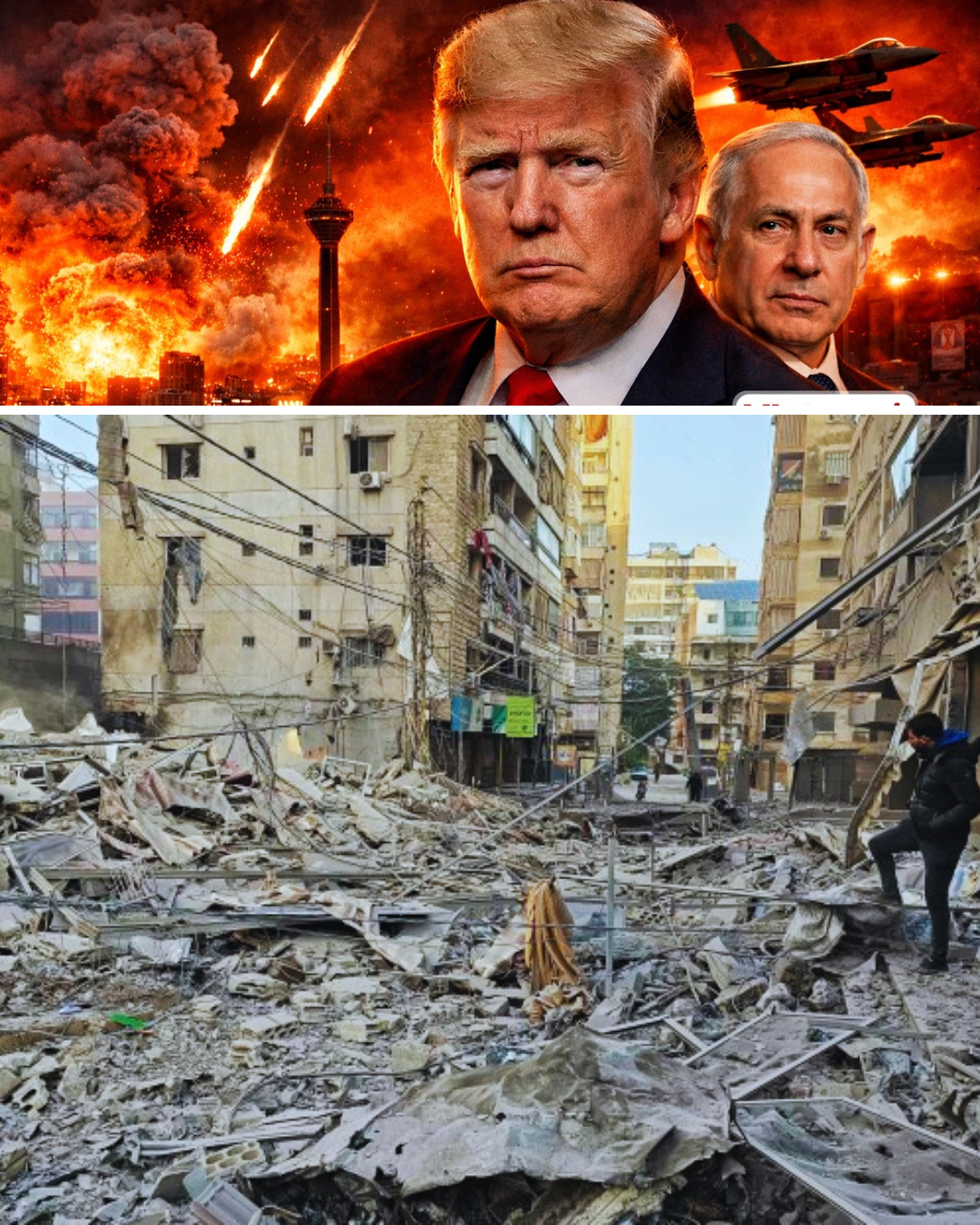
WASHINGTON, D.C. / TEHRAN — President Donald Trump has confirmed a new wave of high-precision airstrikes targeting the Iranian capital, signaling a relentless continuation of the U.S.-led military campaign against the Islamic Republic. Speaking to reporters on Tuesday, Trump characterized the latest strikes as “very powerful,” aimed at further dismantling the Iranian leadership infrastructure following an earlier operation that reportedly left 49 high-ranking officials dead.
The President asserted that while the United States maintains a robust and “virtually unlimited” stockpile of high-end weaponry, the Iranian regime is rapidly exhausting its critical military assets. “We have the supplies to sustain these operations for as long as necessary,” Trump stated, dismissing recent reports from major U.S. media outlets suggesting that American interceptor missile stocks, such as the SM-3 and Tomahawk, were under significant strain. Trump labeled such concerns a “disgrace,” insisting that U.S. readiness remains at an all-time high.
Satellite imagery released on March 3 corroborates the scale of the destruction, showing significant structural damage to the Iranian Ministry of Intelligence headquarters. Intelligence reports suggest that Israeli strikes alone have neutralized approximately 200 ballistic missile launchers since mid-2025—nearly half of Iran’s total operational capacity. According to independent defense analysis, Tehran has retaliated by firing at least 771 ballistic missiles at Israel and other regional targets since the conflict erupted, though the majority have been successfully intercepted by integrated Patriot and THAAD defense batteries.
In a joint press conference at the White House with German Chancellor Friedrich Merz, Trump clarified the nature of the escalation. He denied that Israel had “pulled” the U.S. into the conflict, instead characterizing the campaign as a necessary preemptive action. “According to our assessment, they were going to strike first,” Trump told the press. “If we didn’t hit them, they would have hit us.” The President also admitted to being surprised by Iran’s decision to broaden its retaliatory strikes to include neighboring Middle Eastern countries, a move he believes caught regional leaders off guard.
The leadership vacuum in Tehran appears to be deepening. Trump noted that most figures previously identified as potential successors to the late Supreme Leader Ayatollah Ali Khamenei have already been killed in subsequent strikes. “The people we wanted are dead, and now another group of leaders is also gone,” Trump commented. “I guess there will soon be a third group of candidates. The worst-case scenario for Iran is someone taking power who is no better than their predecessor.”
The ongoing conflict has also prompted a historical reappraisal of regional dynamics. Social media has seen a resurgence of a decades-old speech by the late Turkish Prime Minister Necmettin Erbakan, who predicted a scenario where the U.S. would deploy multiple aircraft carriers to the region to strike Tehran. Erbakan’s call for the Muslim world to prepare “superior weaponry” has resonated with many observers as the current conflict mirrors his geopolitical forecasts.
On the diplomatic front, tensions have flared between Washington and London. In a recent interview, Trump criticized British Prime Minister Keir Starmer for his initial hesitation to allow U.S. forces to utilize the strategic base at Diego Garcia for preemptive strikes. Although the U.K. eventually shifted its stance after its own assets in Cyprus were targeted by Iranian drones, Trump called the delay “unprecedented” and “too late,” suggesting that London was more concerned with legal procedures than decisive military action.
As the campaign, colloquially referred to as “Operation Epic Fury,” enters its next phase, the U.S. administration maintains that military progress is exceeding expectations. While initial estimates suggested a multi-week timeline to neutralize the Iranian leadership, Trump claimed the core objectives were achieved with startling speed. The future of the region remains precarious as Washington continues its policy of “direct hits” to force a total shift in Tehran’s strategic posture.