Europe’s Energy Dilemma Intensifies as Iran Conflict Sparks New Debate on Russian Gas Ban
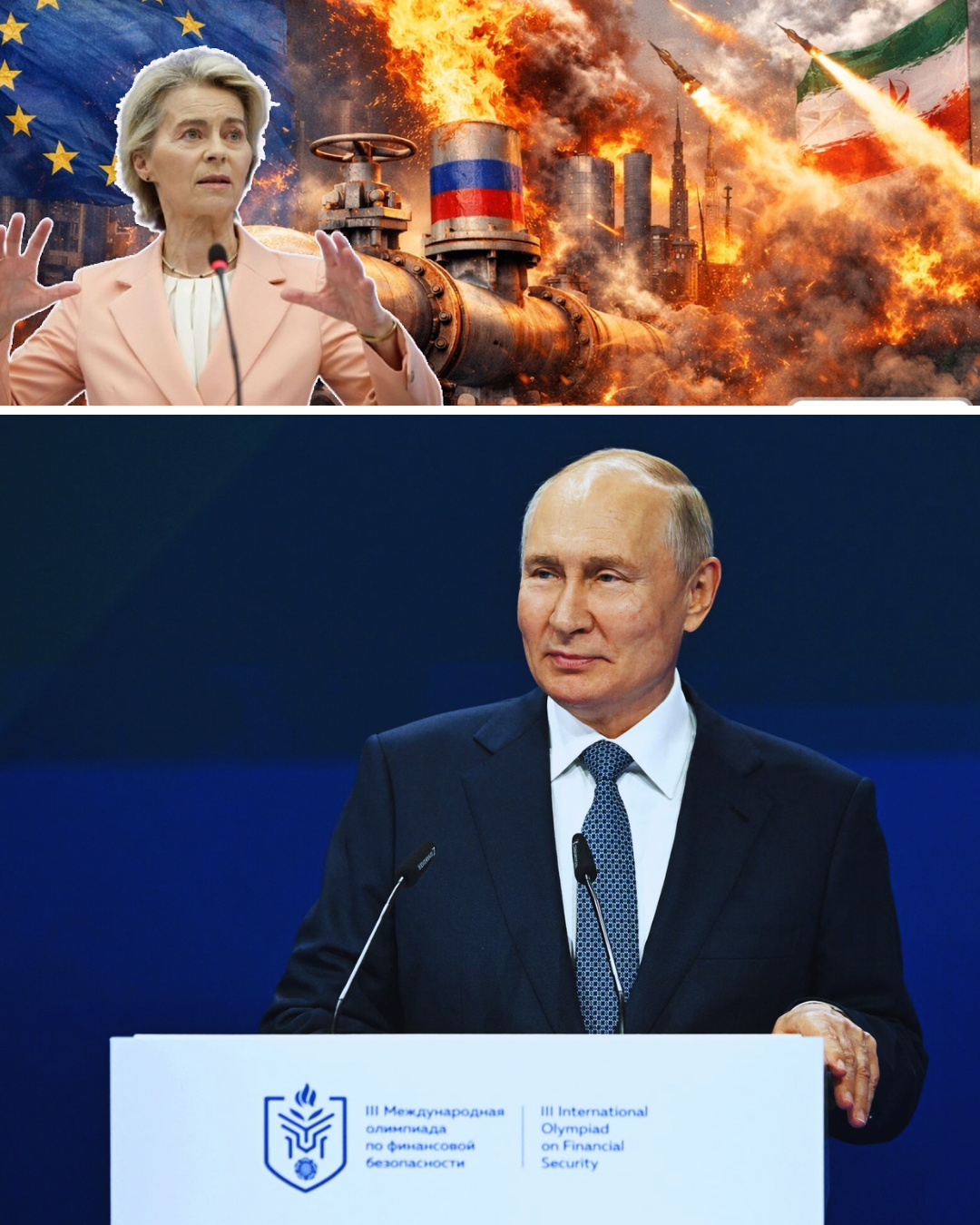
OSLO / WASHINGTON D.C. — The escalating military conflict in and around Iran is sending shockwaves through global energy markets, forcing European leaders to reconsider their long-term energy strategies. Norwegian Energy Minister Terje Aasland warned that the instability in the Persian Gulf is not only a threat to regional security but also a catalyst for renewed discussions within the European Union regarding a total ban on Russian natural gas imports.
Gas prices in Europe surged by a staggering 75% this week, reaching multi-year highs. The rally was primarily driven by fears of major supply disruptions from the Gulf region. Notably, Qatar—one of the world’s leading exporters of liquefied natural gas (LNG)—suspended production earlier this month as hostilities intensified. “The current geopolitical landscape has made the market situation significantly more complex,” Aasland remarked at a conference in Oslo. He suggested that while the EU aims to be independent of Russian energy by 2027, the crisis in Iran might accelerate the pressure to sever ties with Moscow even sooner.
U.S. Weighs Ground Options Amid “Operation Epic Fury”
While energy markets reel, the military situation on the ground continues to evolve. U.S. Secretary of Defense Pete Hegseth recently addressed the possibility of deploying ground troops to Iran. While the Secretary maintained that the U.S. is not currently operating on Iranian soil, he pointedly refused to rule out future maneuvers. “We will not fall into the trap of publicly stating what we will or will not do,” Hegseth said, echoing the Trump administration’s preference for strategic ambiguity.
Hegseth, a veteran of the Iraq war, emphasized that President Trump is determined to avoid the “endless wars” of the past. The administration’s stated goals remain focused on the systematic destruction of Iran’s missile production, its navy, and its security infrastructure to ensure the regime never attains nuclear weapons. However, military analysts caution that even a limited ground presence could draw the U.S. into a prolonged occupation, reminiscent of the 20-year involvement in Afghanistan.
The “Hormuz Wildcard” and Global Economic Risks
The most potent weapon in Tehran’s arsenal remains the potential closure of the Strait of Hormuz. As a gateway for approximately 20% of the world’s daily oil and gas supply, any blockage would be catastrophic for the global economy. Brent crude has already spiked 13%, surpassing $82 per barrel.
For the U.S. consumer, the impact is felt directly at the pump, with gasoline prices projected to climb well above $3.00 per gallon if supply lines remain constricted. This economic sensitivity is a major political concern for the Republican party as the midterm elections approach. President Trump has signaled a “Maximum Pressure” strategy, but the risk of an oil shock remains a significant variable that could alienate voters concerned with the rising cost of living.
Combat Losses and Tactical Shifts
The intensity of the conflict was underscored by reports of a U.S. F-15E Strike Eagle crashing in Kuwait. While the pilots successfully ejected and are reported safe, the loss—reportedly the first for the F-15 platform in a combat situation—highlights the high stakes of the ongoing air campaign. Meanwhile, air defense sirens have become a regular occurrence in regional capitals as both sides exchange drone and missile strikes.
As Europe grapples with its reliance on external energy sources and the U.S. balances its military objectives with domestic political risks, the conflict in Iran has fundamentally altered the geopolitical calculus. Whether through a total ban on Russian gas or a decisive shift in Gulf security, the coming months will likely define the energy and security landscape for the next decade.