Nuclear Crisis Looms: Hundreds of Russians Stranded at Iran’s Bushehr Plant Amid Escalating Conflict
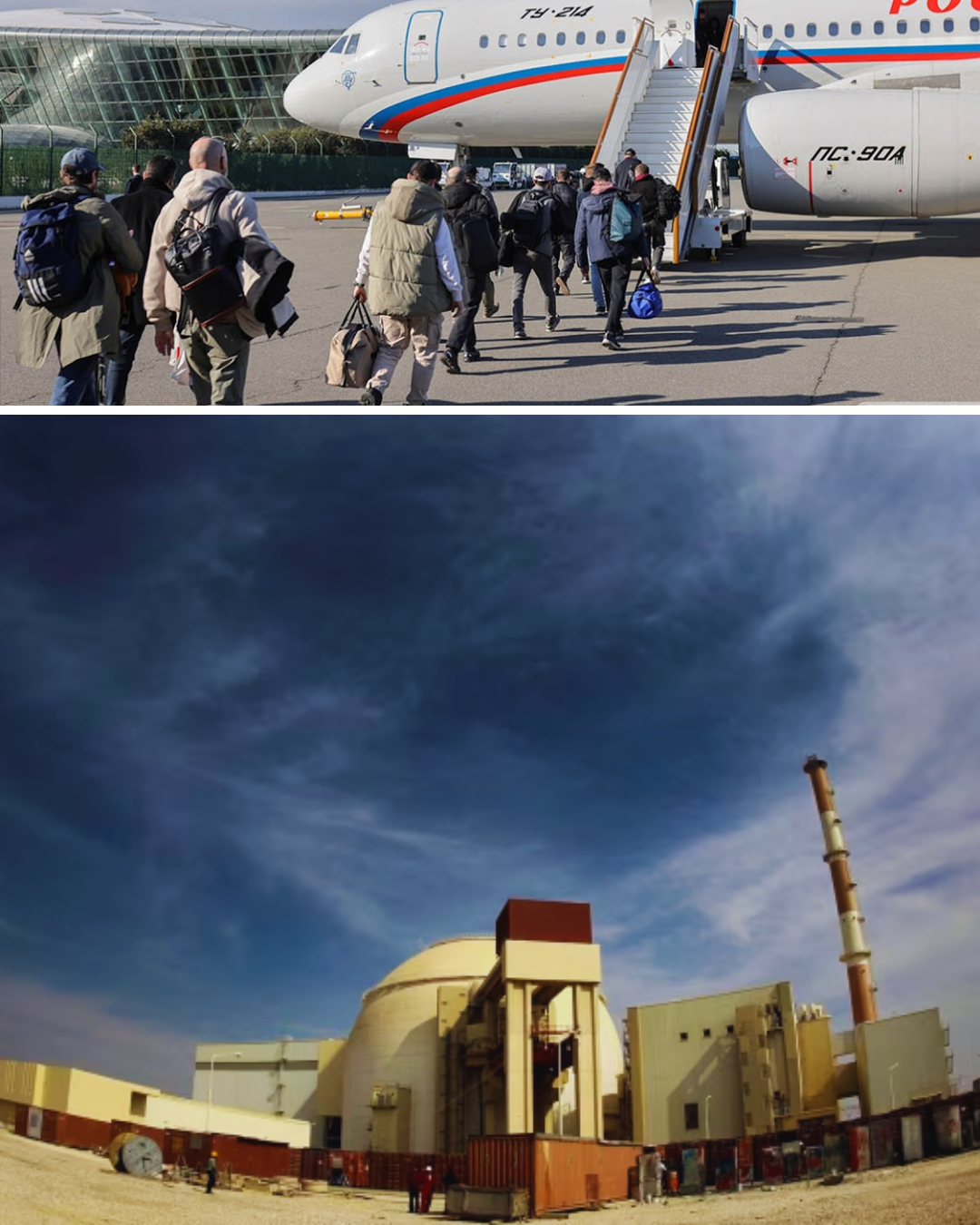
MOSCOW / TEHRAN – The international community is bracing for a potential regional catastrophe as Russia’s atomic energy agency, Rosatom, reports a complete breakdown in communications with Iranian nuclear officials. The crisis deepens as over 600 Russian citizens remain trapped at the Bushehr Nuclear Power Plant, currently operating at full capacity amidst a wave of intensive airstrikes.
Stranded in a Conflict Zone
Alexey Likhachev, Director General of Rosatom, revealed on Tuesday that 639 Russian nationals are currently located at the Bushehr site. While children have been successfully evacuated, hundreds of staff members and some of their spouses remain at the facility. Likhachev emphasized that the agency is preparing for an emergency evacuation of approximately 200 people as soon as a “lull in the airstrikes” permits.
“Buses are ready, and evacuation routes have been meticulously mapped,” Likhachev stated. He further noted that President Vladimir Putin has been briefed on the situation, as high-level political intervention will be necessary to ensure the safe passage of personnel through the active war zone.
Communication Blackout and Target Hits
Perhaps more alarming is the report that Rosatom has lost all contact with Iran’s nuclear leadership. “They are not answering phones or responding to emails,” Likhachev reported, adding that the actual status of the Iranian counterparts remains unknown.
Intelligence suggests that several key Iranian nuclear sites have already been compromised. Rosatom believes that the uranium enrichment facilities at Fordow and Natanz have been targeted, and a major nuclear complex in Tehran, which houses a research reactor, has reportedly been hit. The extent of the damage to these facilities is currently unconfirmed.
The Threat of Regional Catastrophe
The Bushehr plant poses a unique and terrifying risk. The facility currently contains 70 tons of fresh fuel and 210 tons of spent nuclear fuel. Likhachev warned that any direct hit on the reactor, which is operating at peak capacity, would trigger a “regional-scale disaster” regardless of political affiliation.
Russia has urged all warring parties—including the United States, Israel, and Gulf nations—to strictly avoid targeting nuclear infrastructure. President Putin is expected to reiterate this stance in ongoing diplomatic contacts to prevent a massive radiological release.
Broadening Conflict: U.S. Interests Targeted
As the nuclear situation teeters on the edge, Iranian retaliation has expanded to target U.S. diplomatic and intelligence assets across the region. Reports from the Washington Post indicate that two drones struck the U.S. Embassy complex in Riyadh, Saudi Arabia. While no injuries were reported, the attack reportedly damaged a CIA facility located on the top floor of the embassy, causing partial structural failure and smoke damage.
This attack is part of a broader Iranian campaign of retaliation that has seen U.S. military bases and diplomatic outposts in Kuwait, Qatar, and the UAE come under fire. In response, the U.S. has shuttered its embassies in Riyadh, Lebanon, and Kuwait, advising American citizens to avoid these areas entirely.
U.S. Response: Ambiguity and Deterrence
U.S. Secretary of Defense Pete Hegseth has addressed the possibility of a ground intervention in Iran, maintaining a policy of strategic ambiguity. “We will not fall into the trap of publicly stating what we will or will not do,” Hegseth said. He emphasized that any military action would aim to destroy Iran’s missile production and naval capabilities while ensuring the regime never attains nuclear weapons.
However, military analysts warn that the situation is increasingly volatile. The potential for a “new quagmire” in the Persian Gulf looms as Iran holds the strategic “oil card”—the ability to paralyze the Strait of Hormuz, which could send global energy prices skyrocketing and directly impact the U.S. economy.
As of now, the world remains in a state of high alert, watching as the shadows of a nuclear disaster and a wider regional war grow longer over the Middle East.