3.141 Trump Threatens to Cut Trade with Spain, Declares Iranian Leadership Has Been Wiped Out
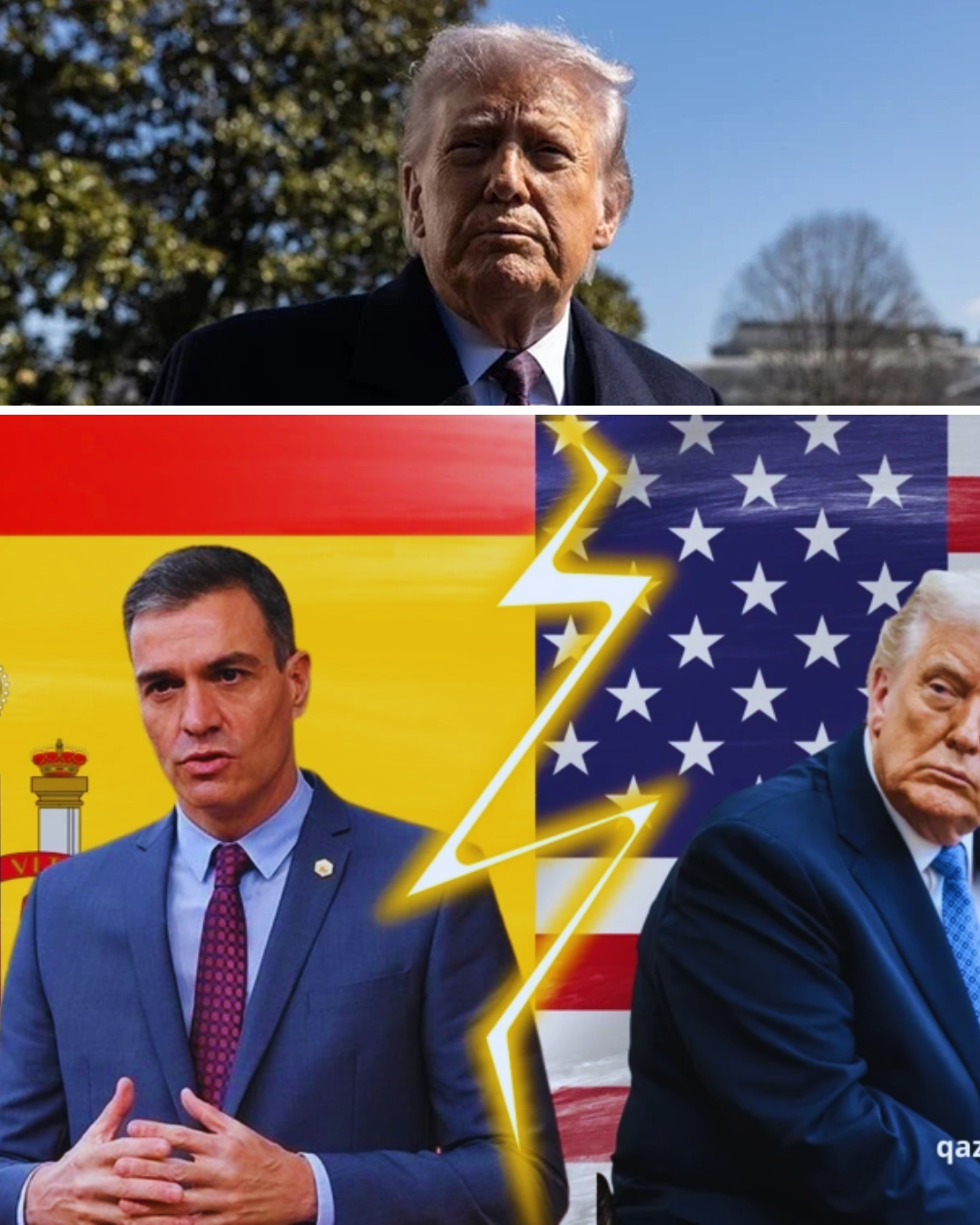
WASHINGTON D.C. — In a series of tough statements at the White House, U.S. President Donald Trump warned of cutting off all trade relations with Spain, while asserting that the military campaign in the Middle East had completely neutralized Iran’s leadership and combat capabilities. These developments mark a new escalation in the rift between the U.S. and its European allies over the military campaign in Iran.
Deep Rift with European Allies
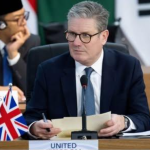
Diplomatic tensions erupted after Spanish Prime Minister Pedro Sanchez publicly criticized U.S. and Israeli airstrikes on Iran as “senseless and dangerous.” In response, the Spanish government banned the U.S. from using the strategic Rota and Moron bases for military operations.
However, President Trump has shown contempt for this ban. He declared, “We can use their bases if we want. No one has the right to tell us not to use them.” The American leader also threatened to impose a comprehensive trade embargo on Madrid, although he did not give a specific timeframe for this measure.
“It’s too late to negotiate.”
On the military front, President Trump asserted that the coordinated operation between the US and Israel had achieved key objectives. In a message posted on social media, Trump declared that Iran’s air defense, air force, and navy “no longer exist.”
Notably, he claimed that Iran’s new leadership had been “wiped out” in a short period of time. “They wanted to negotiate, but I said it was too late,” Trump wrote. This information comes amidst reports that Supreme Leader Ayatollah Ali Khamenei and many high-ranking officials were killed in attacks on central Tehran.
Severe Military Losses in Iran
The U.S. Central Command (CENTCOM) confirmed that all 11 Iranian warships in the Gulf of Oman were completely destroyed. Meanwhile, Iran also suffered heavy casualties, with at least 787 deaths reported by the Iranian Red Crescent.
Iran retaliated with hundreds of ballistic missiles and over 2,000 unmanned aerial vehicles (UAVs) targeting Israel and U.S. bases. However, U.S. Secretary of State Marco Rubio assessed that Tehran’s missile numbers were “sharply decreasing” and its counter-attack capabilities were severely weakened.
Global Context and Implications
The military operation, which began on February 28, has caused major shocks to global energy markets. Brent crude oil prices surged to $81.40 per barrel, their highest level since early 2025. To reassure the market, President Trump stated that the U.S. Navy was ready to escort oil tankers through the Strait of Hormuz to ensure the global flow of energy.
While Iran continues to advocate for diplomatic action and calls for international intervention, the U.S. and Israel appear determined to eliminate Tehran’s nuclear program and missile capabilities. The conflict not only causes a humanitarian catastrophe on the ground but also threatens to collapse the international order and have unpredictable economic consequences globally.