Zelensky’s Strategic Gambit: Ukraine Proposes UAV-for-Patriot Swap Amid Rising Middle East Tensions
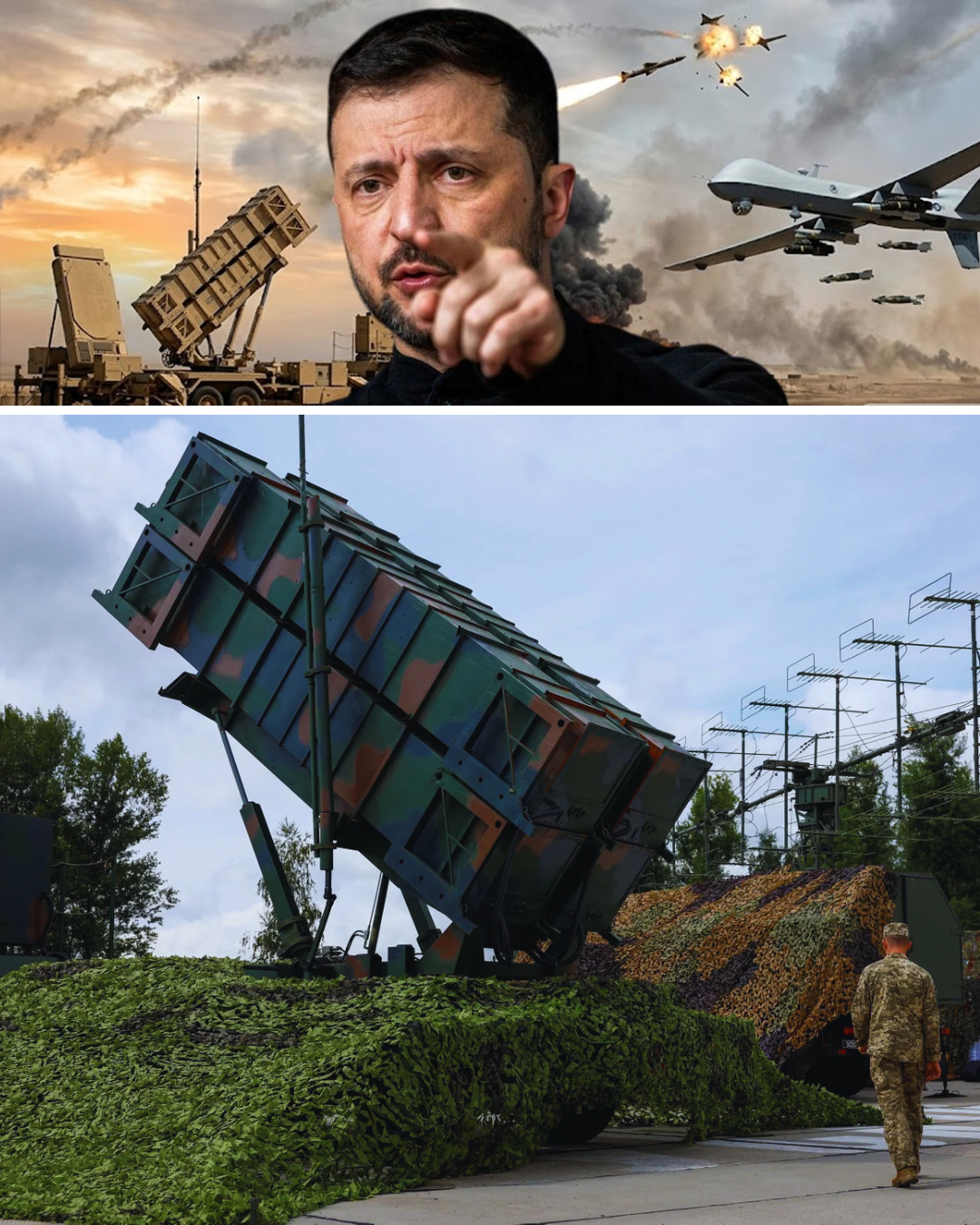
KYIV – In a move that highlights the rapidly shifting dynamics of global warfare, Ukrainian President Volodymyr Zelensky has proposed a unique military exchange to Western allies: providing Ukraine’s battle-proven interceptor drones in exchange for American-made Patriot PAC-3 air defense systems. The proposal comes as both Ukraine and Middle Eastern nations grapple with a common threat—the proliferation of Iranian-manufactured Shahed loitering munitions.
A “Fair Exchange” of Technology and Experience
During a press conference on March 3, President Zelensky framed the offer as a pragmatic solution to a synchronized security crisis. While Ukraine faces a critical shortage of Patriot interceptor missiles needed to counter Russian ballistic attacks, U.S. and allied forces in the Middle East are currently under heavy fire from Iranian drones following recent escalatory strikes in the region.
“The top priority for everyone is how to protect our airspace,” Zelensky stated. He noted that while the U.S. and its partners hold significant stockpiles of Patriot missiles, these expensive systems are not always the most efficient or sustainable defense against “swarms of hundreds of Shaheds.”
Zelensky argued that Ukraine is uniquely positioned as the only nation with both the manufacturing infrastructure and extensive combat experience in utilizing specialized interceptor drones designed to neutralize Iranian UAVs. “If they provide us with the missiles, we will provide them with the interceptor drones. This is a fair exchange,” the President emphasized.
The Strain on Global Air Defenses
The timing of Zelensky’s proposal is critical. Following coordinated U.S.-Israeli strikes on Iranian military facilities and the subsequent Iranian retaliation, the demand for high-end air defense systems like the Patriot has surged. Kyiv is increasingly concerned that a prolonged conflict in the Middle East could divert the production and supply of PAC-3 missiles away from the Ukrainian front.
Although Zelensky mentioned that he has not yet seen signs of a direct disruption in supply, the vulnerability is real. In early February, several Ukrainian air defense batteries reportedly ran out of ammunition during a peak in Russian aerial activity. Yuriy Ignat, spokesperson for the Ukrainian Air Force, warned that an increase in combat intensity across two theaters would inevitably strain the global logistics of air defense.
Global Repercussions and Protests
While the technical debate over defense systems continues, the geopolitical fallout from the U.S.-Iran confrontation is fueling widespread unrest. Protests have erupted in Pakistan, Iraq, India, Greece, and even within the United States. In Athens, over 1,300 protesters marched toward the U.S. and Israeli embassies, demanding the closure of military bases and an end to the strikes on Iran.
The human cost is also mounting. In Pakistan, health officials reported at least 22 deaths during protests supporting Iran. Meanwhile, in Iraq, security forces used tear gas to prevent crowds from storming the “Green Zone” in Baghdad, where the U.S. embassy is located. This regional instability underscores the urgency for effective defense strategies that can mitigate the chaos sown by low-cost drone technology.
Advanced Weaponry vs. Low-Cost Drones
The U.S. military has recently showcased its own diverse arsenal used in the Middle East, including the B-2 stealth bomber, Tomahawk cruise missiles, and F-35 fighters. Notably, the Pentagon has also begun deploying its own “suicide drones” inspired by Iranian designs, such as the “Lucas” UAV, which costs approximately $35,000 per unit.
This shift toward “affordable mass” in weaponry aligns with Zelensky’s argument: using a $1.3 million Patriot missile to down a $35,000 drone is economically unsustainable. Ukraine’s proposal seeks to leverage this reality, offering a cost-effective interceptor solution that could free up U.S. Patriot batteries for higher-tier threats while replenishing Ukraine’s own depleted defenses.
As of early March, neither the White House nor Tehran has officially commented on the Ukrainian proposal. However, as the Iranian Revolutionary Guard Corps (IRGC) continues to launch drone waves against U.S. bases in the region, the appeal of Ukraine’s “strange move” may grow for a Washington administration looking to balance multiple global security commitments.