“Too Late for Talks”: Trump Issues Defiant Ultimatum as U.S. Forces Decimate Iranian Assets
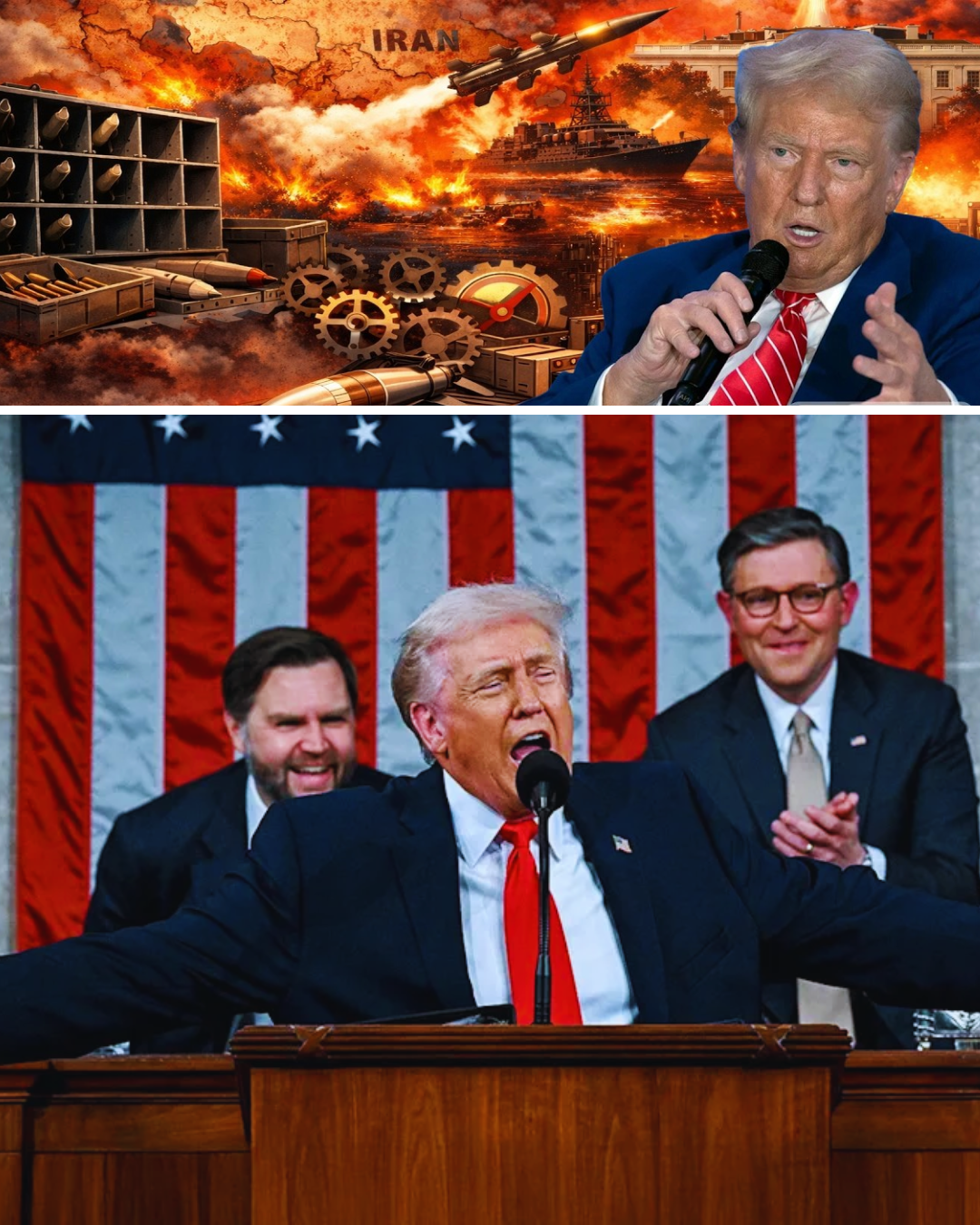
WASHINGTON, D.C. – In a series of bold proclamations and high-stakes diplomatic maneuvers, President Donald Trump has declared that the window for negotiations with Tehran has effectively closed. Following a weekend of intense joint military operations by the U.S. and Israel, the White House is now signaling a transition from active bombardment to a long-term strategy of regional containment and regime pressure.
The “Too Late” Ultimatum
The President took to his social media platform, Truth Social, to deliver a scathing assessment of Iran’s current military standing. “Their air defense, air force, navy, and leadership are gone,” Trump wrote, responding to recent reports from The Washington Post. Addressing rumors that Iranian officials were seeking a back-channel for dialogue, the President was unequivocal: “They want to negotiate. I say it’s too late.”
This hardline stance marks a significant shift from the previous week, during which Trump suggested he might consider talks if requested by Tehran, even as he urged the Iranian people to rise against their government. The shift appears to be a direct response to statements from Ali Larijani, head of Iran’s Supreme National Security Council, who had publicly rejected any dialogue with the current U.S. administration.
Naval Superiority and the “Zero Vessel” Policy
On the military front, U.S. Central Command (CENTCOM) reported a total sweep of Iranian naval presence in the Gulf of Oman. In a statement released Tuesday, CENTCOM officials claimed that all 11 Iranian vessels previously operating in the area have been destroyed. “Two days ago, the Iranian regime had 11 ships in the Gulf of Oman. Today, that number is zero,” the statement read, reaffirming the U.S. commitment to protecting freedom of navigation after decades of Iranian “harassment” of international shipping.
The intensity of the naval conflict was underscored by reports of a Marshall Islands-flagged tanker, the MT Desh Vayu, which was reportedly sunk by an Iranian unmanned surface vessel (USV) near the Strait of Hormuz. The incident, which resulted in the death of a crew member, highlights the dangerous evolution of drone warfare in the region.
Mobilizing the Defense Industrial Base
As the conflict consumes vast quantities of munitions, President Trump has scheduled an emergency meeting at the White House with leaders from top defense contractors, including Lockheed Martin and RTX (Raytheon). The goal is to drastically accelerate the production of long-range missiles and advanced munitions.
Sources indicate that the recent strikes on Iran have consumed long-range missiles at a rate far exceeding the U.S. supplies sent to Ukraine over several years. To address this, the Pentagon is drafting a $50 billion supplemental budget proposal. President Trump has also signed executive orders pressuring defense contractors to prioritize production efficiency over shareholder dividends, threatening to terminate contracts with underperforming firms.
A Joint Vision for Change
During a joint press conference with German Chancellor Friedrich Merz, President Trump denied allegations that Israel had “dragged” the U.S. into the conflict. “It might have been the U.S. that forced them to act,” Trump stated, claiming that intelligence indicated Iran was preparing a preemptive strike. “If we didn’t hit first, Iran would have.”
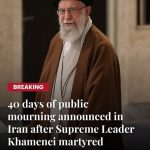
Both leaders expressed a unified front regarding the necessity of a leadership change in Tehran. Trump noted grimly that many potential successors to the late Supreme Leader Ayatollah Ali Khamenei have already been killed in recent strikes. “The people we wanted are dead… I guess there will soon be a third group of candidates,” the President commented.
Chancellor Merz echoed these sentiments, stating that Germany and the U.S. share the same position on the need for power change in Iran to restore “peace and freedom” to the Middle East. As the Iranian Red Crescent reports nearly 800 fatalities and regional tensions continue to simmer, the world remains on edge, watching to see if this “maximum pressure” campaign will achieve its stated goals or plunge the region into a deeper, more protracted war.