Middle East Tensions Surge: Iran’s Naval Fleet Mobilizes for High-Stakes Confrontation with U.S.-Israeli Coalition
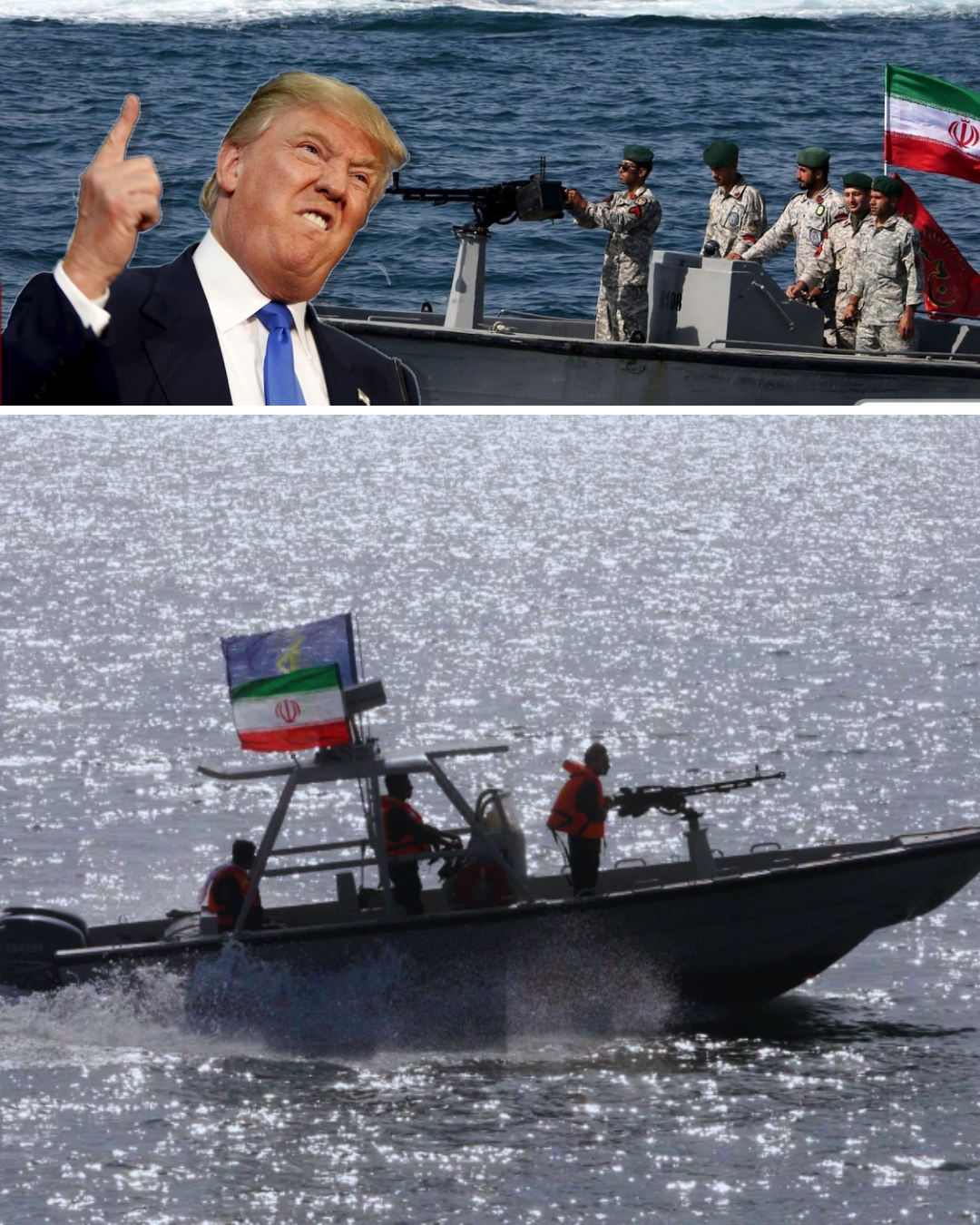
TEHRAN / WASHINGTON – The maritime corridors of the Middle East have reached a boiling point as the Iranian Navy prepares its “multi-layered” defense assets for a potential all-out conflict. Boasting a fleet of over 145 warships and hundreds of armed high-speed craft, Tehran is signaling its readiness to exert maximum pressure on the Strait of Hormuz, the world’s most critical energy transit point.
Operation Epic Fury and the Strategic Shift
The current escalation stems from “Operation Epic Fury,” a large-scale coordinated strike launched by U.S. and Israeli forces on February 28, 2026. Designed to neutralize Iran’s nuclear program and military leadership, the campaign has instead ignited a rapid series of retaliatory measures. According to reports, the conflict has already resulted in the death of Iran’s Supreme Leader Ali Khamenei and several high-ranking officials during strikes on central Tehran.
In response, the Iranian military has shifted its focus to the sea, threatening the passage of 20% of the world’s global oil supply. President Donald Trump claimed on March 1 that U.S. forces had already sunk nine significant Iranian vessels, though Tehran’s asymmetrical naval capabilities remain a potent threat.
Asymmetrical Warfare and “Swarm” Tactics
The Iranian naval strategy is distinct from Western counterparts, focusing on agility and overwhelming numbers rather than massive capital ships. The fleet is divided into two main branches: the Islamic Republic of Iran Navy (IRIN) and the Islamic Revolutionary Guard Corps Navy (IRGCN).
-
IRIN (Traditional Navy): Operating 25 diesel-electric submarines, including the Tariq class capable of launching cruise missiles and deploying sea mines. This force maintains a conventional presence with destroyers and frigates.
-
IRGCN (Asymmetrical Force): This branch specializes in “swarm tactics,” utilizing hundreds of fast-attack craft (FAC) and missile boats. Some of these vessels can reach speeds of 200 km/h and are equipped with anti-ship missiles. By deploying dozens of small, highly mobile boats simultaneously, Iran aims to saturate and overwhelm the sophisticated defense systems of U.S. carrier strike groups.
Diplomatic Fallout and Western Alliances
The conflict is causing significant friction among Western allies. President Trump recently expressed frustration with British Prime Minister Keir Starmer, claiming the U.K. was “too slow” to grant permission for U.S. forces to use strategic bases like Diego Garcia or military airports in Cyprus. Starmer reportedly hesitated due to legal concerns regarding “preemptive strikes,” only shifting his stance after Iranian missiles targeted a British base on Cyprus.
In a joint press conference with German Chancellor Friedrich Merz, President Trump defended the necessity of the campaign. “If we didn’t hit first, Iran would have,” Trump asserted, while Chancellor Merz echoed the need for “power change” in Tehran to bring “peace and freedom” back to the region.
A Volatile Future
As Operation Epic Fury enters its next phase, the U.S. administration claims the mission is “ahead of schedule.” While Washington initially estimated it would take weeks to dismantle the Iranian leadership, the President claims the task was largely achieved in a single day.
However, the “Hormuz Card” remains Iran’s most dangerous strategic lever. With the global economy already reeling from disrupted oil shipments and insurance premiums for maritime transit skyrocketing, the risk of a total blockade hangs over the region. Whether the U.S. can successfully incite internal regime change or if the conflict will spiral into a protracted naval war remains the defining question for global security in 2026.