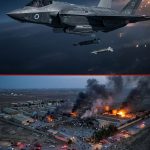
Operation Epic Fury: U.S. Forces Reportedly Strike Over 1,250 Targets in 48 Hours as Global Leaders Watch
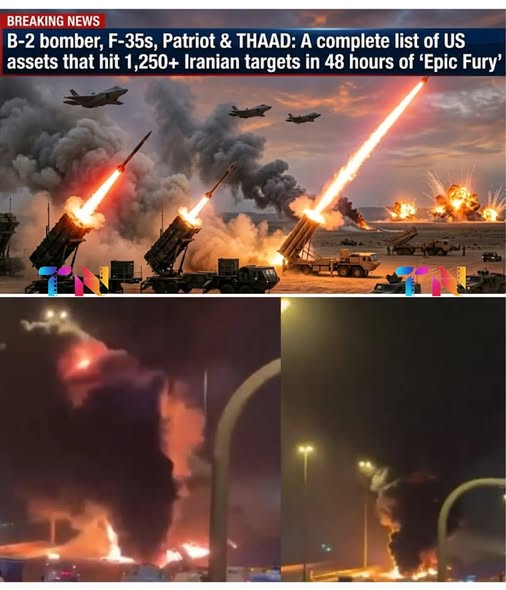
In a broad and intense 48-hour military operation dubbed “Operation Epic Fury,” United States forces reportedly engaged more than 1,250 targets in Iran using a combination of aerial and missile systems. According to preliminary statements from U.S. defense officials, assets involved included B-2 stealth bombers, F-35 fighter aircraft, and integrated air defense systems such as Patriot and THAAD to counter incoming threats. The operation was described as a defensive response intended to protect U.S. personnel, allies in the region, and critical infrastructure amid escalating hostilities.
Officials framed the campaign as deliberate and precision-focused, underscoring efforts to mitigate civilian harm while addressing security threats. However, independent verification of target assessments and casualty figures remains ongoing, and authorities continue to clarify the operational criteria used in mission planning. Iranian state sources have condemned the strikes, asserting that the actions represent an unjustified escalation with serious consequences for regional stability.
Global Reaction and Diplomatic Urgency
World leaders reacted quickly to the unfolding operation, with many urging restraint and immediate diplomacy. The United Nations called for emergency consultations, emphasizing the importance of protecting civilians and upholding international humanitarian law. Several nations issued statements advocating for ceasefires and negotiations as the most viable path to reduce tensions and prevent further loss of life. Diplomatic envoys are reportedly engaging in back-channel communications aimed at de-escalation and establishing humanitarian corridors to support affected populations.
Humanitarian and Community Responses
Humanitarian organizations are mobilizing to deliver critical aid in areas impacted by the strikes and related disruptions. Efforts are prioritizing medical care, emergency supplies, and protections for internally displaced civilians. Community groups across the Middle East, Europe, and North America have organized vigils, fundraisers, and awareness initiatives to promote peace and solidarity with affected families. Medical professionals and NGOs are pressing for expanded access to provide care where infrastructure has been strained.
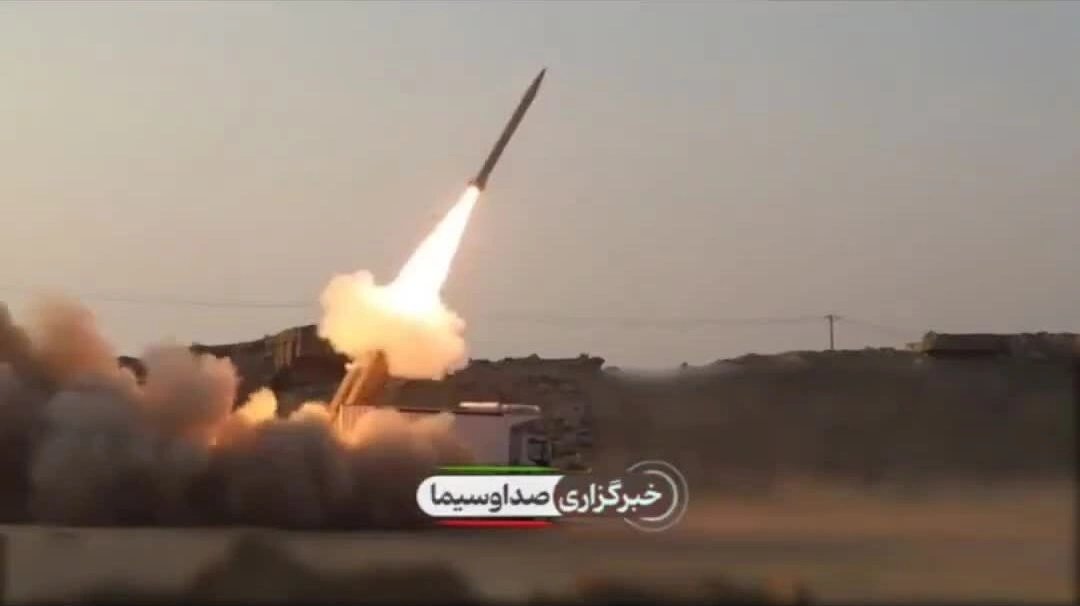
Analysts on the Broader Picture
Security experts note that modern conflict environments are complex, often involving rapid technological integration, layered defense systems, and interconnected geopolitical interests. While some officials argue that robust deterrence is necessary to counter destabilizing actions, analysts stress that sustained diplomatic engagement remains essential to long-term security. Many believe that parallel peace talks, confidence-building measures, and third-party mediation could help reduce immediate risks and build frameworks for durable agreements.
As developments continue, authorities and international observers emphasize the importance of verified reporting, humanitarian protections, and measured responses to avoid misinformation and undue escalation. This moment has drawn global attention to the shared responsibility of nations to balance security imperatives with efforts toward lasting peace and the protection of civilian lives.