Hormuz Paralysis: U.S. Intelligence Warns of 6,000 Iranian Mines Amid Escalating Regional Conflict
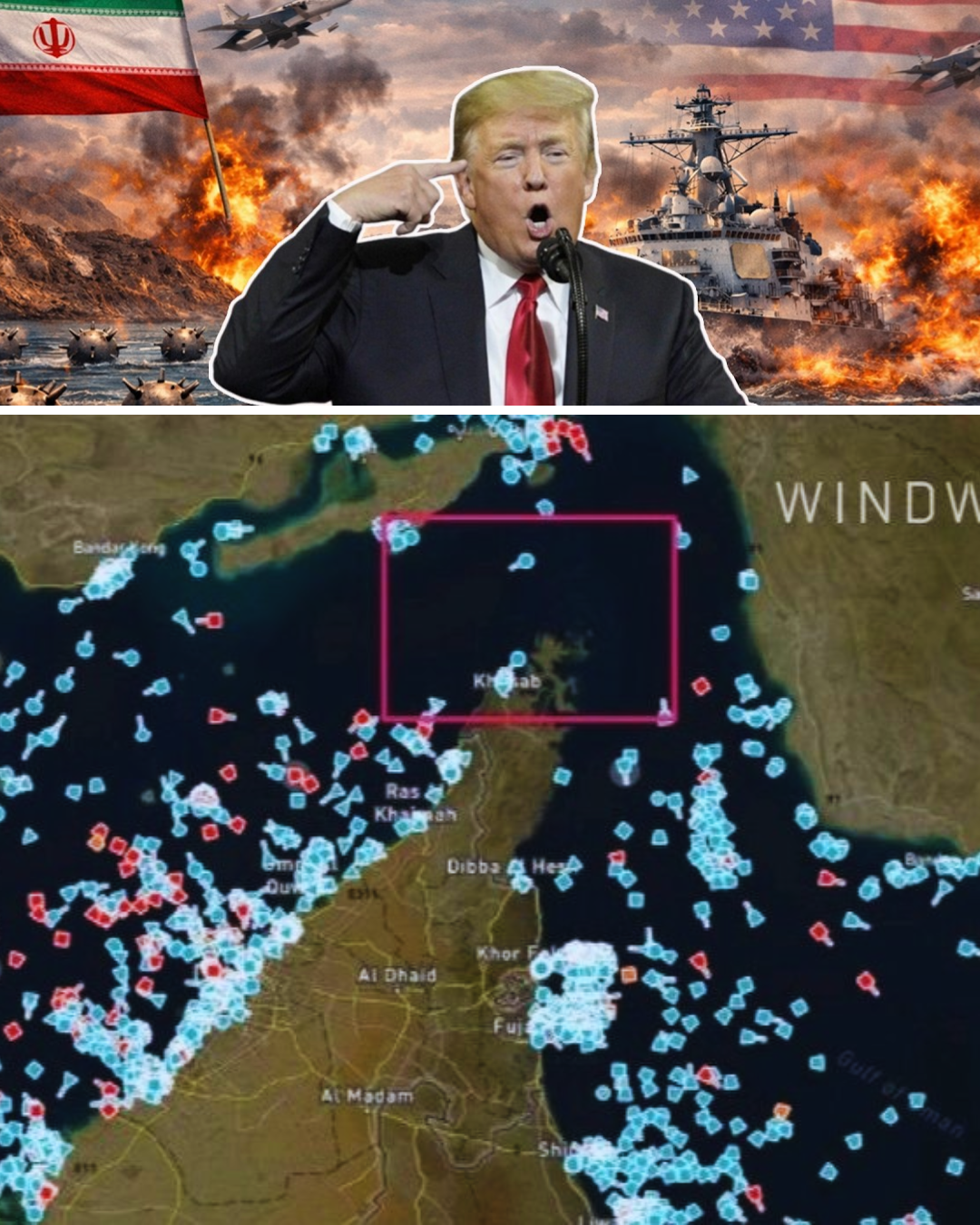
MANAMA, BAHRAIN – The global energy market has been plunged into a state of high-alert as the Strait of Hormuz, the world’s most vital maritime artery for oil and gas, faces what experts describe as a “paralytic” blockade. Following a massive joint offensive by the United States and Israel against Iranian military infrastructure, Tehran has reportedly retaliated by deploying an extensive, multi-layered maritime defense system, utilizing an arsenal of thousands of naval mines to stall international commerce.
The Asymmetric Threat: A Sea of Mines
According to U.S. intelligence estimates, Iran has stockpiled approximately 6,000 naval mines, ranging from sophisticated bottom-dwelling and moored sensors to simpler floating and limpet mines. Scarlett Suarez, a senior intelligence analyst at the UK-based maritime risk firm Dryad Global, warns that these weapons represent a severe asymmetric threat. Given the strait’s narrow shipping lanes and shallow waters, Iran’s coastal geography allows for rapid deployment from high-speed attack craft, submarines, and specialized platforms.
The threat transitioned from theoretical to reality earlier this week. On March 1, an unidentified projectile struck the MKDV YOM, a Marshall Islands-flagged tanker operating off the coast of Oman, resulting in the death of a crew member. Similar incidents were reported off the coast of the United Arab Emirates (UAE), where the Gibraltar-flagged fuel tanker Herkulesta was also damaged. While the tankers have since returned to safe anchorages, the strikes have effectively frozen traffic near major regional hubs like Fujairah.
Economic Shockwaves and Global Logistics
The economic fallout of the Hormuz disruption has been immediate. As Asian markets reopened, Brent Crude—the global benchmark—surged 13% to over $82 per barrel. Financial analysts warn that a total blockade could push prices significantly higher, directly impacting consumers at the pump. In the United States, gasoline prices are projected to rise toward $3.50 per gallon in the coming months, creating a sensitive political environment ahead of the midterm elections.
The logistics industry is already recalibrating. Shipping giant Maersk has announced the suspension of all transits through the Strait of Hormuz and the Bab el-Mandeb, opting instead for the lengthy and costly route around the Cape of Good Hope. Marine insurance providers have responded by hiking war-risk premiums or canceling coverage altogether for vessels operating in the Persian Gulf.
U.S. Strategy: Between Decisiveness and Quagmire
In Washington, U.S. Secretary of Defense Pete Hegseth has signaled a firm but cautious military posture. While leaving the door open for ground operations, Hegseth emphasized that the United States aims to avoid a repeat of the “forever wars” seen in Iraq and Afghanistan.
“We will not fall into the trap of publicly stating exactly what we will or will not do,” Hegseth stated during a press briefing. He asserted that the primary objectives of the military campaign are clear: destroying Iran’s offensive missile capabilities, neutralizing its navy, and ensuring the regime never acquires nuclear weapons. Hegseth noted that while the U.S. has the capacity for “bold and decisive” action, it does not intend to deploy 200,000 troops for a decades-long occupation.
Amidst these tensions, a U.S. F-15E Strike Eagle reportedly crashed in Kuwait during a combat mission. While the aircraft was lost, both pilots ejected safely and were recovered. The incident marks the first recorded combat loss of an F-15 since the start of current operations.
The Geopolitical Gamble
The “Hormuz Card” remains Tehran’s most potent lever, but it is not without risk for Iran. A total closure of the strait would cut off Iran’s own oil revenue and could alienate its primary strategic partner, China. Beijing currently receives approximately 25% of the oil flowing through Hormuz, a much higher dependency than the United States, which receives less than 10%.
As the joint U.S.-Israeli campaign continues, President Donald Trump has called on the Iranian people to “seize the moment” and reclaim their country. However, with thousands of mines potentially littering the sea floor and the global economy hanging in the balance, the path to regional stability remains fraught with unprecedented danger. For now, the world watches the narrow waters of Hormuz, where a single mine could trigger a global catastrophe.