The world calls for an end to the “Flame of Fury”: The United Nations and the international community strive to de-escalate the Middle East crisis
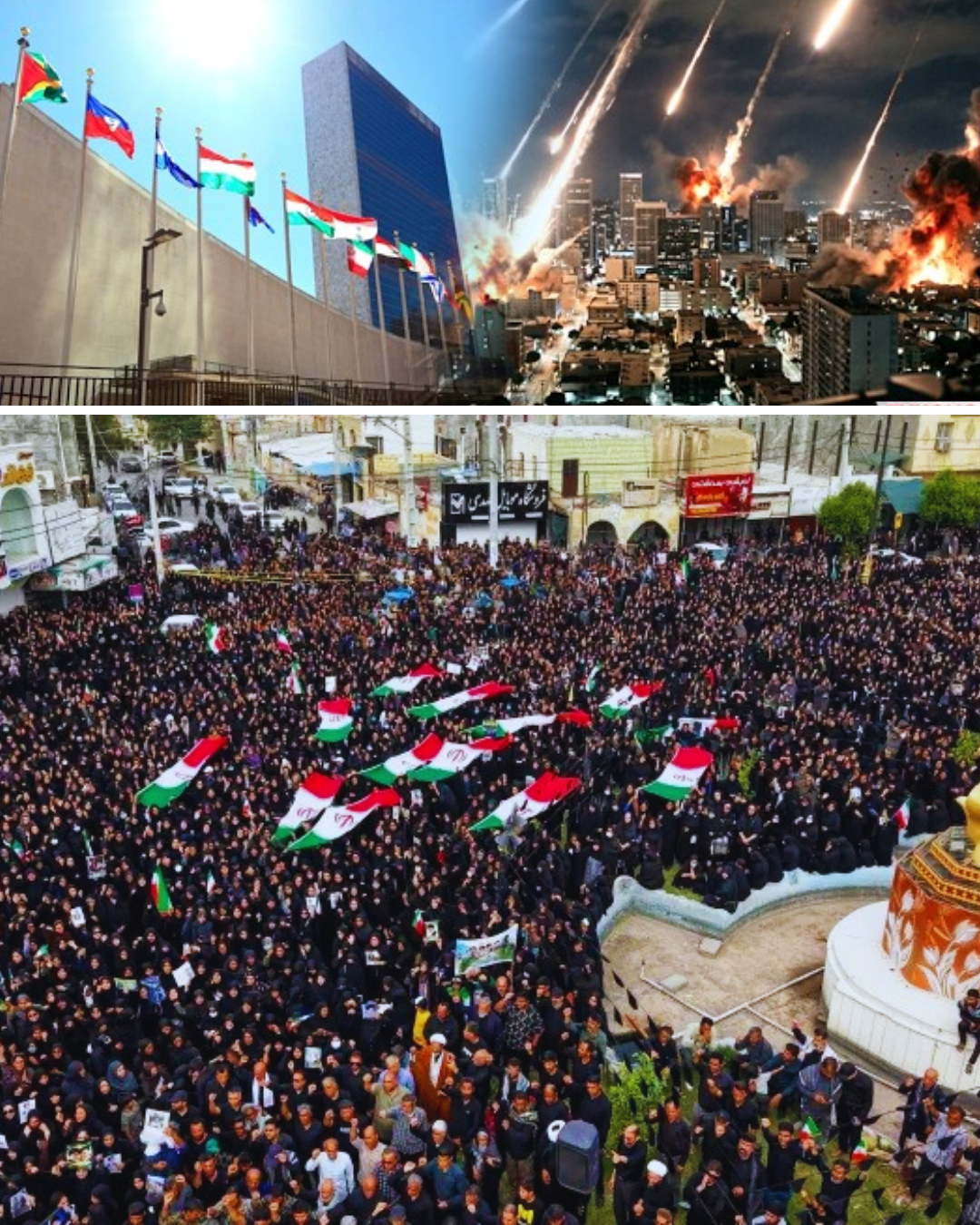
NEW YORK / TEHRAN – Amidst the escalating conflict between the US-Israel coalition and Iran, the United Nations and many world powers have issued warnings of a global humanitarian and security catastrophe. The rapid military developments in recent days have not only shaken the region but also pushed the panic of millions of people to its highest level.
Voices from UN agencies
On March 4th, the Office of the UN High Commissioner for Human Rights issued a statement expressing shock at the horrific impact of the conflict on civilians and essential infrastructure. UN High Commissioner for Human Rights Volker Turk emphasized that fear and anxiety are gripping the Middle East as the situation worsens by the hour. This body called on all parties to fulfill their obligations to protect civilians under international law and return to the negotiating table – the only way to end the destruction.
On the same day, the United Nations General Assembly Presidency (UNCPGA) also strongly condemned the use of force, considering it a grave violation of the UN Charter. The UNCPGA urged the Security Council to fulfill its duty to maintain world peace and proposed convening an emergency special session to address the current crisis.
The Spiral of Retaliation and the Spread of War
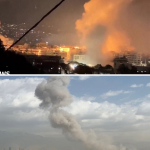
The “Epic Fury” operation, launched by the US and Israel on February 28th, targeted key Iranian institutions, resulting in the deaths of Supreme Leader Ali Khamenei and many high-ranking officials. In response, the Iranian Islamic Revolutionary Guard Corps (IRGC) expanded its retaliation with missiles and unmanned aerial vehicles (UAVs).
Not only targeting Israel and US bases, Iran’s attacks have spread to neighboring countries. In the UAE, two Amazon Web Services (AWS) data centers were hit by drones, causing serious disruptions to financial and government services. Qatar also reported that two Iranian Su-24 fighter jets were shot down while approaching its airspace, while Qatar Energy had to temporarily suspend LNG production at key facilities due to attacks, causing gas prices in Europe to skyrocket by 50%.
Europe faces a direct threat
The situation became particularly serious for Europe when Iran issued a stern warning: any intervention from these countries would be considered an act of war. Tehran threatened to retaliate with direct attacks on cities across the continent.
This warning came after the British Akrotiri air base on Cyprus was attacked by drones. Faced with the escalating threat, France decided to deploy the aircraft carrier Charles de Gaulle and its naval task force to the Eastern Mediterranean. President Emmanuel Macron also ordered an increase in Paris’s nuclear arsenal and discussed a common European nuclear deterrence program involving eight member states.
Diplomatic Efforts and Unexpected Proposals
Amidst the conflict, diplomatic efforts are being vigorously pursued. Turkish President Tayyip Erdogan stated that Ankara is engaging in “strong diplomacy” to prevent regional instability.
Notably, Ukrainian President Volodymyr Zelensky has put forward a strategic proposal. He affirmed Kyiv’s readiness to send its best experts in intercepting Iranian UAVs to the Middle East to support its allies. However, this is conditional on regional leaders persuading Russian President Vladimir Putin to agree to a month-long ceasefire. President Zelensky emphasized that Ukraine’s combat experience in dealing with Shahed-type UAVs is “irreplaceable” and that it is ready to share it to protect civilians in the region.
Currently, the whole world is holding its breath awaiting the online meeting between the European Union (EU) and the Gulf states on March 5th. While the door to diplomacy remains open, Iran’s IRGC continues to declare that the “gates of hell” will open wider if the US and Israeli attacks do not stop.