MIDDLE EAST ON THE BRINK: IRANIAN DRONE STRIKES HIT U.S. INTELLIGENCE HUB IN RIYADH AMID ESCALATING REGIONAL CONFLICT
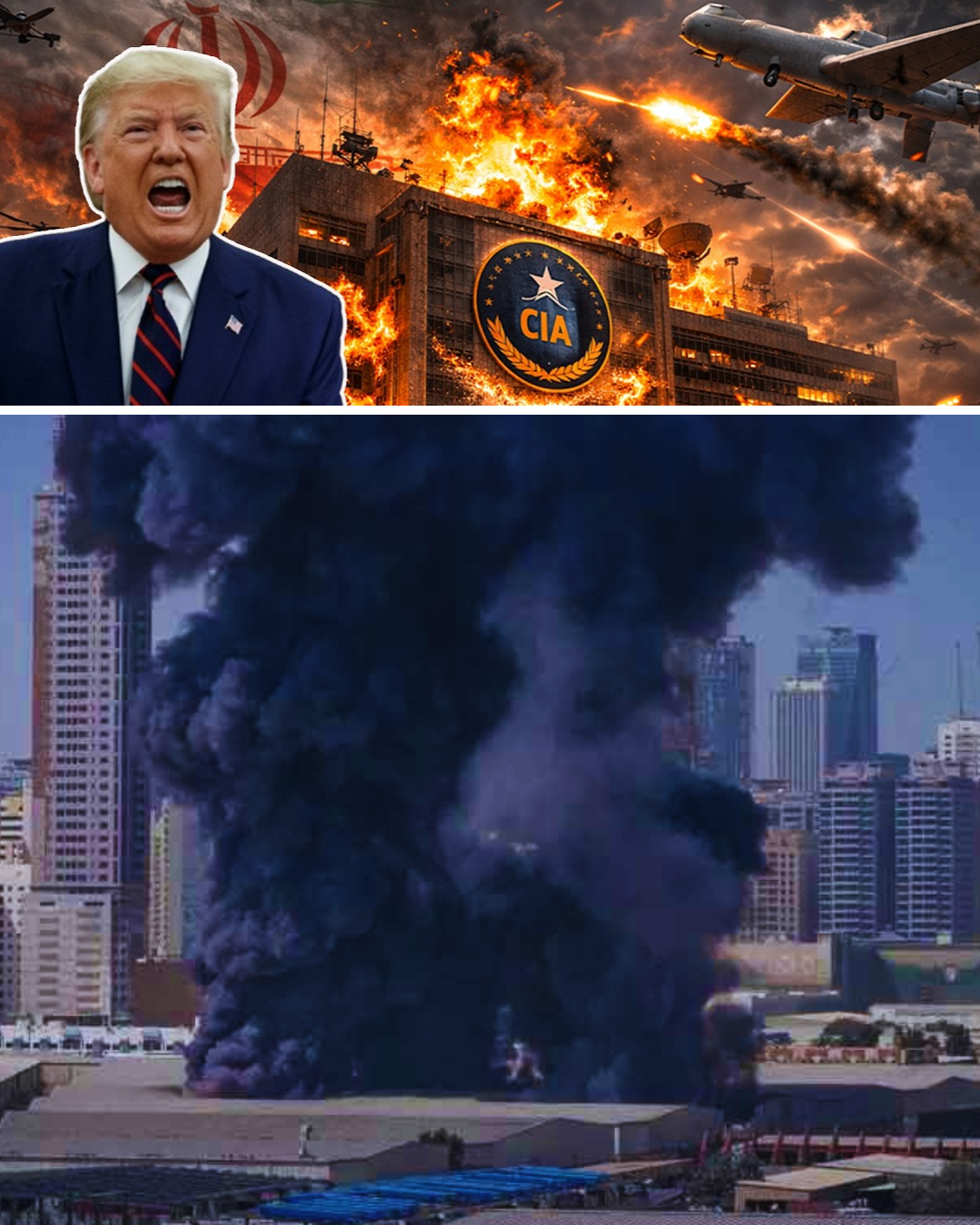
RIYADH / WASHINGTON – Regional tensions have reached a boiling point following a direct drone assault on the U.S. Embassy complex in Riyadh, Saudi Arabia. While initial reports from both Washington and Riyadh attempted to downplay the severity of the incident, emerging details confirm that a critical CIA installation housed within the embassy was directly targeted, marking a significant symbolic and strategic escalation in Iran’s retaliatory campaign.
The Strike on Riyadh
The attack, carried out by two unmanned aerial vehicles (drones), caused structural damage to the embassy’s upper floors, where the CIA’s regional intelligence hub is located. According to internal U.S. State Department memos, the strike resulted in a partial roof collapse and significant smoke damage, forcing personnel to shelter in place. Although no CIA staff were reported injured, the precision of the strike on one of America’s most vital intelligence assets in the Middle East underscores the growing reach of Iranian operations.
This incident is part of a broader “drone storm” launched by Tehran, which has expanded its cross-border strikes to include military and diplomatic facilities in Kuwait, Qatar, and the United Arab Emirates. The intensifying conflict has forced the temporary closure of U.S. embassies in Riyadh, Beirut, and Kuwait City, with American citizens urged to exercise extreme caution and limit non-essential travel.
Washington’s Military Posture: No “Forever War”
In response to the escalating threats, U.S. Defense Secretary Pete Hegseth addressed the possibility of further military action. While keeping the option of ground troop deployment on the table, Hegseth emphasized that the current administration under President Donald Trump would not repeat the mistakes of the past, specifically referring to the protracted conflicts in Iraq and Afghanistan.
“We do not need to send 200,000 people there to stay for 20 years,” Hegseth stated during a press briefing. He defined the military objectives as surgical and clear: the destruction of Iran’s missile production capabilities, the neutralization of its naval forces, and a definitive guarantee that the regime will never possess nuclear weapons. President Trump has further amplified this stance via social media, calling upon “Iranian patriots” to seize the moment and reclaim their country.
However, military analysts warn that even a limited ground presence—such as special operations forces—could significantly increase the risk of U.S. casualties and potentially draw the military into a long-term occupation. This concern is heightened by the recent loss of an F-15E Strike Eagle fighter jet in Kuwait; though the pilots ejected safely, the incident marks a rare combat-related loss for the multi-role aircraft.
The “Hormuz Card” and Global Economic Shocks
Perhaps the most potent weapon in Iran’s arsenal remains the potential closure of the Strait of Hormuz. As a vital artery for global energy, the narrow strait facilitates the transport of 20% of the world’s oil and liquefied natural gas. Early signs of disruption have already sent shockwaves through the markets, with Brent crude prices surging 13% to over $82 per barrel.
Major shipping conglomerates, including Maersk, have announced the suspension of all transit through the Strait of Hormuz and the Bab el-Mandeb, choosing instead the long route around Africa. For the American consumer, this translates to immediate pressure at the gas pump, with average prices predicted to jump significantly in the coming months.
The closure of Hormuz represents a “double-edged sword” for Tehran. While it grants them immense geopolitical leverage, it also threatens to alienate strategic partners like China, which receives 25% of its oil via the strait. Furthermore, historical precedents suggest that any direct interference with U.S.-flagged vessels could trigger a massive, disproportionate military response from Washington.
As both nations trade blows through proxy strikes and high-stakes economic brinkmanship, the international community watches with bated breath. The path forward remains uncertain, but the current trajectory suggests a region rapidly descending into a new and unpredictable era of warfare.