TEHRAN ISSUES STARK WARNING TO EUROPE AS PARIS BOLSTERS NUCLEAR DETERRENT AMID ESCALATING MIDDLE EAST CONFLICT
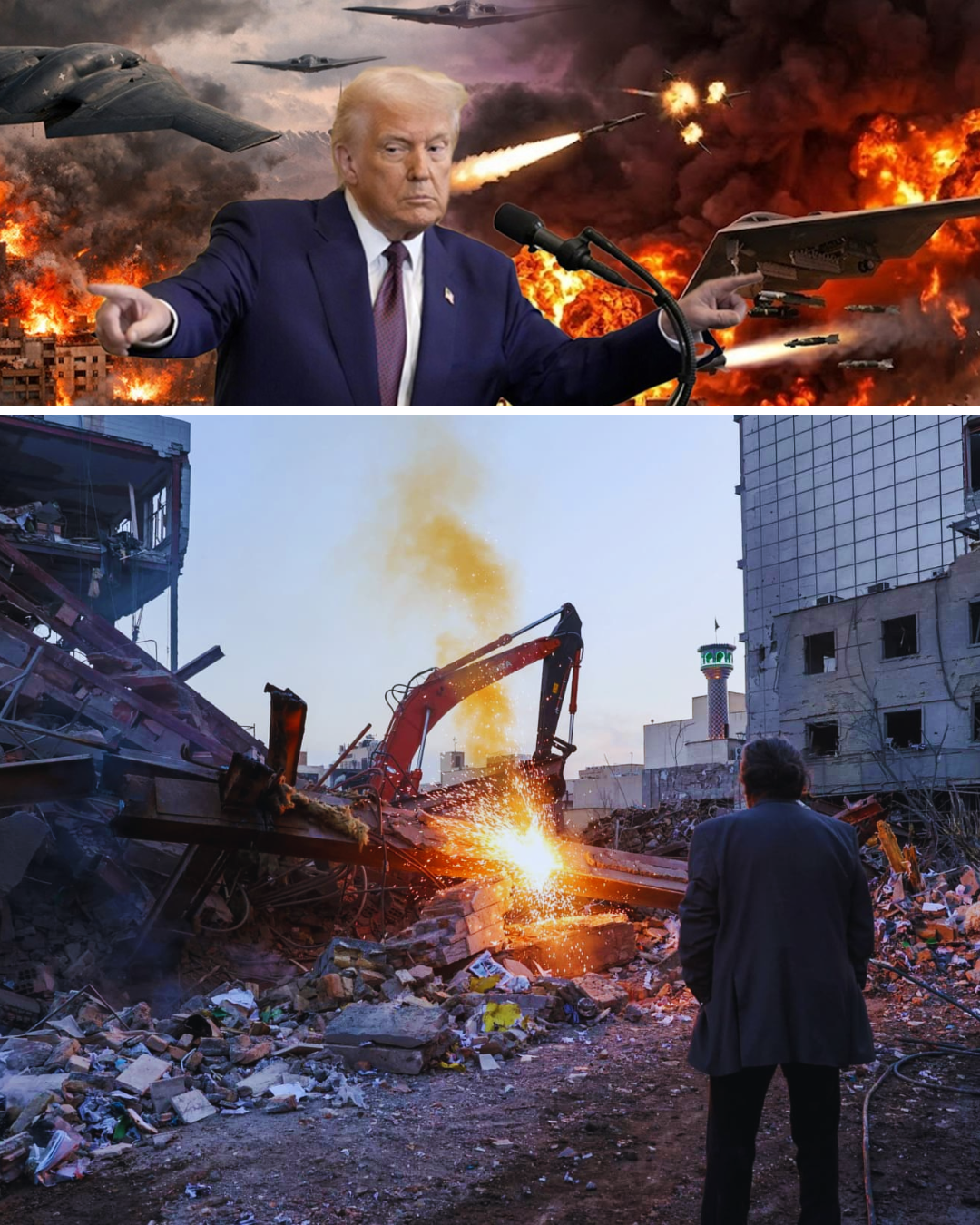
TEHRAN / PARIS / WASHINGTON — The shadow of the Middle East conflict has cast a chilling pall over the European continent as Iran issued a direct threat to target European cities if they intervene in the ongoing hostilities between Tehran and the U.S.-Israeli alliance. In a swift response to the deteriorating security environment, French President Emmanuel Macron has ordered an expansion of France’s nuclear arsenal, signaling a major shift in the continent’s defense posture.
A Declaration of “Act of War”
The tension reached a new peak following a series of aggressive statements from the Iranian Ministry of Foreign Affairs. Spokesperson Esmail Baghaei characterized any potential European military involvement as a direct “act of war” and “complicity” in the actions taken by Washington and Tel Aviv. Tehran warned that such provocations would justify retaliatory strikes against European nations and their urban centers, effectively expanding the combat zone far beyond the borders of the Middle East.
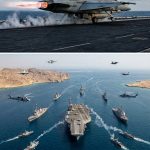
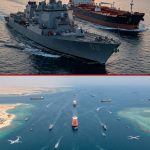
This rhetoric comes in the wake of a drone (UAV) attack on the British Royal Air Force base, Akrotiri, in Cyprus—an EU member state. While officials believe the drones were launched from Lebanon, likely by Hezbollah, the incident has galvanized European leaders. In response, Greece and France have deployed naval destroyers to reinforce Cyprus, while Athens has contributed F-16 fighter jets to bolster regional air defense.
The French Nuclear Pivot
In what analysts describe as a landmark strategic decision, President Emmanuel Macron has ordered a significant increase in France’s nuclear stockpiles. Citing multifaceted threats ranging from the war in Ukraine to the volatility in the Middle East, Macron announced a program to distribute French nuclear deterrent assets across the continent.
Reportedly, eight nations, including the United Kingdom, Germany, and the Netherlands, have already expressed interest in hosting these French deterrent capabilities. This move aims to establish a “European shield,” reducing reliance on external security guarantees during a period of unprecedented global instability.
NATO on High Alert
NATO Secretary-General Mark Rutte clarified that while the alliance is not a direct party to the Middle East conflict, it remains unwavering in its commitment to “defend every inch of NATO territory.” Speaking during a visit to North Macedonia, Rutte identified Iran as a significant regional threat but noted that current support provided by individual allies to the U.S.-led operations remains on a bilateral basis.
Meanwhile, the United Kingdom has also signaled a heightened state of readiness. Reports from London suggest that Prime Minister Keir Starmer is considering the deployment of additional warships to the Mediterranean to secure British interests and maritime routes against potential long-range drone or missile attacks.
Washington Codifies “Operation Fury”
In the United States, President Donald Trump has formally notified Congress of the ongoing military actions against Iran, codifying the campaign under his constitutional authority as Commander-in-Chief. In a letter to Senate leaders, Trump emphasized that “Operation Fury” was launched following the exhaustion of diplomatic efforts and represents a necessary exercise of collective self-defense.
The strikes have targeted a wide array of strategic assets within Iran, including ballistic missile bases, naval facilities, and command-and-control centers. The White House maintains that these operations are designed to ensure the freedom of navigation through the Strait of Hormuz—a vital artery for global energy—and to neutralize Iran’s capacity to launch further attacks against U.S. personnel and allies.
Economic Fallout and Global Uncertainty
The military escalation has sent shockwaves through global markets. Energy prices have surged as the risk of a total blockade of the Strait of Hormuz looms. Major shipping conglomerates have begun rerouting vessels around the Cape of Good Hope, bypassing the Suez Canal entirely to avoid the volatile waters of the Persian Gulf.
As Tehran and the West remain locked in a cycle of escalation and retaliation, the prospect of a diplomatic resolution appears increasingly distant. With Iran warning that the “gates of hell” are opening wider and Europe moving toward a war footing, the international community faces a precarious era where the threat of regional conflict evolving into a global catastrophe is no longer a distant possibility, but a looming reality.