HORUMZ STRANGULATION: TRUMP PLEDGES TO SECURE GLOBAL OIL FLOW AS TEHRAN THREATENS TO “BURN” VESSELS IN THE STRAIT
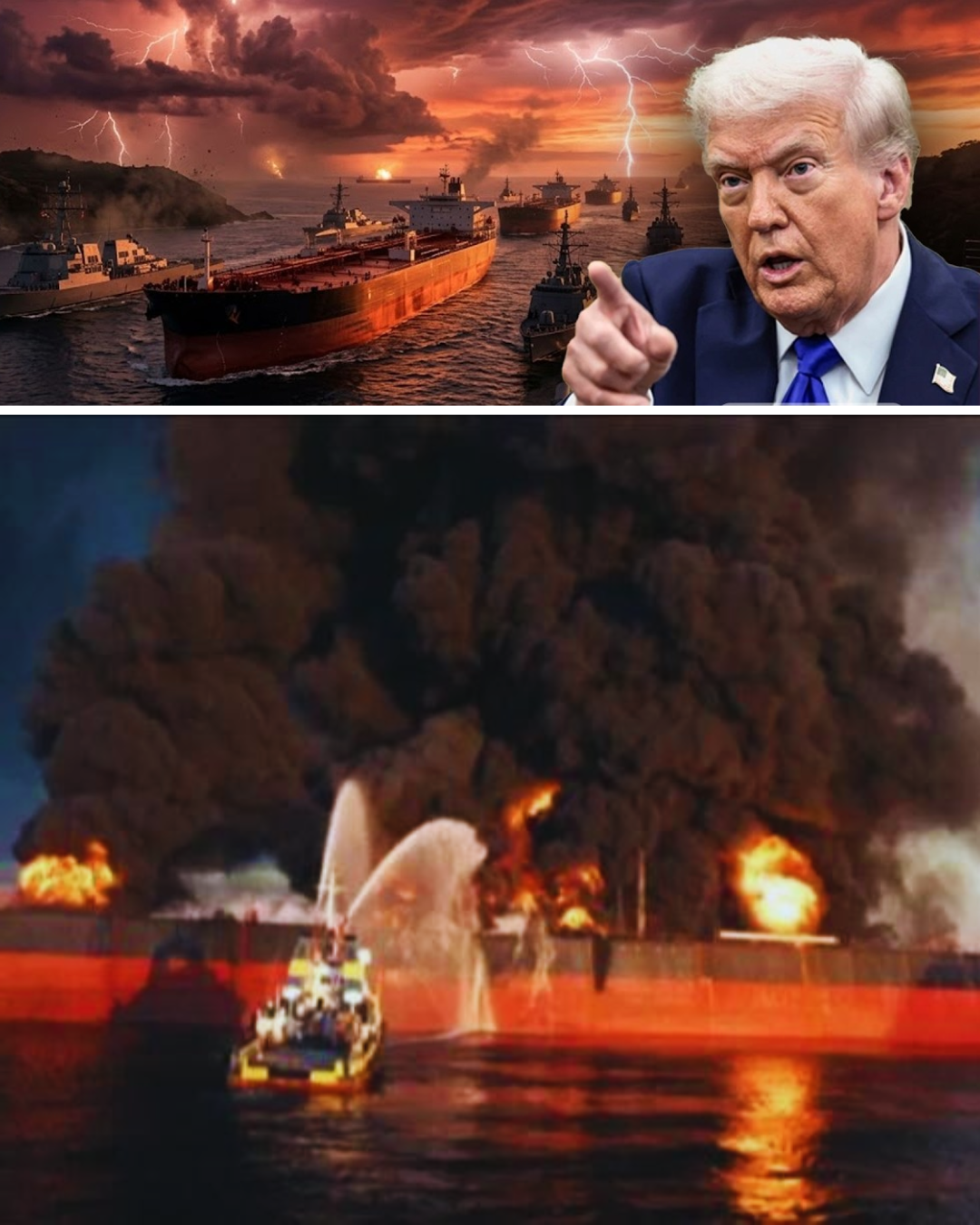
WASHINGTON D.C. / TEHRAN — The global energy market stands at a precarious threshold as the Strait of Hormuz—the world’s most vital maritime chokepoint—becomes the epicenter of a high-stakes military and economic confrontation. Following a series of devastating joint U.S.-Israeli air strikes on Iranian leadership and strategic assets, the conflict has now shifted to the sea, threatening the flow of approximately 20% of the world’s oil supply.
The Battle for the Strait
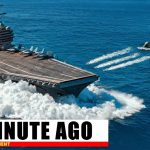
President Donald Trump, in a defiant message on social media, has committed the full weight of the United States’ economic and military power to ensure the “free flow of energy to the world.” In an unprecedented move, the President has directed the U.S. International Development Finance Corporation to provide political risk insurance and financial guarantees for all maritime trade passing through the Persian Gulf. Furthermore, he signaled that the U.S. Navy is prepared to escort oil tankers through the Strait of Hormuz if necessary.
In stark contrast, a senior advisor to the Iranian Revolutionary Guard Corps (IRGC) declared on state television that “not a single drop of oil” will be allowed to pass through the strait. Tehran has issued a chilling warning that any vessel attempting to transit the narrow waterway will be “burned.” These threats have already caused a sharp decline in maritime traffic, as shipping companies weigh the immense risks against global energy demands.
A Shift in U.S. Military Strategy
Vice President JD Vance, in a recent interview, clarified the Trump administration’s stance, emphasizing that Washington will not be drawn into another “forever war.” Unlike previous administrations, Vance stated that President Trump has defined a clear, singular objective: Iran must never possess nuclear weapons and must commit to a permanent cessation of its nuclear program.
“It’s simple, it’s clear, and it means we won’t fall into the same traps we saw in Iraq and Afghanistan,” Vance noted. However, the intensity of current operations suggests a short but massive campaign. Pentagon reports confirm the deployment of B-2 Spirit stealth bombers to strike fortified underground missile facilities, as well as the first combat use of “Lucas” suicide drones—low-cost, one-way attack drones designed to counter Iran’s own drone capabilities.
Regional Escalation and Retaliation
The conflict, which reportedly claimed the life of Supreme Leader Ali Khamenei on February 28, has triggered a wave of Iranian retaliation across the Middle East. Over 27 U.S. bases throughout the region have been targeted by Iranian missiles and drones.
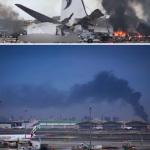
The collateral damage has extended far beyond military targets. Luxury hotels in Dubai and shopping malls in Bahrain have been struck by intercepted missile debris, causing fires and widespread panic. In Dubai, the iconic Palm Jumeirah resort was reportedly hit, and flight operations at major regional hubs have been thrown into chaos as aircraft scramble to exit Middle Eastern airspace.
The Human Toll and Global Aftershocks
The humanitarian cost continues to mount. A strike on a school in Iran reportedly left 148 people dead and nearly 100 others seriously injured. In Tehran, thousands have taken to the streets in mourning and protest, demanding immediate military revenge.
The economic shockwaves are equally severe. Qatar Energy’s decision to halt liquefied natural gas (LNG) production has further strained global supplies. With U.S. officials warning that the “heaviest strikes” are yet to come and Iran vowing a “devastating response,” the international community faces a month-long window of extreme volatility that could permanently reshape the geopolitical landscape of the Middle East.
As the U.S. prepares for a massive escalation in the next 24 hours focusing on Iran’s missile and naval production, the world remains on edge, watching whether the “Strait of Hormuz card” will lead to a total energy collapse or a definitive end to the decades-long confrontation between Washington and Tehran.