MIDDLE EAST IN TURMOIL: IRAN DECLARES NATIONAL MOURNING AMID ISRAELI THREATS TO ELIMINATE NEW LEADERSHIP
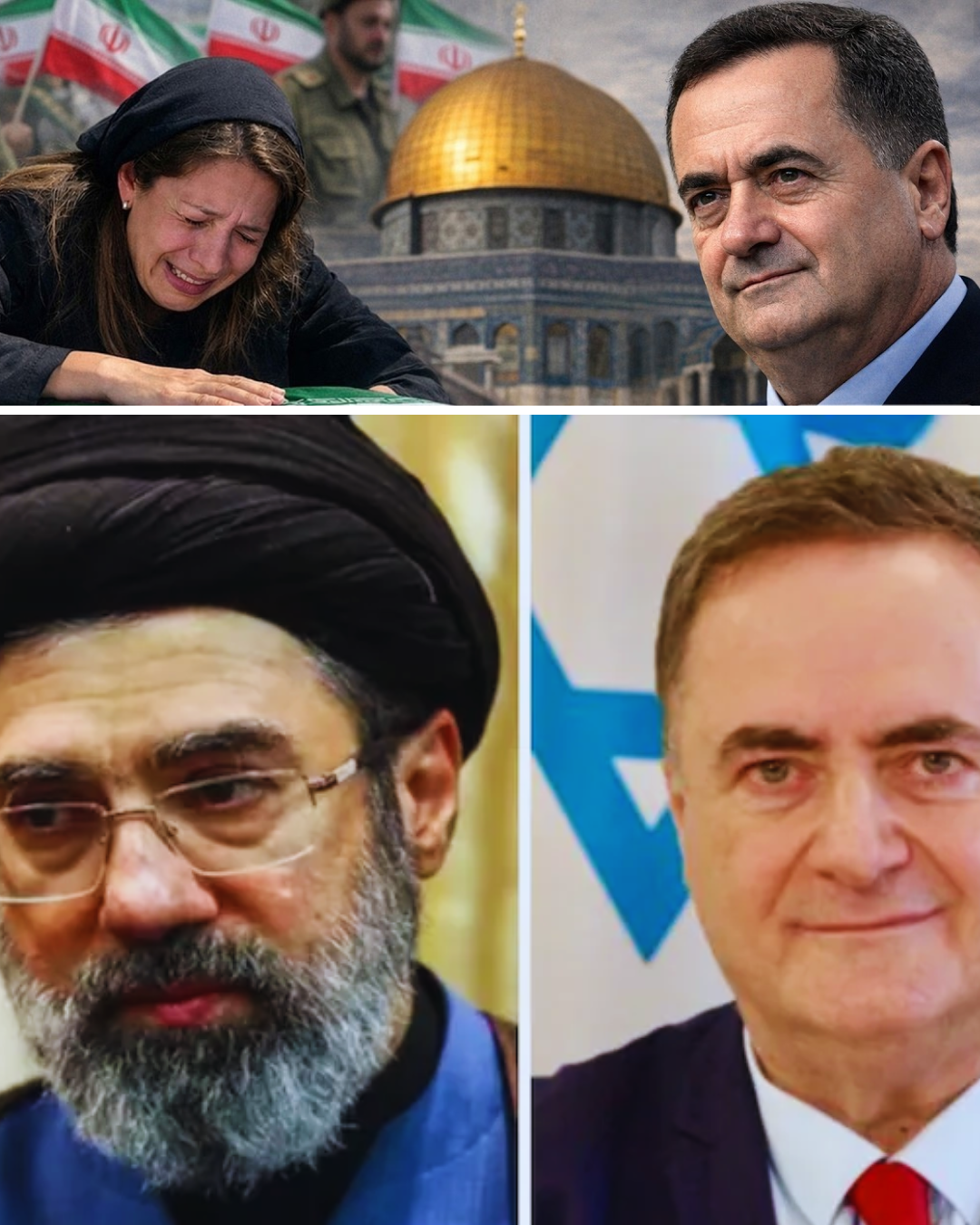
TEHRAN / TEL AVIV / WASHINGTON — In a dramatic escalation of tensions following the reported death of Supreme Leader Ayatollah Ali Khamenei, the Islamic Republic of Iran has declared a 40-day period of national mourning. However, the shadow of conflict remains looms large as Israel issued a cold and direct warning: any newly appointed leader will be treated as an unconditional target for elimination.
The Death of a Leader and the Succession Crisis
The regional landscape shifted seismically following massive joint air strikes by the United States and Israel on February 28. These operations, dubbed “Operation Epic Fury” by Washington and “Operation Roaring Lion” by Tel Aviv, reportedly claimed the life of Supreme Leader Ali Khamenei and several high-ranking officials. While Iranian authorities initially attempted to move Khamenei to a secure location, subsequent reports confirmed his death, triggering mass demonstrations across major cities including Isfahan, Qom, and Mashhad.
As the Assembly of Experts—an 88-member body of senior clerics—convened virtually to discuss a successor, Israeli Defense Minister Israel Katz issued a stark ultimatum. “Any leader appointed by Iran will be an unconditional target for elimination,” Katz stated, adding that the Israel Defense Forces (IDF) have been instructed to use all necessary means to dismantle the Iranian government’s capabilities.
A Regional Firestorm
The fallout from the strikes has rapidly spread beyond the borders of Iran, engulfing the wider Gulf region. Within hours of the U.S.-Israeli offensive, Tehran launched a wave of retaliatory drone and missile strikes targeting U.S. interests and neighboring Arab states. At least six countries, including the United Arab Emirates (UAE) and Bahrain, have felt the direct impact of the counter-offensive.
In Dubai, a global tourism hub, the sky was lit up by intercepted missiles. Debris from these interceptions reportedly caused fires and structural damage, including hits near luxury resorts on the iconic Palm Jumeirah and the Crown Plaza Hotel in Manama, Bahrain. The chaos has forced major regional airports to cancel flights and redirect air traffic as the Middle Eastern airspace becomes increasingly volatile.
In response to the deteriorating security situation, the UAE government has directed all educational institutions to move to online learning and has urged private sector employees to work remotely.
Unprecedented Firepower
U.S. Central Command (CENTCOM) released footage confirming the scale of “Operation Epic Fury,” describing it as the largest concentration of American military firepower in the region in a generation. The operation utilized precision-guided munitions launched from land, sea, and air, including Tomahawk cruise missiles and the HIMARS mobile rocket systems. Stealth B-2 bombers were also deployed to strike fortified underground facilities.
President Donald Trump, in a message via social media, asserted that the military campaign would continue uninterrupted “for a week or as long as necessary” to achieve what he described as long-term peace in the Middle East.
A Nation in Mourning
Tehran is currently preparing for a massive three-day farewell ceremony for the late Ayatollah, scheduled to begin on the evening of March 4 at the Imam Khomeini Prayer Square. Despite the official 40-day mourning period and a nationwide one-week closure, the IRGC and the Iranian military have vowed a “devastating response” to the ongoing U.S.-Israeli aggression.
As the international community watches with bated breath, the Middle East stands at a perilous crossroads. With Israel maintaining a “zero tolerance” policy for new Iranian leadership and the U.S. continuing its overwhelming military pressure, the prospects for a diplomatic resolution appear increasingly remote, replaced by the grim reality of a widening regional war.