BEIJING’S UNYIELDING “RED LINES”: CHINA ASSERTS CORE PRINCIPLES AMID HIGH-STAKES DIPLOMACY WITH WASHINGTON
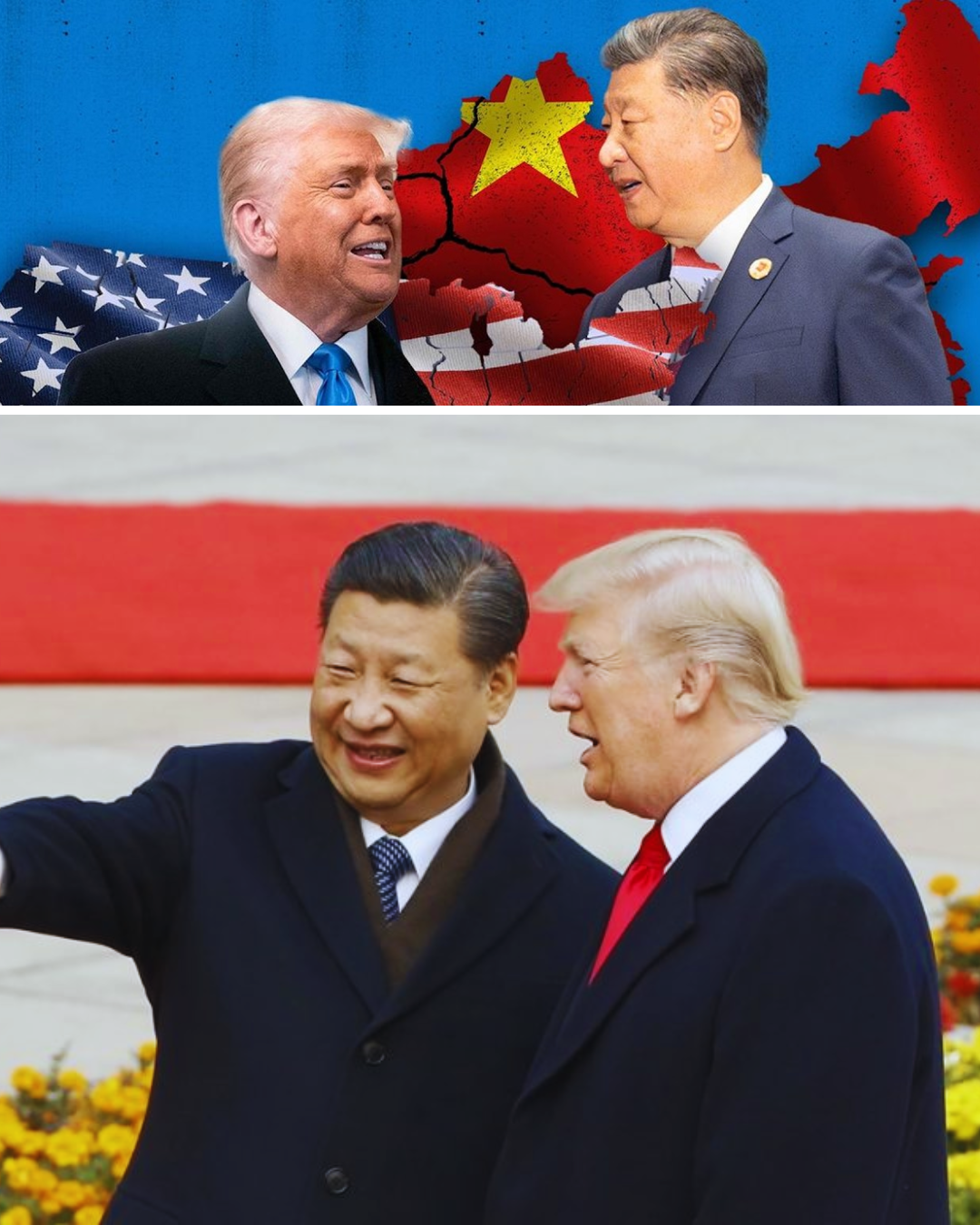
BEIJING — In a direct message ahead of the annual meeting of the National People’s Congress, China has signaled its readiness to engage in high-level dialogue with the United States while simultaneously hardening its stance on sovereign “red lines.” The statements come at a critical juncture in bilateral relations as both global powers prepare for a pivotal summit between President Xi Jinping and President Donald Trump, scheduled for late March in Beijing.
The Strategy of Coexistence and Sovereignty
Lou Qinjian, spokesperson for the National People’s Congress, emphasized on March 4 that while Beijing is open to dialogue at all levels to stabilize ties, it will remain “firm and unwavering” in defending its security and development interests. Lou asserted that no single nation has the right to monopolize the advantages of development or dictate the destiny of other peoples—a thinly veiled critique of U.S. global influence.
“China has its own principles and red lines,” Lou stated, highlighting that any demands perceived as infringing upon China’s fundamental rights will be rejected. This rhetoric sets a stern tone for the upcoming diplomatic engagements, suggesting that while cooperation is on the table, it will not come at the cost of Beijing’s core territorial and political ambitions.
Regional Conflict and Middle East Stance
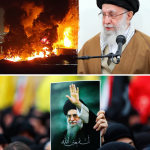
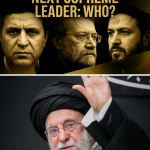
The diplomatic friction extends beyond the Pacific. Lou reiterated China’s long-standing position on the Middle East, calling for an immediate ceasefire and respect for Iranian sovereignty. This call comes amidst the fallout of the U.S.-Israeli military campaign that reportedly decapitated the Iranian leadership. By aligning itself with the principle of non-interference, Beijing continues to position itself as a counterweight to Western military interventionism in the region.
Internal Purges and Military Discipline
Parallel to its external diplomacy, the Chinese leadership is aggressively moving to tighten internal control. On March 2, the government announced the removal of three high-ranking generals from the National Committee of the Chinese People’s Political Consultative Conference (CPPCC). The officials—Han Weiguo, Liu Lei, and Cao Xin—all held the rank of General, the highest in the People’s Liberation Army (PLA).
Furthermore, unverified reports and “open letters” circulating online suggest a deepening probe into the military’s top brass, including Zhang Youxia, Vice Chairman of the Central Military Commission. While Beijing officially frames these actions as part of a relentless anti-corruption “strike on tigers and flies,” analysts view the moves as a strategic recalibration of power intended to enforce absolute loyalty to President Xi Jinping.
The Road to Miami: Ukraine Peace Talks
In a separate but related diplomatic development, Ukrainian President Volodymyr Zelensky confirmed that the United States has proposed a high-stakes meeting between Ukrainian and Russian negotiating teams in Miami. This initiative, backed by the Trump administration, aims to establish a joint monitoring mechanism for a ceasefire, involving the U.S., Ukraine, and Russia.
Zelensky, speaking on March 7, emphasized that any agreement must ensure that Russia does not use a ceasefire to stockpile munitions or launch future attacks. “The people of Ukraine need to feel that the situation is truly moving toward peace,” he stated.
A New Era of Sanctions
Meanwhile, European Union leaders, led by Ursula von der Leyen, are preparing a 20th package of sanctions to mark the fourth anniversary of the conflict in Ukraine. The new measures target Russia’s “shadow fleet” used for oil exports, as well as 20 Russian banks and cryptocurrency traders. The EU’s message remains clear: Russia will only negotiate seriously if it is forced to do so through overwhelming economic pressure.
As the world’s major powers convene through various channels—from trade talks in Paris to peace summits in the Americas—the geopolitical landscape remains defined by a delicate balance of military force and strategic “red lines.” For Beijing, the message is singular: stability is desirable, but sovereignty is absolute.