Towering Chopines Reveal How Fashion Defined Status in Renaissance Venice
- ThanhHuyen
- March 5, 2026
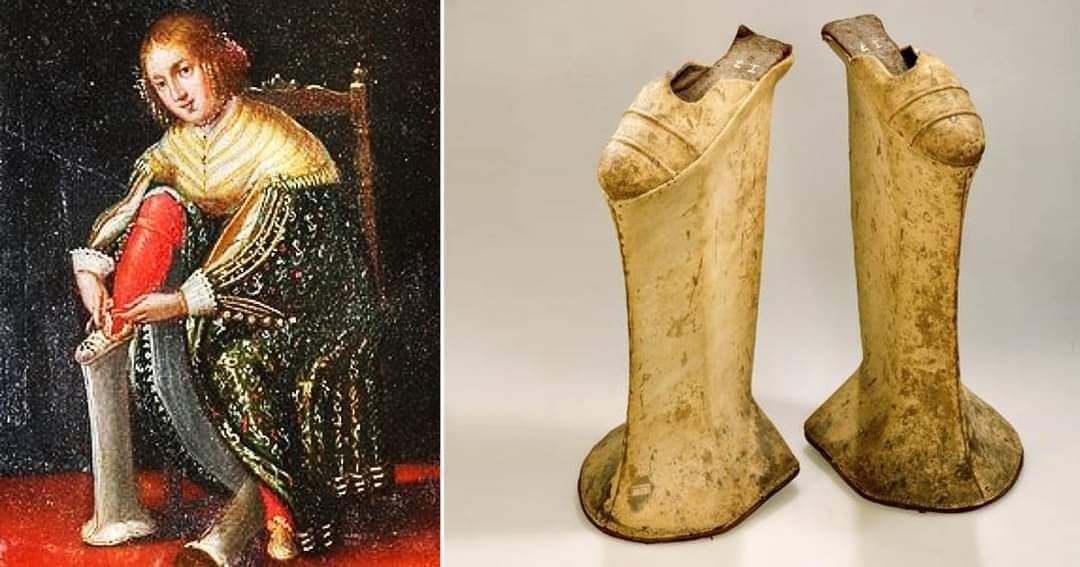
Venice between the 15th and 17th centuries was one of Europe’s most prosperous and visually striking cities. Known for its canals, merchant wealth, and refined artistic culture, the city also produced one of the most distinctive fashion statements of the Renaissance: the chopine.
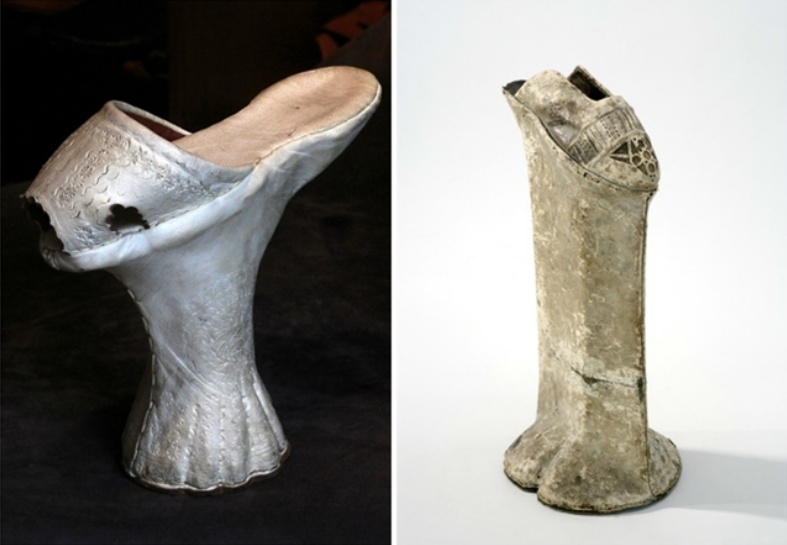
These elevated platform shoes, sometimes reaching more than twenty inches in height, were far more than decorative footwear. Historians say chopines functioned as visible markers of wealth, identity, and social hierarchy in a city where appearance carried powerful meaning.
Emerging during the height of the Renaissance, chopines were first designed as practical solutions to Venice’s challenging urban environment. The city’s streets were frequently damp, muddy, or uneven, and fine garments could easily be damaged. By lifting the wearer well above the ground, chopines protected expensive fabrics, embroidery, and layered gowns that symbolized social standing.
Over time, however, practicality evolved into performance.
“Chopines were a form of social communication,” explains Dr. Lucia Marin, a fashion historian specializing in early modern Europe. “They elevated women physically, but also socially. Height became a visual statement of prestige.”
Constructed primarily from hollowed wood, chopines were carefully engineered to balance durability and reduced weight. Artisans often covered them in leather, velvet, or brocade and embellished them with gilding, carvings, and painted designs. Some even featured small compartments, blending creativity with functionality.
The craftsmanship reflected Venice’s broader culture of luxury and innovation. As a major trading hub connecting Europe with the Eastern Mediterranean, the city had access to fine materials and skilled artisans. The result was footwear that demonstrated both technical sophistication and artistic ambition.
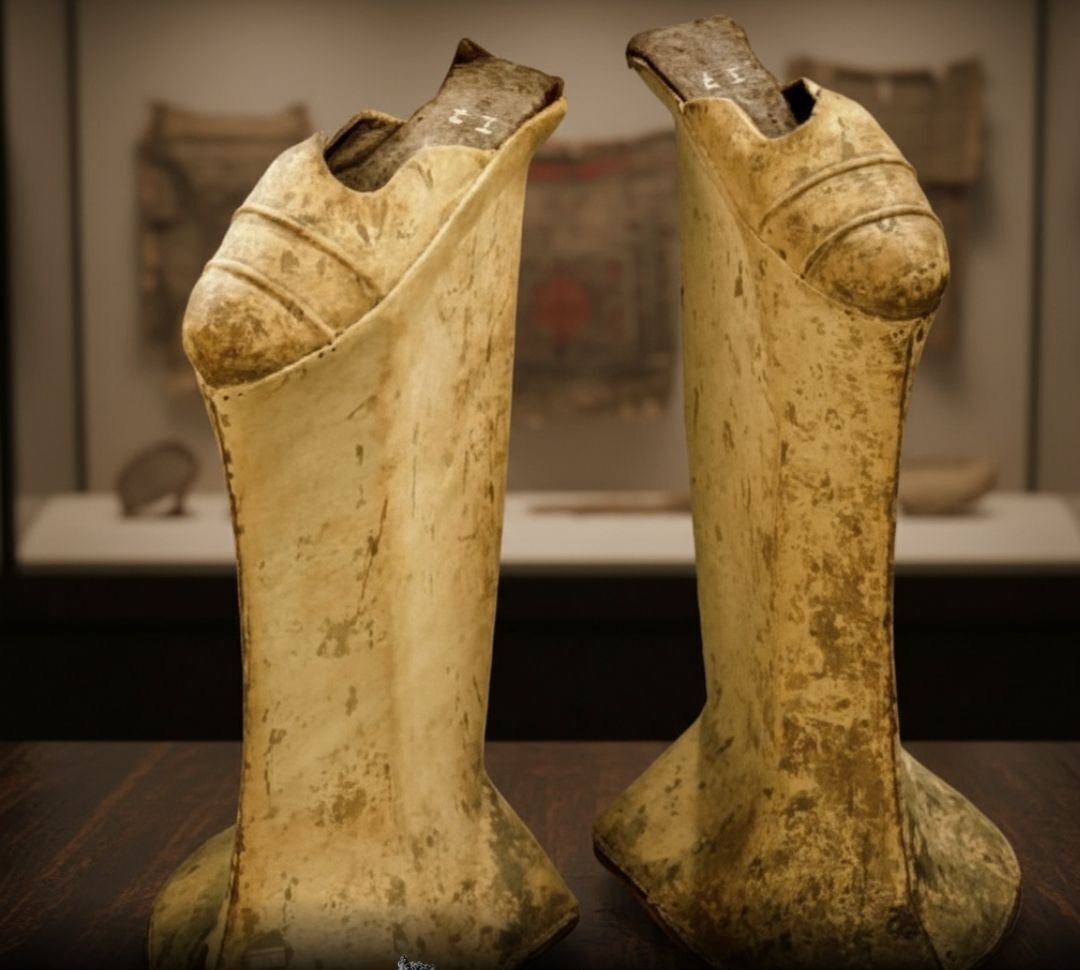
The height of a chopine frequently corresponded to the wearer’s status. While modest versions offered practical elevation, taller versions became statements of wealth and refinement. Walking in extreme platforms required deliberate movement, balance, and often the assistance of attendants. For many noblewomen and courtesans, mobility itself became a public display of discipline and elegance.
Art from the period supports this interpretation. Portraits often depict women poised atop tall platforms, their garments cascading dramatically to the ground. These images suggest that chopines were integrated into the broader visual language of social distinction.
At the same time, scholars note a paradox. While chopines signaled prestige, they also limited physical independence. The requirement for careful steps and assistance highlights how fashion intersected with expectations surrounding gender and decorum in Renaissance society.
“Fashion in Venice was never neutral,” Dr. Marin adds. “It reflected systems of hierarchy and cultural values. Chopines are a perfect example of how material objects carried layered meaning.”
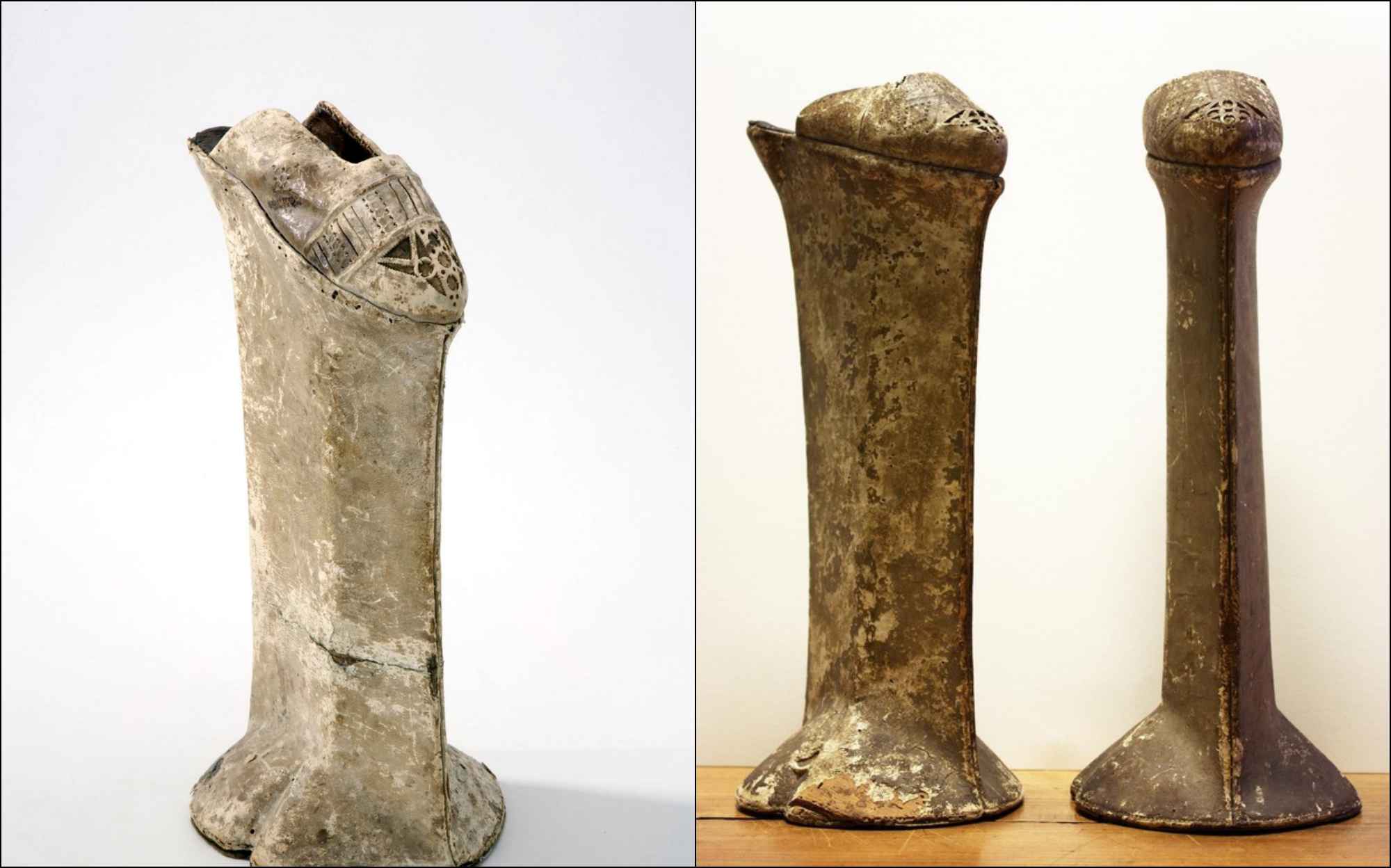
The phenomenon was particularly Venetian. Although platform footwear appeared elsewhere in Europe, Venice’s geography and social climate made chopines especially prominent. The city’s canals and stone bridges created practical demand for elevation, while its status-conscious elite amplified their symbolic importance.
Today, surviving examples are preserved in museums and studied by historians, anthropologists, and fashion experts. These artifacts provide insight into how everyday objects can embody broader themes of identity, power, and artistic expression.
Chopines also reveal the Renaissance fascination with visual symbolism. In a society where lineage, wealth, and public image shaped opportunity, footwear became a medium of communication. Height translated into visibility, and visibility reinforced influence.
Experts emphasize that chopines should not be viewed simply as unusual shoes, but as cultural artifacts that illustrate how fashion shaped and reflected social realities. They offer a window into a period when craftsmanship, display, and hierarchy were deeply intertwined.
As research continues into Renaissance material culture, chopines remain a striking reminder that clothing and accessories were never merely decorative. In Venice’s golden age, they were instruments of identity—carefully constructed platforms that lifted their wearers above the city streets and into the center of public attention.