Renewed Scientific Interest in UAP/UFO Research Highlights Shifting Attitudes Toward Aerial Phenomena
In recent years, public discussion about unidentified aerial sightings — now commonly referred to as Unidentified Anomalous Phenomena (UAP) — has shifted from fringe speculation to formal scientific and governmental inquiry. The change reflects a broader reassessment of how unusual aerial observations are studied and discussed.
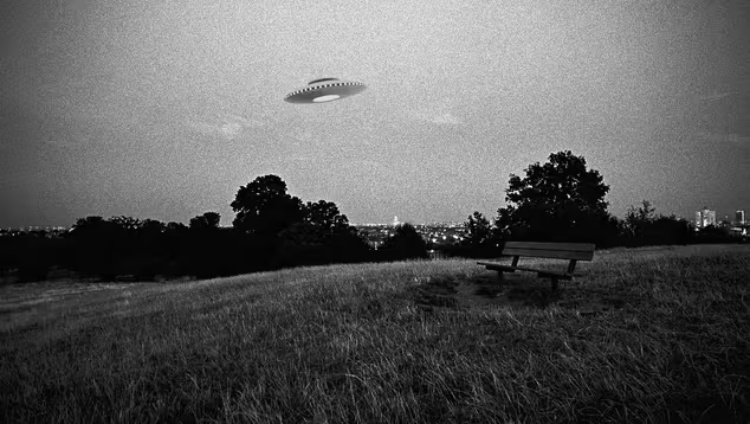
The term UAP has increasingly replaced “UFO,” expanding the definition beyond the popular image of “flying saucers” to include a wider range of unexplained aerial events. This transition has coincided with the declassification of several U.S. military videos, including the widely discussed “Tic Tac” footage released by the Pentagon. The video, recorded by Navy pilots, shows an object exhibiting flight characteristics that have yet to receive a publicly confirmed explanation.
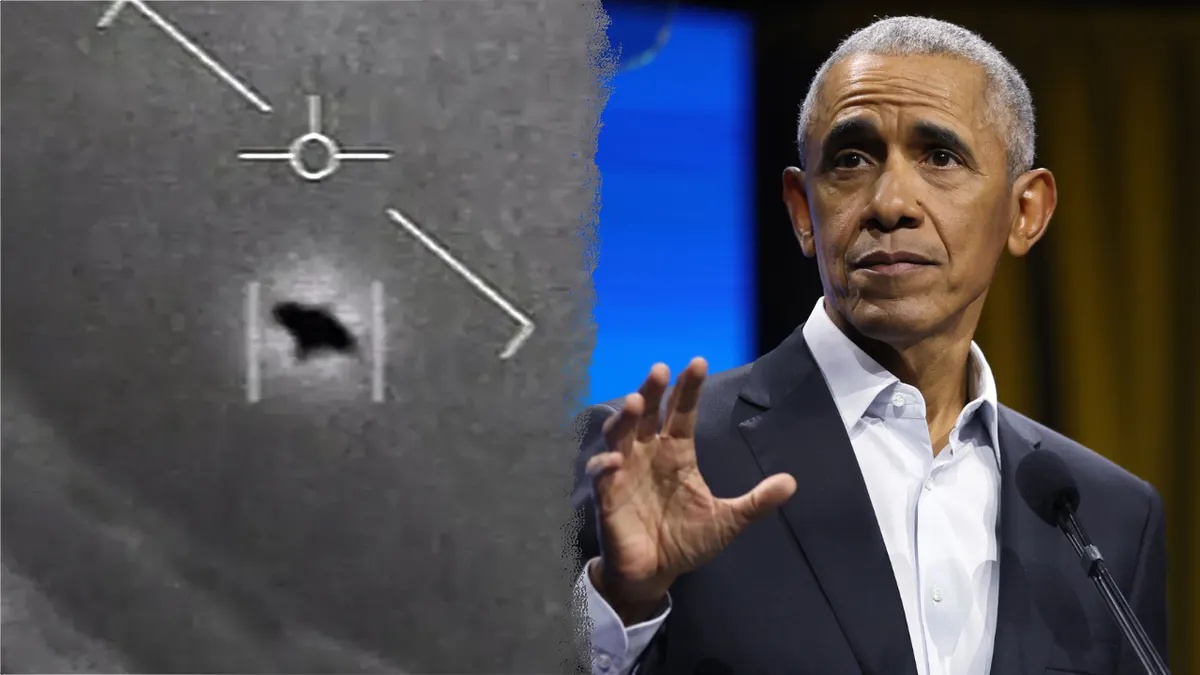
Former U.S. President Barack Obama has publicly acknowledged that there are documented objects observed by military personnel that remain unexplained. While he did not confirm extraterrestrial origins, his remarks contributed to the normalization of open discussion about unidentified aerial events.
Scientific curiosity surrounding UAP has grown alongside advancements in technology. Artificial intelligence is now being used to reexamine decades-old astronomical photographs, with some researchers reporting anomalies such as transient light patterns or unexplained movements in archival sky images. These findings remain under analysis and have not led to definitive conclusions.
The so-called “Tic Tac” case has drawn particular attention due to reported flight characteristics described by military witnesses. Some estimates discussed in documentaries and media analyses suggest that if the observed maneuvers were accurate, the object would have experienced extremely high acceleration forces. However, experts caution that without full sensor data and verified measurements, such figures remain hypothetical interpretations rather than established scientific fact.
Another area of interest involves materials reportedly associated with certain aerial sightings. In at least one historical case, fragments of metallic debris were analyzed using spectroscopic techniques. While some reports described unusual compositional features, independent verification and peer-reviewed publication are essential before drawing firm conclusions.
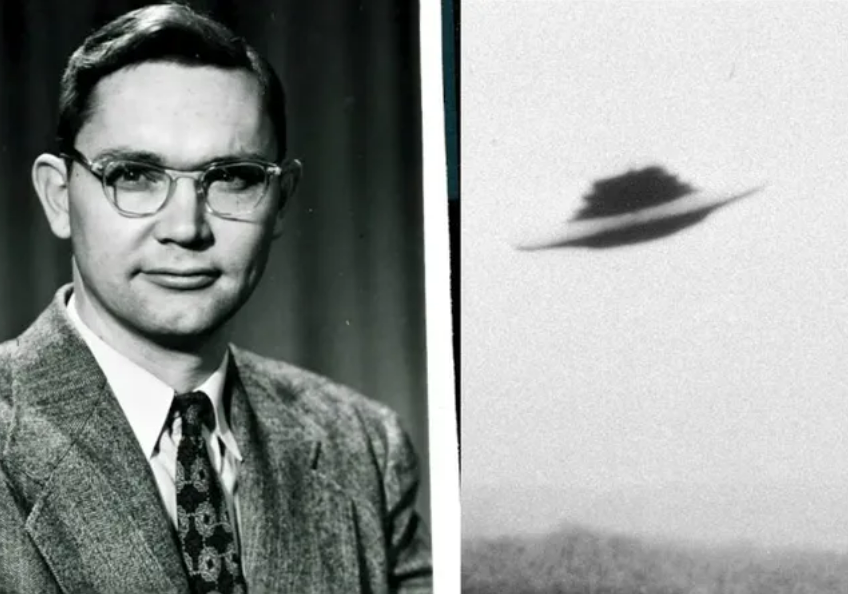
The evolution of UAP research also invites reflection on the experiences of earlier scientists who attempted to study the phenomenon. One frequently cited figure is James E. McDonald, a physicist and meteorologist at the University of Arizona during the 1960s. McDonald argued that some aerial sightings deserved serious scientific investigation rather than dismissal.
At the time, public and academic skepticism toward UFO research was widespread. Engagement with the subject was often viewed as professionally risky. McDonald participated in congressional hearings and public debates, advocating for systematic data collection and analysis. His position was not that all sightings indicated extraordinary explanations, but that unexplained cases warranted methodical study.
In 1971, McDonald died at the age of 51. His death was ruled a suicide. Historians note that he faced professional pressures and personal struggles in his later years, though accounts vary regarding the extent to which his research interests contributed to those challenges. Scholars emphasize the importance of addressing such histories with care, avoiding simplified narratives about cause and effect.
Today, official UAP research programs have been established in several countries, including the United States. These initiatives focus on assessing potential national security implications and improving data collection standards. Importantly, most government reports released to date have stated that while some cases remain unexplained, there is no confirmed evidence of non-human origin.
Experts in aerospace engineering and atmospheric science stress that “unidentified” does not automatically mean extraordinary. Many sightings are ultimately attributed to sensor limitations, atmospheric effects, drones, balloons, or classified technologies. Nonetheless, a small percentage of cases remain unresolved due to insufficient data.

Media coverage and documentaries have played a significant role in reshaping public perception. Where earlier decades often framed the topic as fringe, current discussions tend to emphasize transparency, data analysis, and technological advancement.
Researchers underscore that scientific progress depends on careful methodology rather than dramatic conclusions. As Dr. Linda Marshall, an aerospace analyst interviewed in a recent documentary, explained: “The responsible approach is neither blind belief nor automatic dismissal. It is structured investigation.”
The renewed interest in UAP research reflects broader changes in how science engages with anomalous data. Advances in radar systems, satellite imaging, and machine learning provide tools that were unavailable to earlier generations of researchers.
While questions remain, the contemporary conversation centers less on sensational claims and more on data-driven inquiry. Whether future research will resolve longstanding mysteries or simply refine current understanding remains uncertain. What is clear is that the study of unexplained aerial phenomena has moved from cultural taboo to an area of formal, if cautious, scientific attention.