World War II “Foo Fighters” Reports Continue to Intrigue Historians and Aviation Experts
- ThanhHuyen
- March 5, 2026
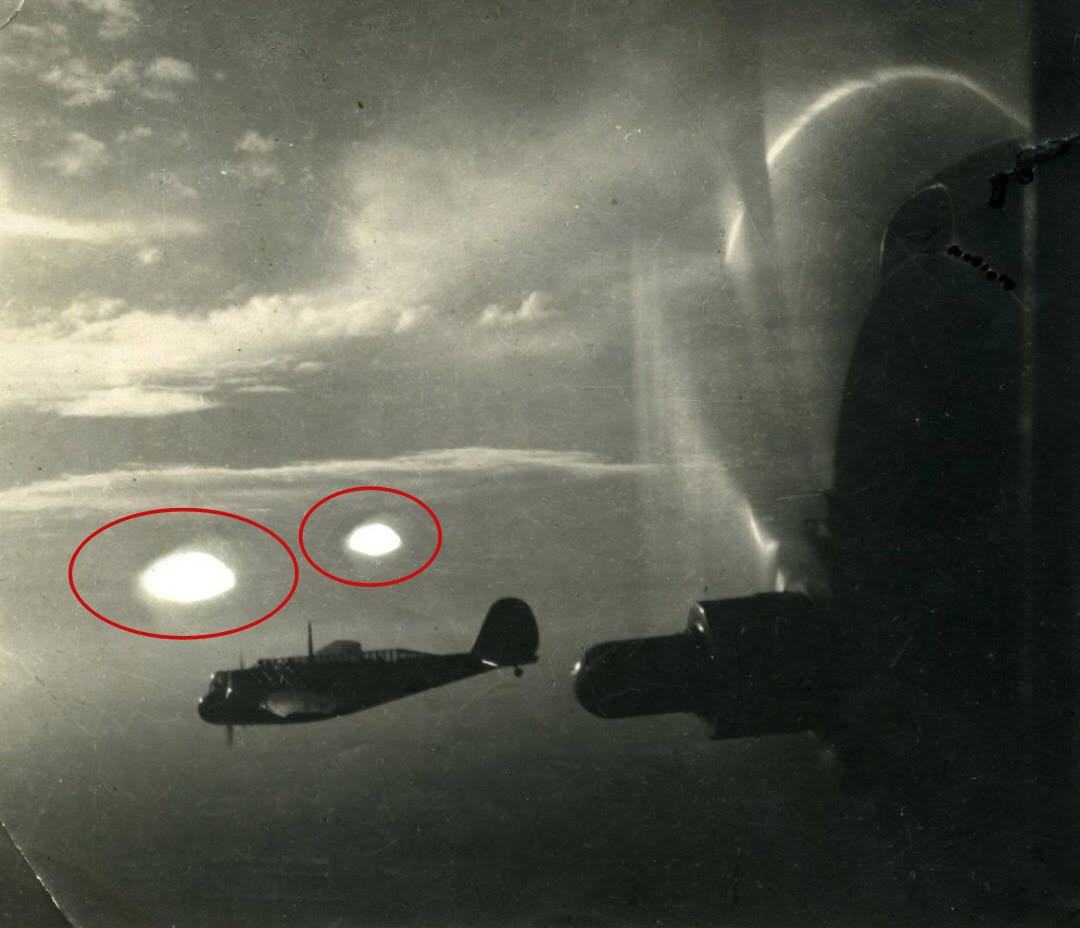
During World War II, Allied pilots flying dangerous night missions over Europe and the Pacific began reporting unusual glowing objects in the sky. The mysterious lights, later nicknamed “Foo Fighters,” were described as bright spheres or fiery orbs that followed aircraft at high speeds and performed sharp maneuvers that seemed beyond the capabilities of 1940s aviation technology.
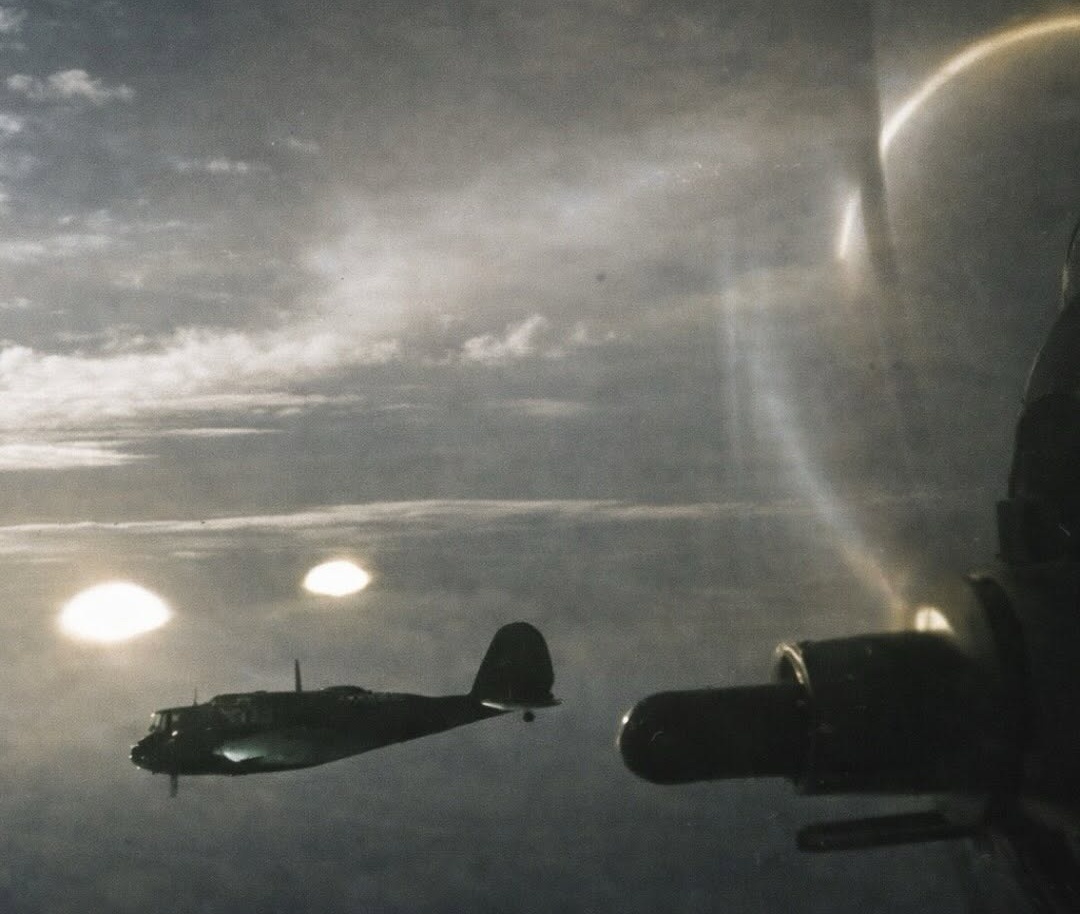
The term was popularized by members of the U.S. Army Air Forces’ 415th Night Fighter Squadron. According to archived mission reports, pilots observed the objects pacing their planes, hovering off their wings, and then vanishing abruptly. Although the lights did not appear to engage in direct attacks, their ability to keep up with military aircraft raised serious concerns.
At the time, Allied commanders feared the phenomenon might represent advanced enemy weapons. Intelligence officers investigated whether Germany or Japan had developed secret aerial devices designed to track or disrupt aircraft. However, postwar analysis of captured records revealed no evidence of such technology.
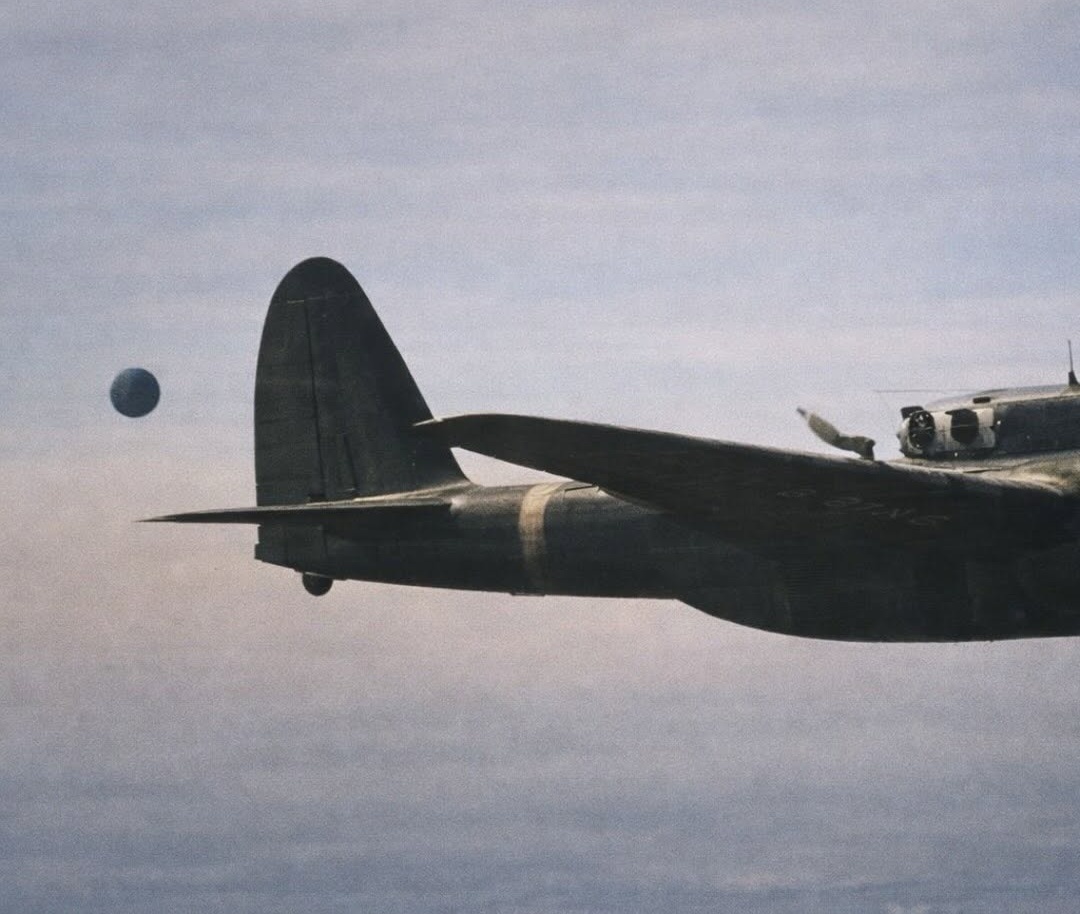
Historians note that the reports came from trained military aviators accustomed to identifying aircraft under challenging conditions. Many of the sightings occurred during clear weather and were witnessed by multiple crew members, adding credibility to the accounts.
Over the years, experts have proposed natural explanations. Some suggest atmospheric electrical phenomena, such as St. Elmo’s fire or ball lightning, while others argue that visual illusions during high-stress night flights could explain the encounters. Still, no single theory has fully accounted for all reported details.
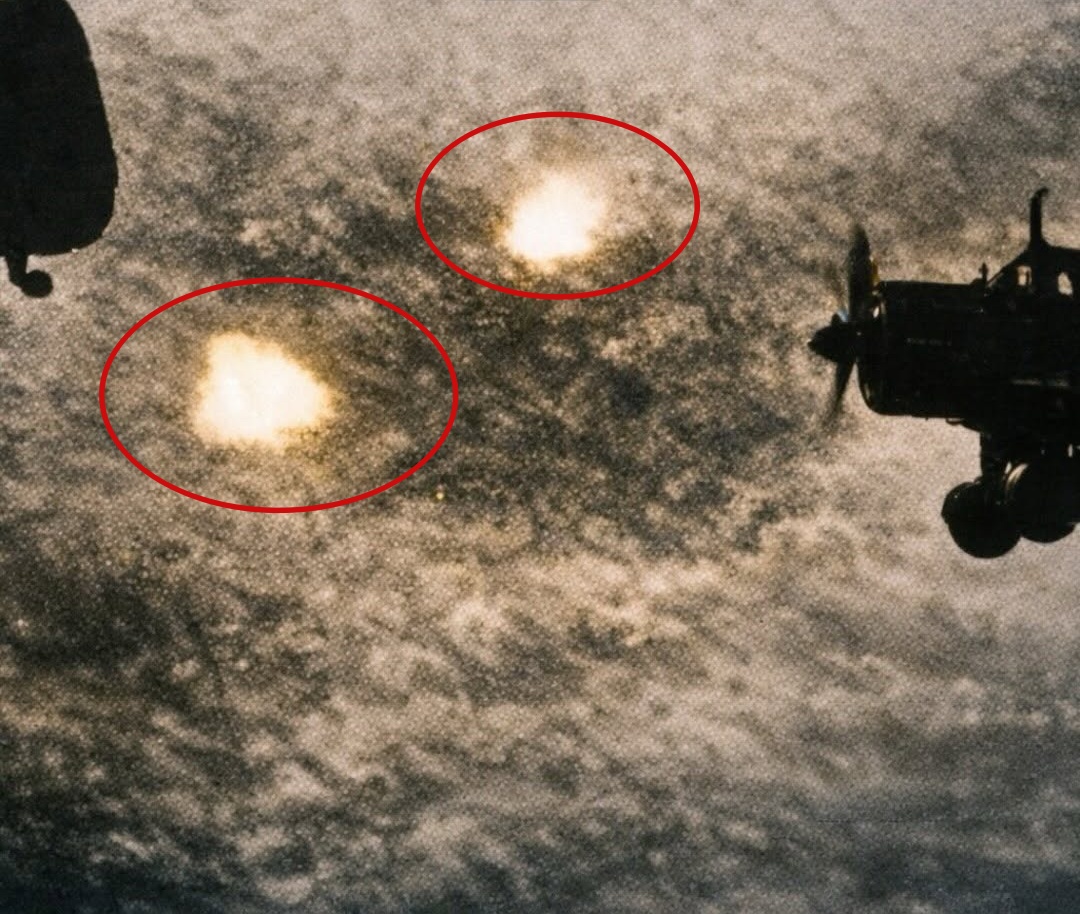
More than eight decades later, the Foo Fighter incidents remain one of the earliest documented cases of unexplained aerial phenomena reported by military personnel. Whether caused by rare atmospheric effects, misidentification, or another unknown factor, the mystery continues to capture the attention of researchers and aviation historians alike.