Iran Under Siege: Kurdish Incursion and Regional Escalation Deepen Tehran’s Crisis
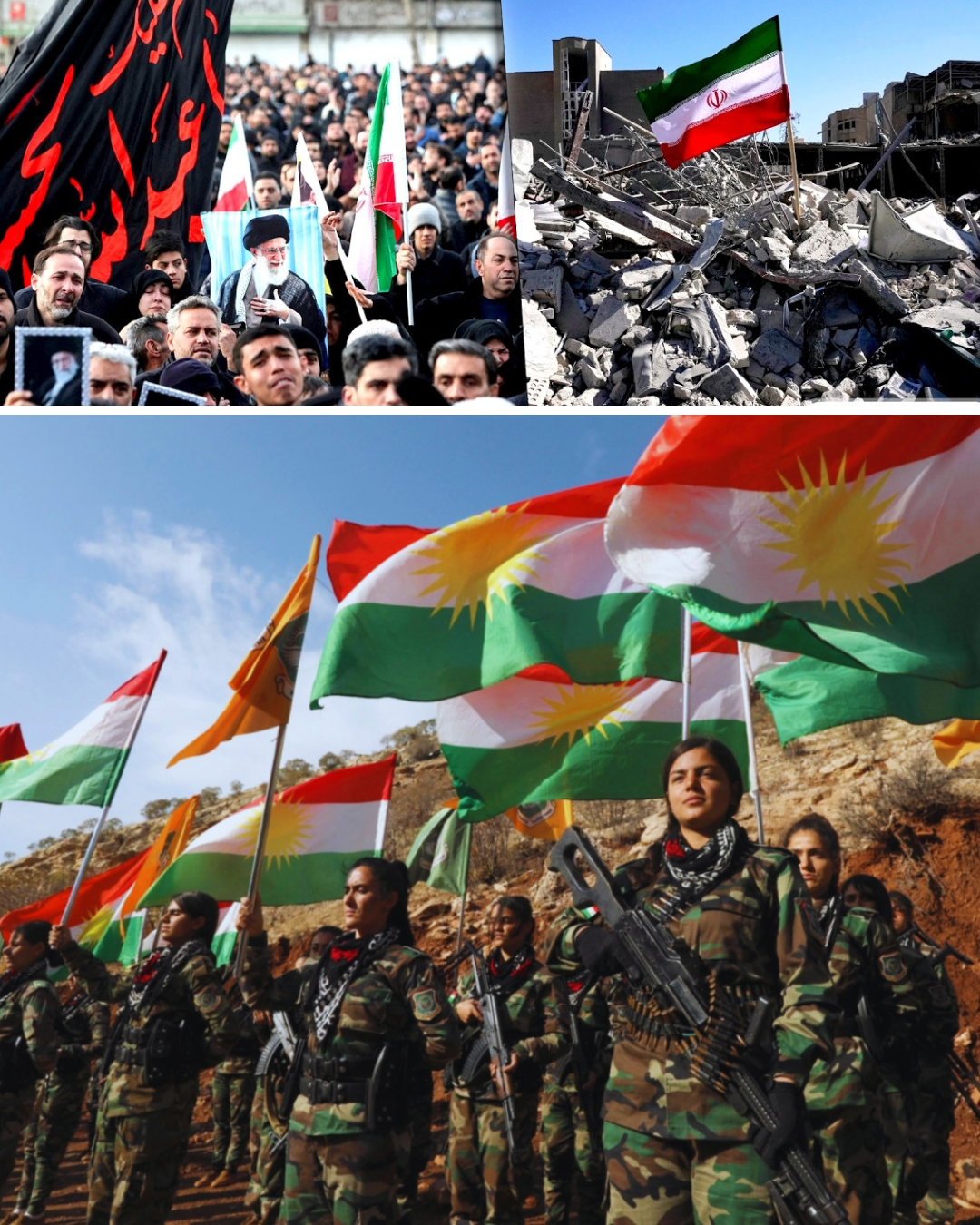
TEHRAN / DOHA – The Islamic Republic of Iran is facing a “geopolitical earthquake” as thousands of disciplined Kurdish fighters have reportedly launched a major cross-border incursion from Iraq. This new domestic threat emerges amidst a staggering regional military campaign led by the United States and Israel, which has already decimated the Iranian Navy and sparked unprecedented aerial dogfights over Gulf airspace.
The Kurdish “Second Front” U.S. and Israeli officials confirmed on March 4th that thousands of well-trained Kurdish fighters, operating from bases in Iraq, have crossed into western Iran. Described as the most organized faction of the Iranian opposition, these forces aim to create a multi-front dilemma for the embattled regime in Tehran.
The strategic objective behind this incursion is to compel the Iranian government to divert its elite security and military resources away from major cities, where domestic unrest continues to simmer. By engaging the Revolutionary Guard along the rugged western border, Kurdish leadership hopes to alleviate pressure on internal dissidents and opposition elements, potentially triggering a broader collapse of regime control in the provinces.
Aerial Brinkmanship and Qatari Intervention The regional conflict reached a dramatic apex on March 2nd when the IRGC dispatched two SU-24 tactical bombers toward Qatar’s Al Udeid Air Base—housing 10,000 U.S. troops—and the Ras Laffan natural gas facility. In a historic first, the Qatari Air Force engaged in direct aerial combat, with F-15 fighters intercepting and downing both Iranian bombers just two minutes before they reached their targets.
Qatari Prime Minister Mohammed bin Abdulrahman Al Thani condemned the “dangerous escalation,” accusing Tehran of attempting to drag neighboring states into a conflict not of their making. This sentiment is shared across the Gulf, as Iranian retaliatory strikes involving over 400 ballistic missiles and 1,000 drones have targeted infrastructure in the UAE, Bahrain, and Saudi Arabia, causing significant damage to luxury hotels and shopping malls in cities like Dubai and Manama.
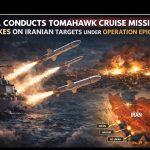
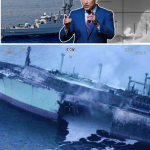
The Fall of the Iranian Navy Simultaneously, U.S. Central Command (CENTCOM) has announced the near-total neutralization of Iran’s maritime power. Vice Admiral Brad Cooper confirmed that “Operation Epic Fury” has resulted in the destruction of 17 Iranian vessels, including the regime’s most advanced submarine. “Today, there is not a single Iranian ship operating in the Persian Gulf, the Strait of Hormuz, or the Gulf of Oman,” Cooper declared, adding that U.S. B-2 and B-1 bombers are conducting missions across Iran with virtually no resistance.
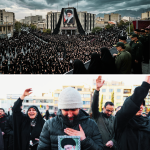
A Nation in Mourning and Chaos The internal situation in Iran remains critical following the death of Supreme Leader Ayatollah Ali Khamenei during initial joint airstrikes on February 28th. While the government has declared 40 days of national mourning, thousands have taken to the streets in Tehran and Isfahan, demanding immediate military retaliation against Washington and Tel Aviv.
With over 50,000 U.S. troops and 200 combat aircraft engaged in a 24/7 campaign, and now a significant ground threat from Kurdish militants in the west, Tehran faces its most existential challenge in decades. The convergence of domestic insurgency and overwhelming external military pressure suggests that the regional map of the Middle East may be on the verge of a permanent and violent transformation.