Regional Turmoil: Iran Postpones Khamenei’s Funeral Amid Intensifying Military Pressure
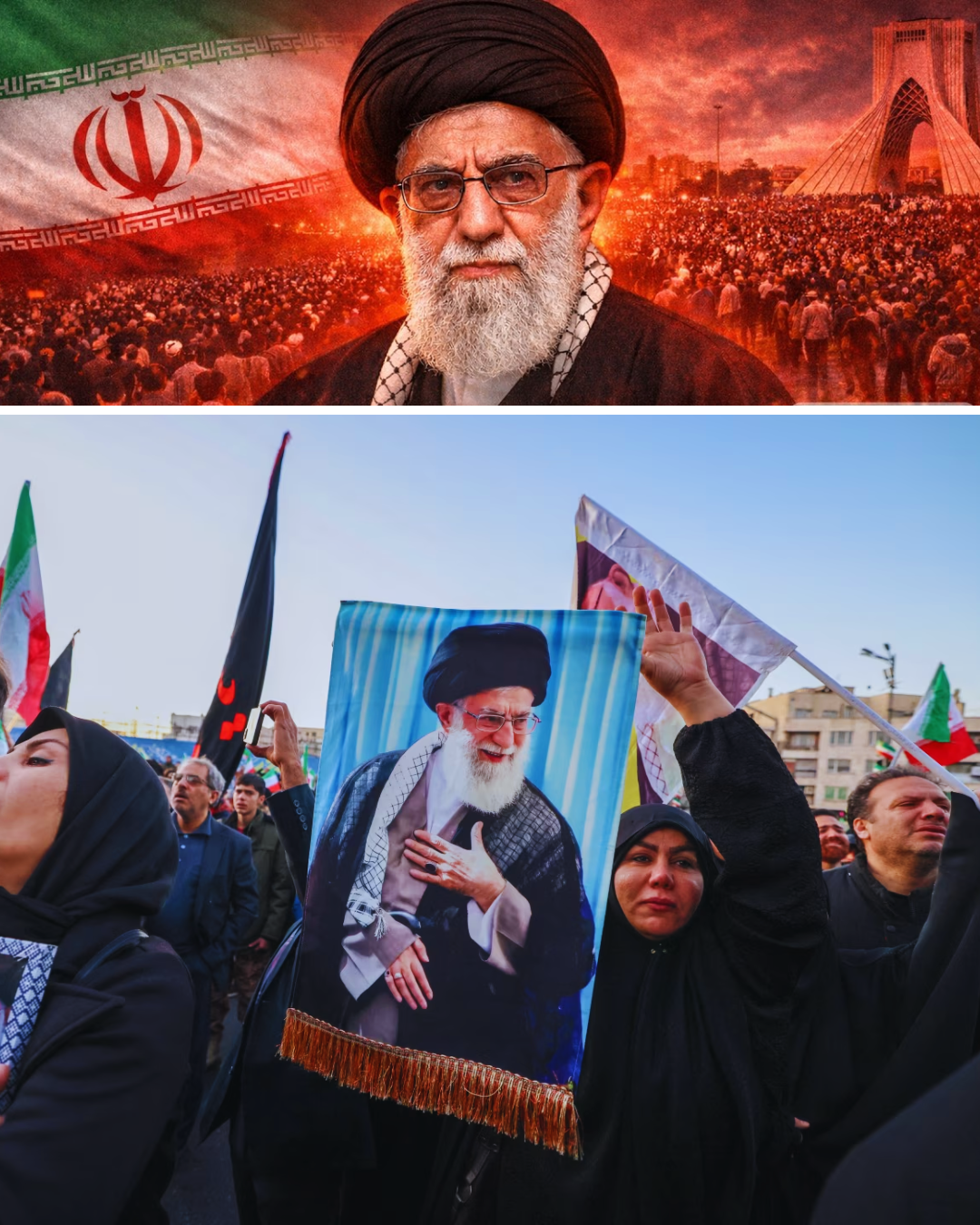
TEHRAN / WASHINGTON – The Iranian government has announced a last-minute postponement of the state funeral for Supreme Leader Ayatollah Ali Khamenei, originally scheduled for the evening of March 4. Official state media cited an “unprecedented and overwhelming” expected turnout as the primary reason for the delay, though the move comes as U.S. and Israeli military forces continue to mount relentless pressure on Tehran’s strategic infrastructure.
A Leadership Vacuum Amidst Conflict Ayatollah Ali Khamenei, who has held supreme authority over Iran’s political and military apparatus since 1989, passed away on February 28 following intensive joint airstrikes by the United States and Israel. His death has left a significant power vacuum in a nation already reeling from a week of escalating conflict. While Tehran prepares for a 40-day period of national mourning, the postponement of the funeral underscores the logistical and security challenges facing a regime under siege.
Iranian Foreign Minister Abbas Araghchi condemned the ongoing strikes, accusing U.S. President Donald Trump of undermining diplomacy and acting against the interests of the American people. Concurrently, the Iranian Ministry of Foreign Affairs warned members of the European Union against “standing on the wrong side of history” by supporting what Tehran describes as acts of aggression.
Systematic Degradation of Iranian Power On the battlefield, the conflict has entered its sixth day with increasing intensity. Reports of explosions have surfaced in both Tehran and Jerusalem. The Israel Defense Forces (IDF) confirmed that their latest targets include Iranian leadership offices and security installations. In a notable aerial engagement, an Israeli F-35 stealth fighter reportedly downed an Iranian Yak-130 combat trainer over Tehran, signaling Israel’s growing air dominance.
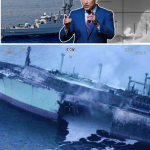
U.S. Central Command (CENTCOM) has revealed the sheer scale of the military engagement. Since the outbreak of hostilities, Iran has launched over 500 ballistic missiles and approximately 2,000 drones across the region. In response, the U.S. has conducted strikes on nearly 2,000 targets. Admiral Brad Cooper, Commander of CENTCOM, stated that “Operation Epic Fury” has successfully neutralized the Iranian Navy, confirming the destruction of 17 vessels, including Tehran’s most advanced submarine.
A Broadening Coalition The conflict is no longer confined to the primary belligerents. Gulf nations, which have primarily focused on defensive measures such as intercepting incoming Iranian munitions, are reportedly considering a more offensive role. Shrapnel and debris from interceptions have already caused fires and damage to luxury infrastructure in Dubai, Bahrain, and Qatar, prompting a shift in regional security perceptions.
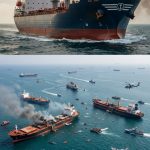
The Trump administration has mobilized over 50,000 troops and 200 combat aircraft, describing the campaign as the largest concentration of American military firepower in the region in a generation. With B-2 and B-1 strategic bombers conducting non-stop operations, Washington aims to permanently dismantle Iran’s nuclear ambitions and its ability to threaten maritime trade in the Strait of Hormuz.
The Path Ahead As the military campaign enters its second week, the IDF expects to target thousands of additional government and military sites. The systematic degradation of the Iranian regime’s capabilities remains the core objective of the joint U.S.-Israeli operation. For Tehran, the challenge is two-fold: managing the internal transition of power following Khamenei’s death while attempting to withstand an onslaught that has already paralyzed its naval and air defense capabilities.
The global community remains on high alert as the Middle East stands at a historic crossroads, with the eventual outcome of “Operation Epic Fury” likely to redefine regional security for decades to come.