Overview of the US-Iran Conflict: “Fiery Fifth Day” and Washington’s Declaration of Airspace Control
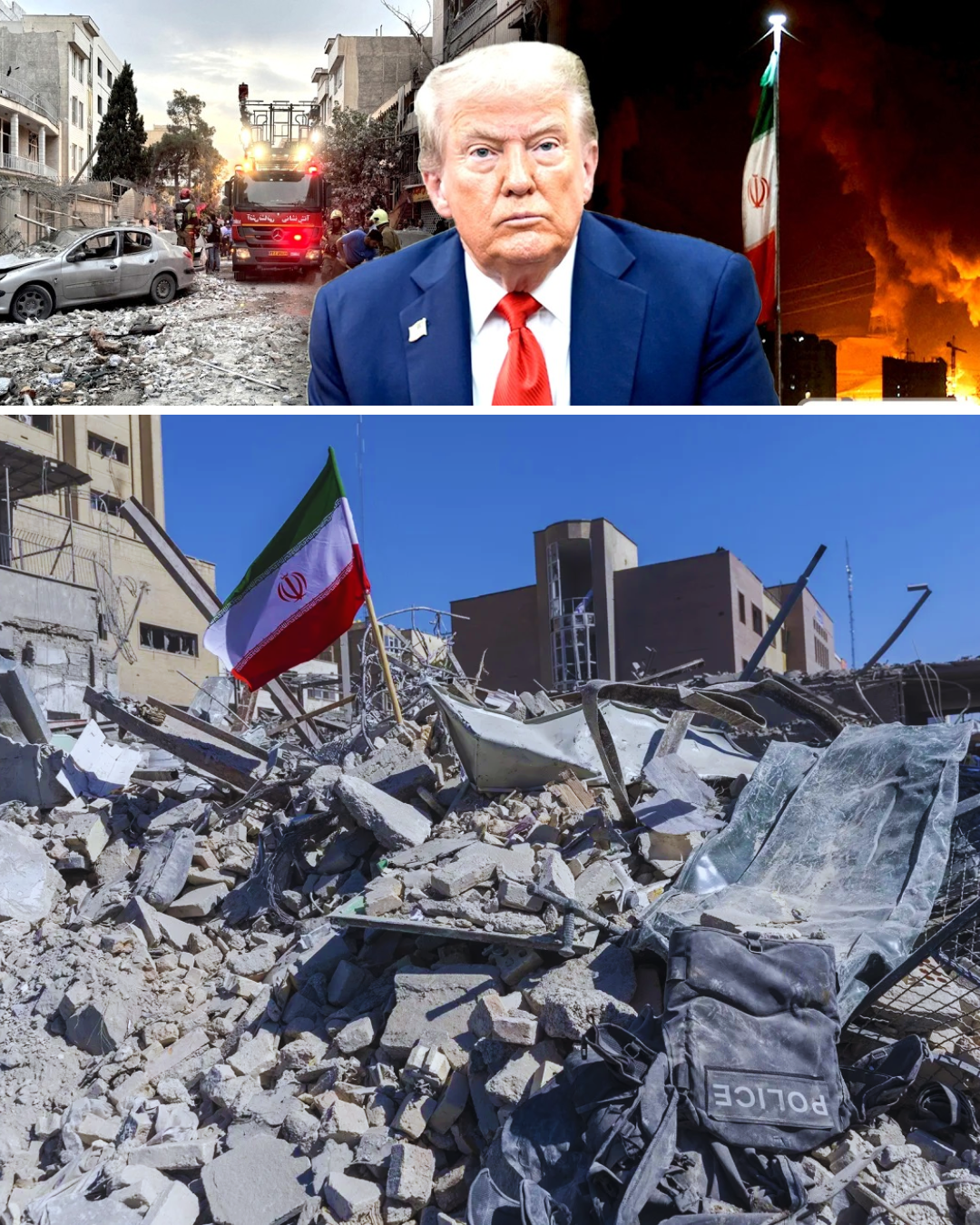
WASHINGTON / TEHRAN – The situation in the Middle East continues to escalate dramatically as the joint US-Israeli military operation against Iran enters its fifth day. In the latest developments, President Donald Trump has offered confident assessments of the operation’s effectiveness, while US military forces are tightening the noose to completely control Iranian airspace.
President Trump: “15 out of 10”
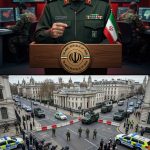
Speaking at the White House on March 4, President Donald Trump expressed absolute satisfaction with the progress of Operation “Epic Fury.” He affirmed that the US position is now very strong and the Iranian leadership is rapidly disintegrating after Supreme Leader Ali Khamenei was assassinated on the first day of the operation.
“We’re doing very well. If the scale were 10, I would give this operation 15 points,” President Trump declared. He stressed that Tehran’s ballistic missile arsenal was being wiped out and the operation would continue until the nuclear weapons threat from Iran was completely eliminated.
Air Combat Over Qatar and Damage in the Gulf
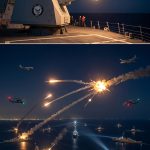
An unprecedented development occurred when Iran deployed two Su-24 tactical bombers targeting the US Al Udeid base and the Ras Laffan gas facility in Qatar. However, Qatari F-15s were scrambled and shot down both aircraft just two minutes from their targets. This was the first time the Qatar Air Force had engaged in direct air combat since the conflict broke out.
In response to the airstrikes, Iran launched more than 500 ballistic missiles and 2,000 unmanned aerial vehicles (UAVs) targeting neighboring countries that support the U.S.. In Dubai and Bahrain, debris from intercepted missiles caused fires in luxury areas such as Palm Jumeirah Island and damaged the Crowne Plaza hotel in Manama. The chaos led to schools in the UAE switching to online learning and many international flights being canceled.
Wipe Out the Iranian Navy and Military Overwhelm
Admiral Brad Cooper, Commander of the U.S. Central Command (CENTCOM), confirmed that U.S. forces destroyed a total of 17 Iranian warships, including the country’s most modern submarines. “There are now no Iranian ships operating in the Persian Gulf or the Strait of Hormuz,” Admiral Cooper asserted.
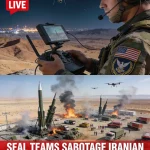
With the involvement of over 50,000 troops and 200 fighter jets, including B-2 and B-1 strategic bombers, the U.S. is conducting precision strikes 24/7. The main objective now is to completely cripple Tehran’s command network and wipe out its defense industry base.
Iranian Internal Context
Inside Iran, thousands of people have taken to the streets in Tehran and major cities like Isfahan to commemorate the late leader Khamenei and demand retaliation. The Iranian government has declared 40 days of national mourning and a nationwide lockdown for a week. However, with overwhelming military pressure from outside and the disintegration of the leadership, Tehran is facing existential challenges.