Regional Conflagration: Hezbollah Vows “Last Stand” as Israel Deepens Ground Incursion into Lebanon
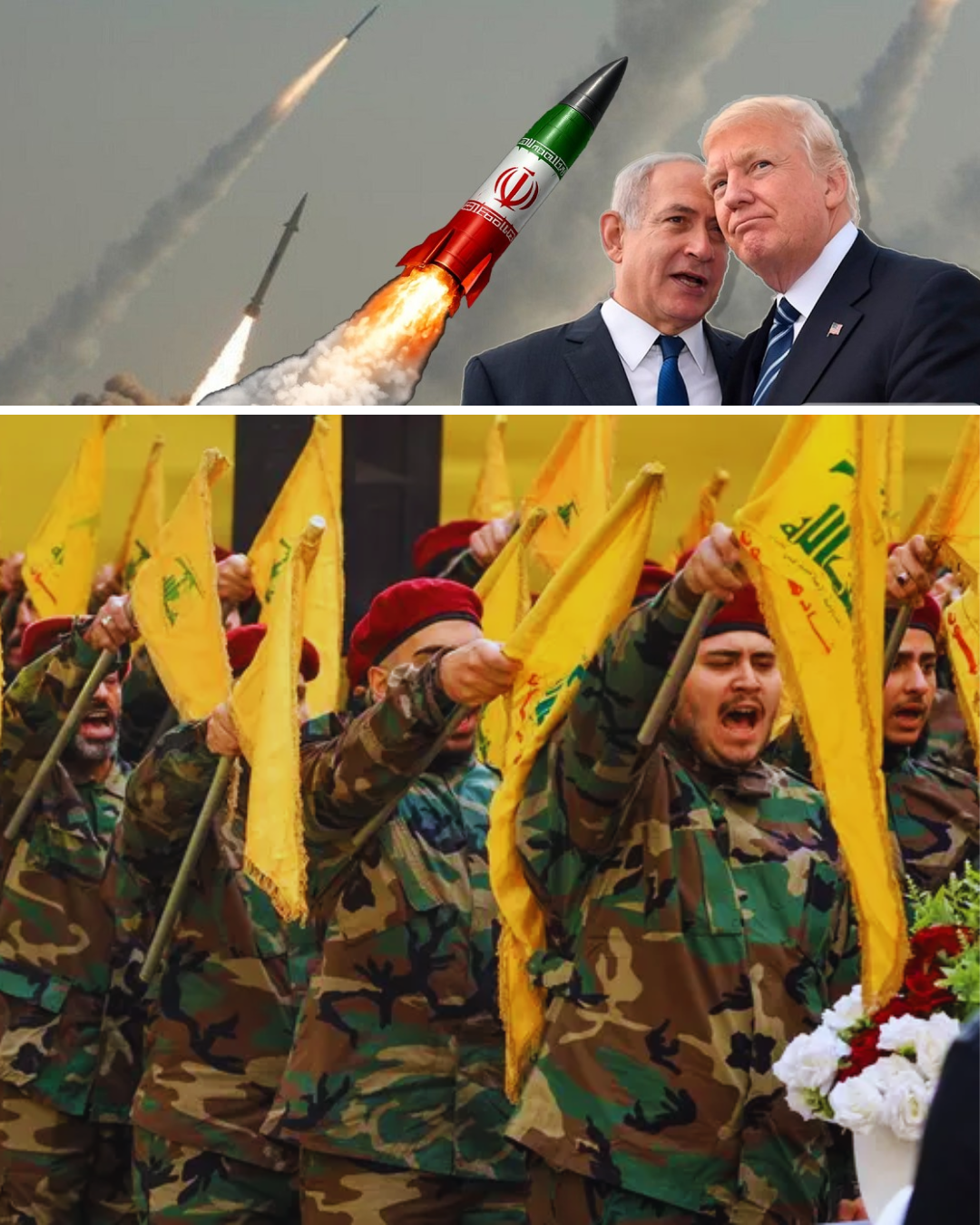
BEIRUT / WASHINGTON – The Middle East has entered a perilous new phase of escalation as Hezbollah’s leadership pledges to fight “until the last breath” in response to intensifying Israeli ground and air operations. Simultaneously, direct military confrontations between Iran and the United States have reached unprecedented levels, with both sides claiming significant strategic victories while the humanitarian toll continues to mount across the region.
Hezbollah’s Defiance Amidst Ground Incursions In his first televised address since the surge in hostilities on October 1st, Hezbollah leader Naim Qassem adopted a posture of absolute defiance. Qassem categorically rejected accusations that Hezbollah initiated the current conflict, framing their actions as a “war of survival” and a legitimate response to Israeli and American aggression. Describing the group’s resolve, he emphasized that surrender is not an option, vowing to confront the enemy regardless of the cost.
The Israeli Defense Forces (IDF) have significantly expanded their footprint in Lebanon, launching ground incursions into southern border towns. The humanitarian impact has been devastating; Lebanese authorities report that at least 72 civilians have been killed and over 83,000 residents have been displaced. Tensions have also flared between Hezbollah and the Lebanese government, which recently issued an immediate ban on the group’s military activities and demanded the surrender of its arsenal—a directive Hezbollah has dismissed as a strategic error aligned with Israeli interests.
Escalation on the Litani Front The IDF recently issued urgent evacuation orders for dozens of villages in southern Lebanon, instructing residents to move north of the Litani River. This area, comprising roughly 8% of Lebanese territory, has become the focal point of intense clashes. The evacuation followed a series of overnight airstrikes by Israel targeting the Beirut suburbs and eastern cities like Baalbek. These strikes, often conducted without prior warning, hit residential areas and hotels, resulting in scores of casualties and further straining the nation’s crumbling infrastructure.
The US-Iran Military Exchange Beyond the borders of Lebanon, the conflict has morphed into a direct confrontation between Tehran and Washington. The Islamic Revolutionary Guard Corps (IRGC) claimed to have downed three U.S. fighter jets, including an F-15, near the Iranian border. While the U.S. confirmed the loss of the aircraft, officials attributed the crashes to a “mistake” by local air defenses rather than direct hostile fire.
Conversely, the IRGC asserted that their retaliatory strikes, dubbed “Operation True Promise 4,” have resulted in over 650 U.S. casualties and forced the retreat of the aircraft carrier USS Abraham Lincoln. However, U.S. Central Command (CENTCOM) presented a starkly different narrative. Admiral Brad Cooper stated that U.S. forces have neutralized nearly 2,000 Iranian targets and effectively dismantled the Iranian Navy, claiming that no Iranian vessels remain operational in the Persian Gulf or the Strait of Hormuz.
Gulf Nations Caught in the Crossfire The ripple effects of the war have reached the broader Gulf region. Iran has reportedly launched retaliatory strikes against U.S. military targets and civilian infrastructure in Bahrain, Qatar, and the UAE. Qatari officials have denounced these actions, stating that “all red lines have been crossed” as attacks hit energy facilities and residential hubs. The disruption has caused significant chaos in Dubai and other commercial centers, with commercial flights diverted and schools shifting to remote learning.
US Industrial Mobilization Faced with rapidly depleting stockpiles, the Trump administration has signaled a massive mobilization of the American defense industry. President Trump is scheduled to meet with major contractors, including Lockheed Martin and RTX, to demand a surge in production for precision munitions like Tomahawk missiles. The Pentagon is currently drafting a $50 billion supplemental budget to replenish arsenals exhausted by concurrent conflicts in Ukraine, Gaza, and now Iran.
As the “Epic Fury” and “Lion’s Roar” campaigns continue, the Middle East stands at a historic crossroads. With both sides dug into their positions and diplomatic channels failing to yield results, the region remains on the brink of a total, uncontrollable war.