Epic Fury: U.S. and Israel Intensify Bombardment as Iranian Naval Assets Face Decisive Strikes
COLOMBO / WASHINGTON – The military confrontation between the U.S.-Israeli coalition and Iran has entered a devastating new phase. Over the past 100 hours of “Operation Epic Fury,” a massive aerial and naval campaign has systematically targeted Iran’s strategic infrastructure, resulting in the destruction of over 20 naval vessels and the deployment of more than 5,000 bombs on Iranian soil.
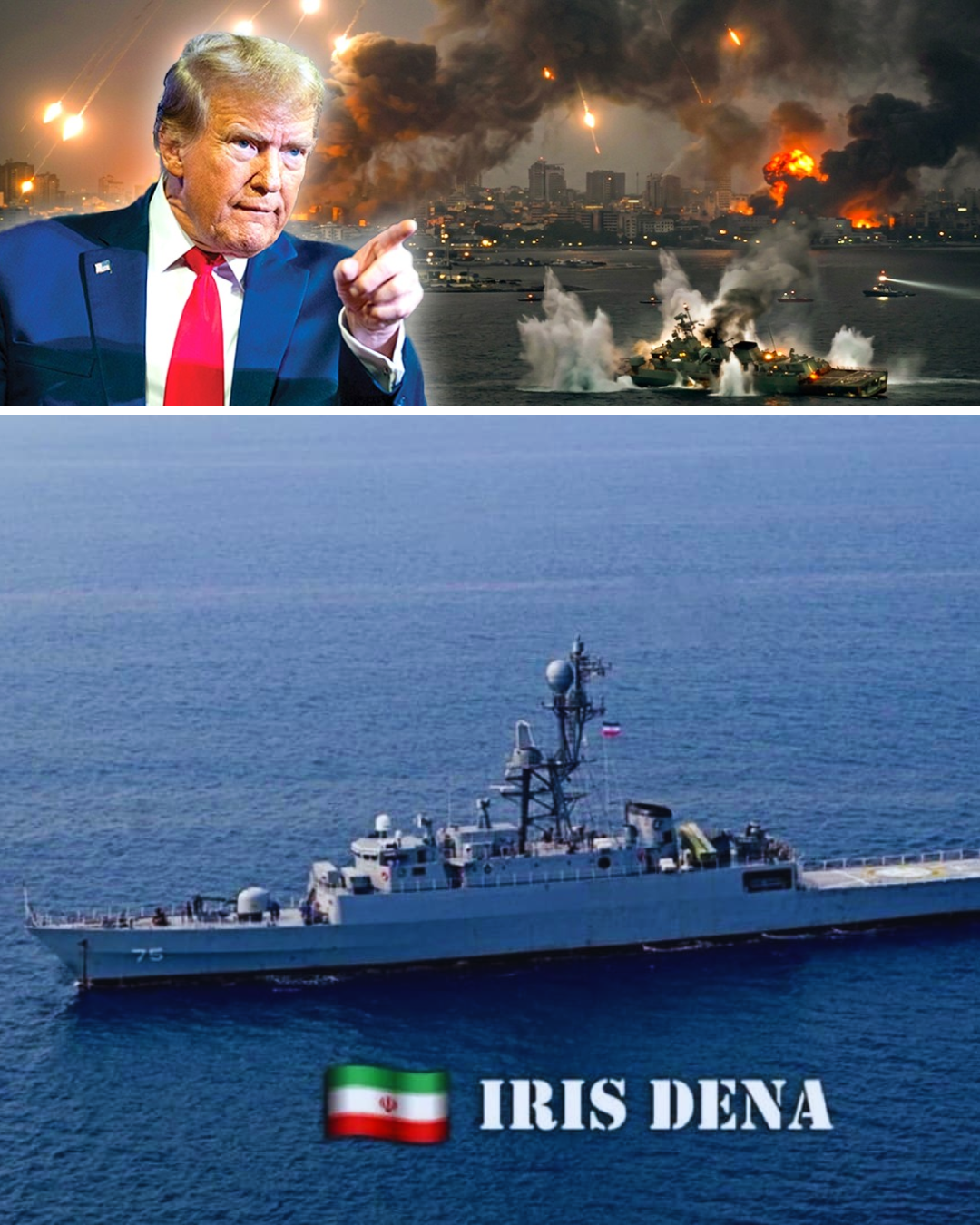
A Historic Naval Engagement In a landmark event for modern naval warfare, a U.S. Navy fast-attack submarine successfully sank an Iranian frigate, the IRIS Dena, in the international waters of the Indian Ocean near Sri Lanka. This marks the first time since World War II that a U.S. submarine has utilized a Mark 48 torpedo to sink an enemy warship in active combat.
U.S. Secretary of Defense Pete Hegseth confirmed the strike, stating that the vessel was not safe even outside regional waters. The Sri Lankan Navy, responding to a distress signal, conducted a search and rescue operation but found only oil slicks and life rafts upon arrival. Out of the 180 personnel reportedly on board, 87 bodies were recovered and 32 survivors were rescued.
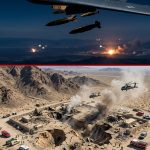
Aerial Superiority and Infrastructure Degradation On the ground, the Israeli Defense Forces (IDF) reported dropping over 5,000 bombs in just five days—a volume of ordnance that surpasses the entire 12-day conflict of June 2025. High-value targets include advanced Iranian air defense systems and the Ghadir-110 ballistic missile batteries at Isfahan, known for their solid-fuel engines and rapid-launch capabilities.
General Dan Kane, Chairman of the Joint Chiefs of Staff, reported that the campaign, now past its 103rd hour, has successfully struck over 2,000 targets. “We have seriously degraded Iran’s air defenses and destroyed hundreds of ballistic missiles, launchers, and drones,” Kane stated, adding that the mission’s primary goal is to permanently strip Tehran of its ability to project military power beyond its borders.
Tehran’s Response and Regional Fallout Tehran has launched a significant retaliatory campaign, firing over 500 ballistic missiles and 2,000 drones at Israel and regional U.S. bases. However, U.S. military leadership claims that the frequency of these launches has dropped sharply as Iranian command and control centers are neutralized. Iranian authorities report at least 1,045 deaths, including civilians, since the onset of the bombardment.
The conflict has also tested regional alliances. Jordan, Bahrain, Saudi Arabia, the UAE, and Qatar have all engaged their defense systems to intercept incoming Iranian munitions. Notably, the Qatari Air Force successfully downed two Iranian bombers, marking their first direct combat intervention in the current crisis.
Political Resistance in Washington In Washington, President Donald Trump’s decision to bypass Congress has met with fierce resistance from Democrats. Senators Tim Kaine and Rand Paul proposed a resolution to curb the President’s war powers, arguing that the strikes were unconstitutional without a formal declaration of war or evidence of an imminent threat. However, the Republican-led Senate narrowly defeated the resolution in a 53-47 vote, affirming the President’s authority as Commander-in-Chief to protect American interests.
The Global Shadow: Ukraine Stiffens Resistance As the world watches the Middle East, the conflict in Ukraine continues to flare. Ukrainian forces reported the destruction of a Russian S-400 “Growler” air defense system in the Belgorod region using precision drones—a significant blow to Moscow’s strategic air shield. Concurrently, Ukrainian strikes on the port of Novorossiysk damaged several Russian naval vessels and oil loading terminals, signaling that the global security landscape remains volatile on multiple fronts.
With Secretary Hegseth declaring that the U.S. is “just getting started,” the Middle East remains on a knife-edge, with the future of Iranian military and political stability hanging in the balance.