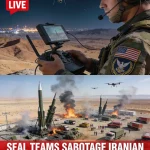
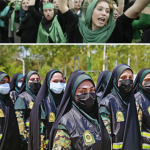
Middle East on the brink of full-scale war: Iran announces shocking casualty figures, US intensifies “Operation Epic Fury”
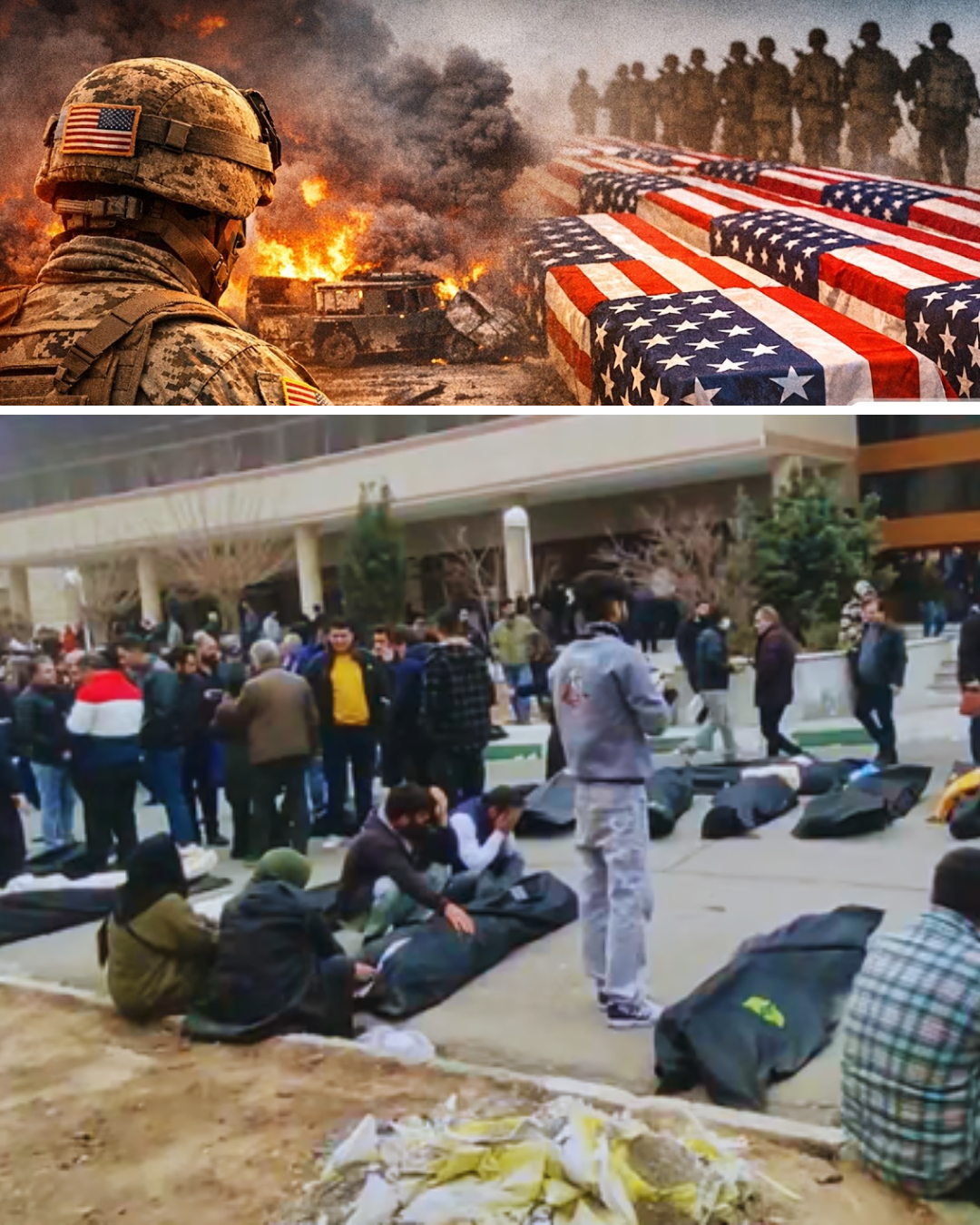
TEHRAN / WASHINGTON – The conflict in the Middle East has entered a new and extremely dangerous phase as casualty reports begin to skyrocket and the conflict spreads across Gulf states. In the latest developments, the Iranian government has released shocking casualty figures, while accusing Washington of pushing the region into an unjust war.
Contrasting casualty figures
Iranian state media quoted the Secretary of the Supreme National Security Council, Ali Larijani, as saying that an estimated nearly 1,050 Iranians have been killed since the US-Israel coalition began its all-out air campaign on February 28. Notably, Tehran claims that more than 500 US soldiers have died in their retaliatory strikes.
However, this figure differs significantly from data from the Pentagon. To date, the US has only officially confirmed 6 soldiers killed and 18 others wounded. In a statement on social media, Larijani sharply criticized President Donald Trump, claiming he is being influenced by Israeli Prime Minister Benjamin Netanyahu and prioritizing Israel’s interests over the lives of American soldiers.
Operation “Epic Fury” and “Lion’s Roar”
The US Central Command (CENTCOM) has just released footage documenting the scale of Operation “Epic Fury.” The video shows destroyers launching Tomahawk cruise missiles, HIMARS rocket artillery systems, and fighter jets from aircraft carriers relentlessly bombarding strategic targets inside Iranian territory.
Israel is also simultaneously conducting Operation “Roaring Lion,” focusing on Tehran’s military facilities and air defense systems. US officials claim this is Washington’s largest concentration of firepower in the region in a generation, aimed at achieving what they call “sustainable peace through overwhelming force.”
Widespread Impact and Nuclear Concerns
The conflict is not limited to the Iran-Israel border but has spilled over into several neighboring countries. Reports indicate that fire has struck civilian areas and luxury infrastructure in the UAE, Qatar, and Bahrain. In Dubai, debris from intercepted missiles fell in the Palm Jumeirah area and Jebel Ali port, causing localized fires. Gulf states, unprepared for drone and ballistic missile attacks, are facing chaos at airports and disruptions to daily life.
One of the most alarming pieces of information came from the International Atomic Energy Agency (IAEA). The agency confirmed damage to two buildings near the Isfahan nuclear complex. Although the IAEA asserted that there was no direct damage to nuclear materials and no risk of radioactive leakage, the presence of explosions near these sensitive facilities is raising concerns about an environmental disaster to an alarming level.
Internal Iranian turmoil
Inside Iran, social tensions are extremely high following news of the death of Supreme Leader Ali Khamenei. Thousands of people have taken to the streets in major cities such as Tehran, Isfahan, and Mashhad to express their outrage and demand immediate retaliation. The Iranian government has declared 40 days of national mourning and a week-long nationwide lockdown.
Despite rumors that President Masoud Pezeshkian was also in danger, Tehran officials quickly denied the claims and asserted his safety, although his current location was not disclosed for security reasons.
With Iran rejecting mediation proposals from Oman and declaring its readiness for a protracted war, coupled with President Trump’s commitment to continuing the campaign until its goals are achieved, the future of the Middle East is more uncertain than ever. The world is holding its breath, watching every military move in what is considered the global “powder keg.”