Middle East Crisis: Iranian Diplomatic Blitz Amidst Hypersonic Strikes and Succession Uncertainty
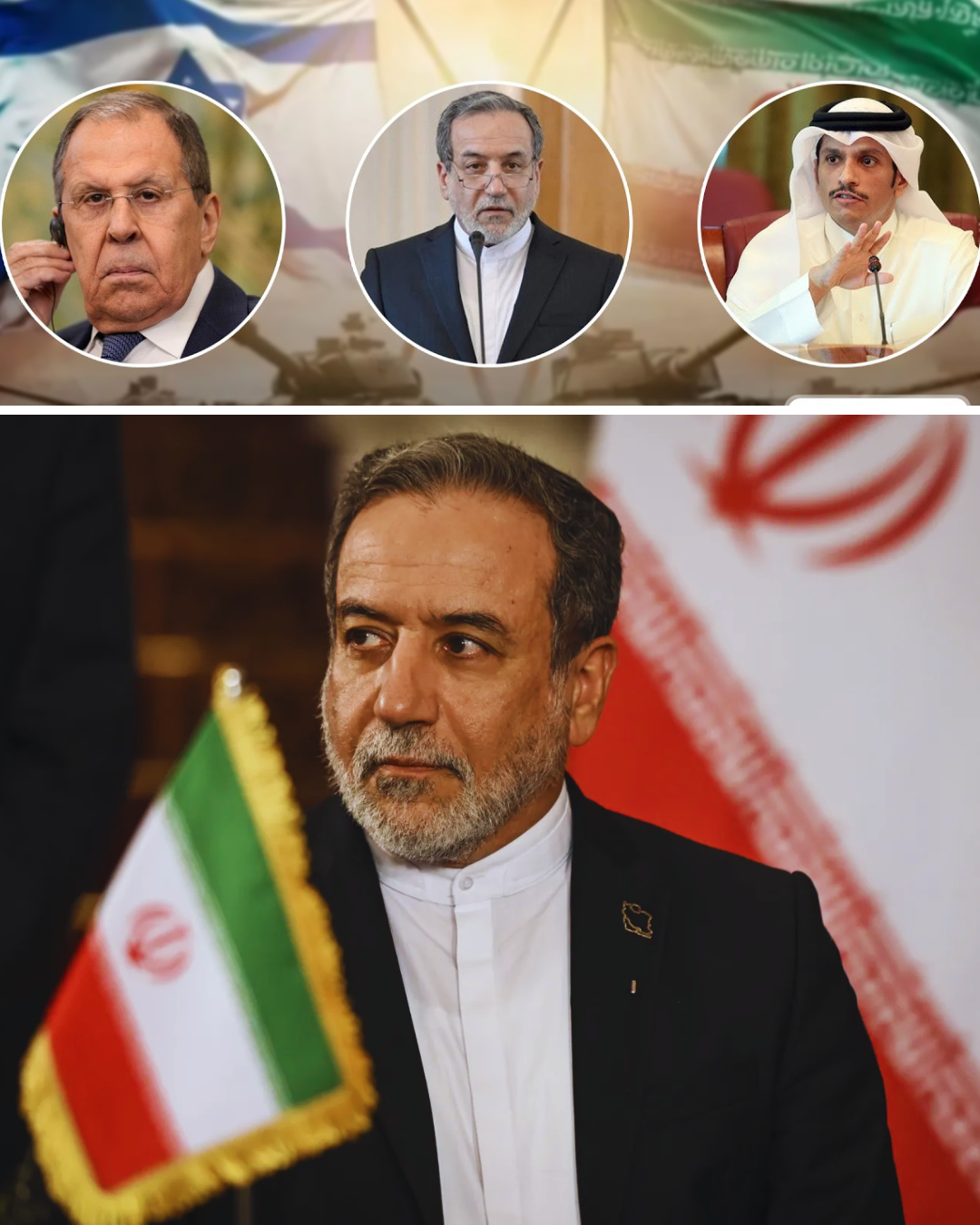
TEHRAN / TEL AVIV — The Middle East has entered a critical phase of both kinetic and diplomatic warfare as Iran’s Foreign Minister, Sayed Abbas Araghchi, launched an urgent diplomatic outreach to global powers, while the Iranian Revolutionary Guard Corps (IRGC) claimed successful hypersonic missile strikes on strategic targets in Israel.
Diplomatic Outreach Amidst Ruins
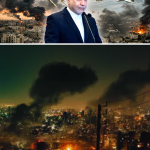
In a series of high-stakes telephone calls on March 4, Foreign Minister Araghchi communicated with his counterparts in Russia, France, and Qatar to address the escalating conflict between Iran, Israel, and the United States. Araghchi detailed the extensive damage caused by the joint U.S.-Israeli strikes that began on February 28, alleging that targets have included residential areas, schools, mosques, and hospitals.
The Iranian top diplomat highlighted the heavy human toll, specifically noting the deaths of Supreme Leader Ayatollah Ali Khamenei and over 175 students. During these discussions, Russian Foreign Minister Sergey Lavrov expressed his condolences and condemned the airstrikes as violations of international law and the UN Charter, warning of grave consequences for global security. Similarly, French Foreign Minister Jean-Noël Barrot characterized the attacks as illegal, while Qatar’s Prime Minister, Mohammed bin Abdulrahman Al Thani, urged Iran to immediately cease strikes on U.S. military bases to protect regional stability.
Hypersonic Escalation: “True Promise 4”
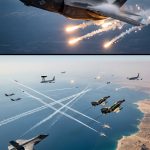
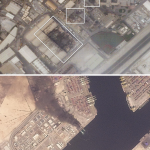
On the battlefield, the IRGC announced the 17th wave of its retaliatory operation, “True Promise 4.” According to the Tasnim News Agency, Iran utilized hypersonic missiles and advanced drones to penetrate U.S.-deployed THAAD defense systems. The IRGC claimed direct hits on strategic targets, including Israel’s Ministry of Defense building and Ben Gurion Airport in Tel Aviv.
In response, the office of Israeli Prime Minister Benjamin Netanyahu described their recent military achievements as “historic.” Israeli officials justified the ongoing offensive—codenamed “Roaring Lion”—by citing signs of Iran rebuilding its nuclear program in new underground facilities and planning imminent attacks on Israeli and U.S. forces. However, the International Atomic Energy Agency (IAEA) has stated it found no evidence of a nuclear weapons drive in Iran.
Succession and the “Unconditional Elimination” Policy
The death of Ayatollah Ali Khamenei has plunged Iran into a political transition. As senior clerics and officials convened to select a successor, Israel issued a stark warning. Defense Minister Israel Katz stated that any leader appointed by Iran would be considered a target for “unconditional elimination,” emphasizing that the IDF is prepared to use all necessary measures to dismantle the Iranian government’s capabilities.
Despite the internal transition, Iran is preparing a three-day national farewell for the late Supreme Leader, scheduled to begin on the evening of March 4 at the Imam Khomeini prayer square in Tehran.
Regional Contagion and Global Mediation
The conflict has rapidly spread across the Gulf, with Iranian retaliation impacting infrastructure in at least six neighboring countries, including the UAE and Bahrain. Luxury hotels, shopping malls, and airports have faced disruptions, leading the UAE government to transition schools to remote learning and cancel numerous international flights.
As the situation worsens, global powers are stepping in to mediate. Chinese Foreign Minister Wang Yi announced that Beijing would send a special envoy to the region to facilitate dialogue. Meanwhile, German Defense Minister Boris Pistorius warned that military force alone cannot resolve the crisis, urging a clear “exit strategy.” As German Chancellor Friedrich Merz arrives in the U.S., the international community remains focused on preventing a total regional collapse and restoring a fragile peace to the Middle East.