US-Venezuela Turning Point: Trillion-Dollar Gold Deal and the Ghost of War Haunting the Gulf
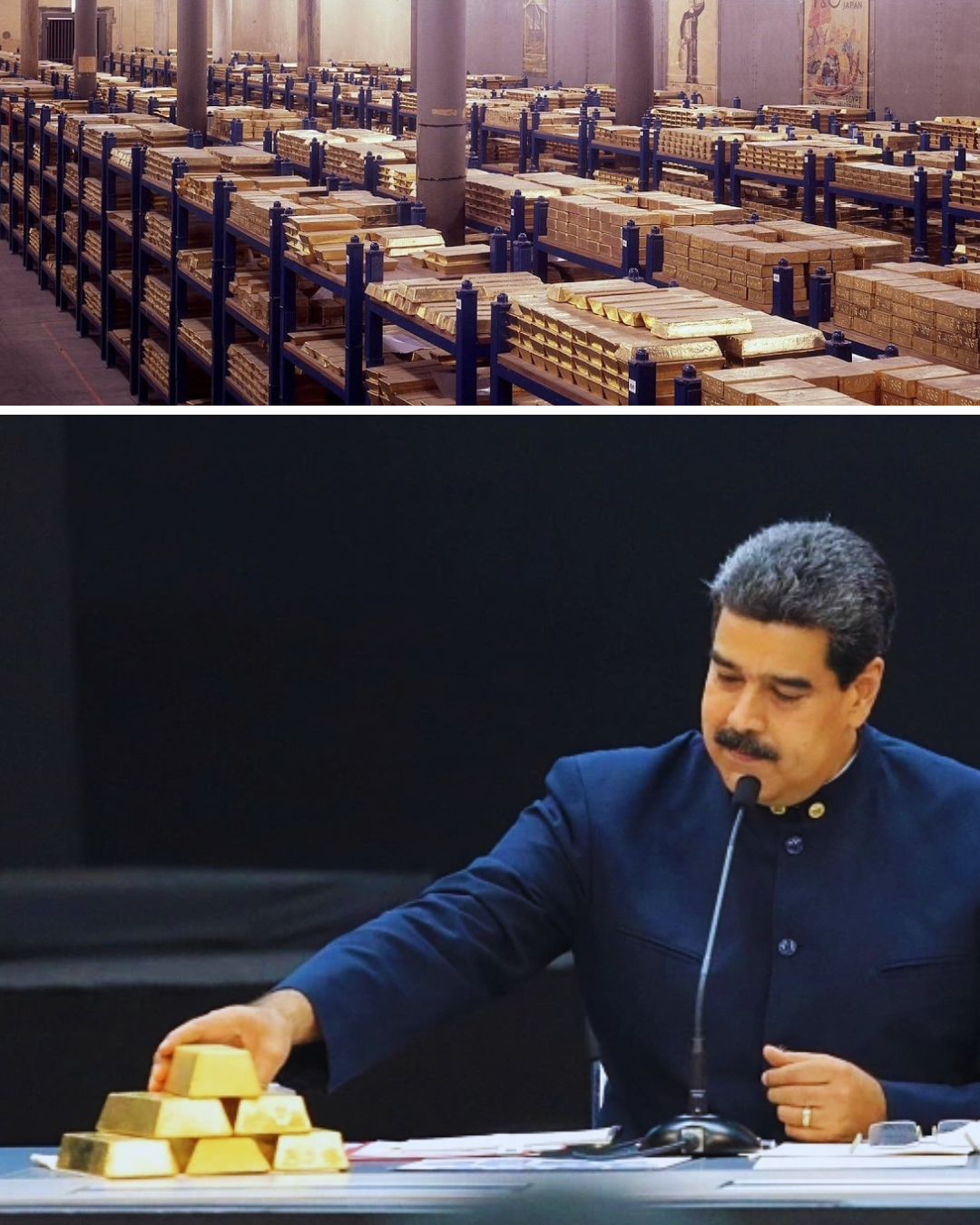
CARACAS / DOHA – While the geopolitical map of the Middle East is being torn apart by air battles and maritime clashes, an unexpected turning point in trade relations has emerged in South America. Venezuela has officially signed an agreement to sell a massive amount of gold to the US market, marking a significant warming in resource relations between the two countries under the supervision of the Washington administration.
The Historic Gold Deal Between Caracas and Washington
Venezuela’s state-owned mining company (Minervén) has signed a multi-million dollar contract to supply between 650 and 1,000 kg of gold ore to the commodity trading group Trafigura. According to sources familiar with the agreement, this gold, after being refined to a 98% purity level, will be shipped directly by Trafigura to factories in the US.
This event coincided with the visit of US Interior Secretary Doug Burgum to Venezuela on March 4th. Burgum not only played a role in promoting gold deals but also held extensive discussions on cooperation opportunities in the oil, gas, and mineral sectors. President Donald Trump publicly praised this cooperation and commended Venezuelan interim President Delcy Rodriguez. In response, Rodriguez announced plans to reform mineral exploitation laws to create a more favorable environment for foreign investors, particularly from the US.
Air Combat Over Qatar: First F-15 Fighter Launch
In contrast to the calm in South America, the Middle East witnessed a serious military clash. On the morning of March 2nd, the Iranian Islamic Revolutionary Guard Corps (IRGC) deployed two Su-24 tactical bombers towards the US Al Udeid air base in Qatar and the Ras Laffan gas processing facility.
When the Iranian aircraft were only two minutes from their target and failed to respond to radio warnings, the Qatari Air Force deployed F-15 fighter jets. As a result, both Iranian Su-24s were shot down and crashed into Qatari territorial waters. General Dan Keen, Chairman of the Joint Chiefs of Staff, confirmed the incident and praised the decisive action of the Qatari forces. This marks the first time in history that the Qatari Air Force has directly participated in air combat, and also the first time Iran has used manned aircraft to attack a neighboring country since the death of its supreme leader.
Maritime and Civilian Infrastructure Damage in the Gulf
On the maritime front, Admiral Brad Cooper, Commander of the U.S. Central Command (CENTCOM), announced a shocking figure: 17 Iranian vessels, including some of the most powerful submarines, have been destroyed since February 28. The U.S. asserts it is working to completely eliminate Tehran’s naval capabilities in the Persian Gulf and the Strait of Hormuz.
However, Iran’s retaliatory missile and UAV attacks have also caused significant damage to the infrastructure of Arab nations. Luxury hotels in Dubai, high-rise apartment buildings, and the Palm Jumeirah resort have been hit by missile debris or directly hit. The UAE government has had to direct schools to online learning and encourage remote work as the region’s skies are constantly illuminated by missile interceptions.
The contrast between resource cooperation in South America and devastating blows in the Middle East paints a highly complex geopolitical picture. While Venezuelan gold is flowing into U.S. reserves, oil and gas in the Gulf are becoming targets of missiles, directly threatening global energy security.