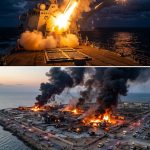
Israel’s Economy Bleeding $3 Billion Weekly as Conflict with Iran Intensifies
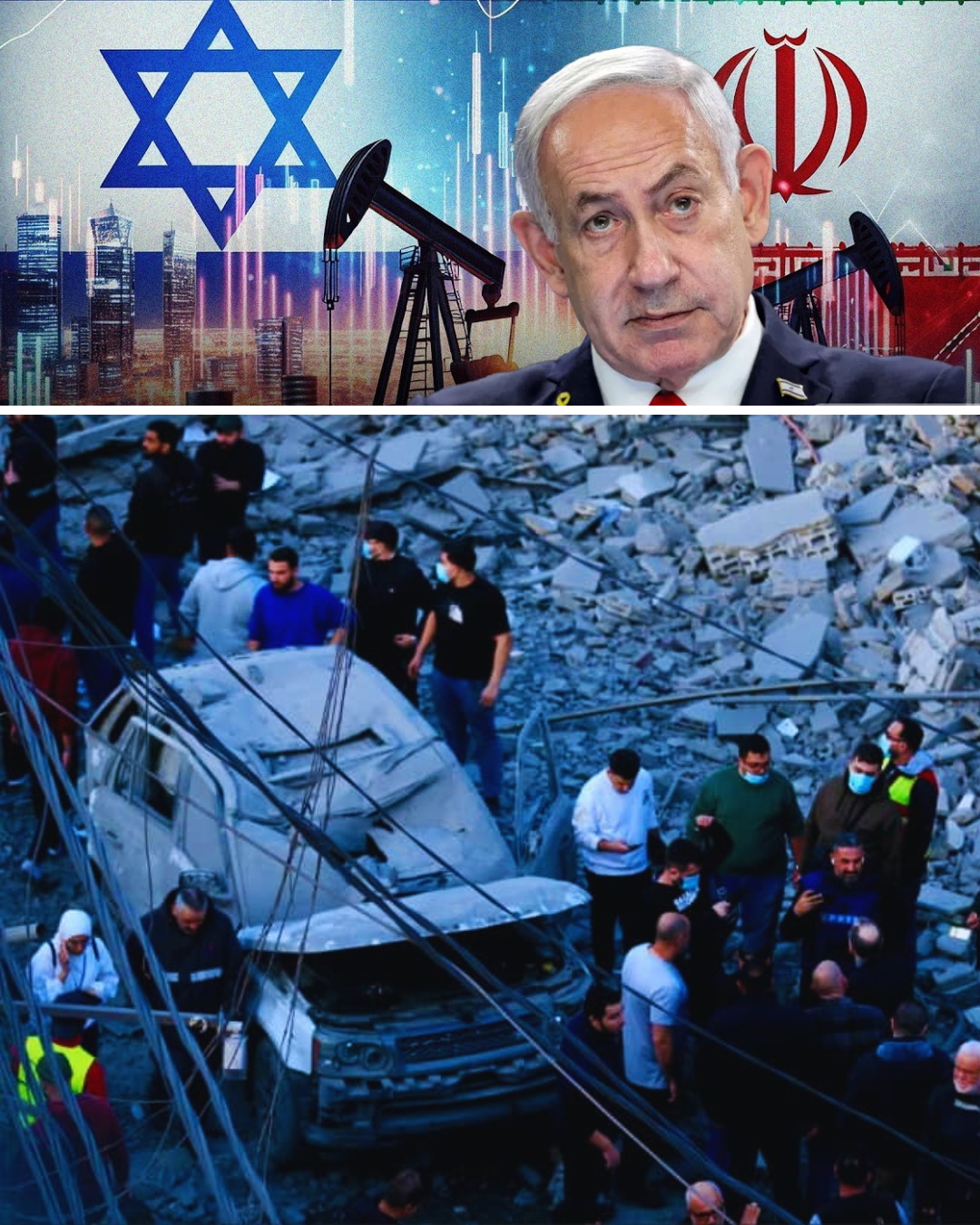
TEL AVIV – The Israeli Ministry of Finance has issued a stark warning regarding the ballooning economic toll of the ongoing conflict with Iran. With the nation currently losing an estimated $3 billion (9.4 billion shekels) per week, government officials are urgently calling for a partial easing of emergency restrictions to prevent a long-term domestic fiscal collapse.
The Economic Gridlock
Since the outbreak of hostilities on February 28, Israel’s Home Front Command has maintained a nationwide “Red Alert” status. These measures have effectively frozen large sectors of the economy, mandating the closure of schools, banning public gatherings, and restricting workplace operations to essential businesses only.
Shlomi Heisler, Director General of the Ministry of Finance, addressed a formal request to the IDF Home Front Command, urging a transition to an “Orange Alert” level. This adjustment would allow non-essential businesses to reopen provided they have access to fortified shelters. “While security remains the priority, the broad closure of the economy is incurring massive costs that we cannot sustain indefinitely,” Heisler warned.
Experts suggest that moving to a limited activity model could slash weekly losses by more than half, bringing the deficit down to approximately $1.5 billion per week. Liron Rozman, CEO of Manpower Group Israel, noted that returning to work also serves as a critical “psychological anchor” for citizens enduring the stress of a multi-front war.
Washington’s “15 out of 10” Confidence
In Washington, President Donald Trump has offered a starkly different assessment of the conflict’s trajectory. During a briefing, the President lauded the efficiency of U.S. and Israeli joint operations, claiming that on a scale of one to ten, the mission’s effectiveness ranks at a “fifteen.”
“Iran’s leadership is disintegrating rapidly, and their missile stockpiles are being erased,” Trump stated. He justified the preemptive strikes by reiterating intelligence claims that Tehran was on the verge of acquiring nuclear weapons, asserting that “terrible things happen when madmen possess nuclear arms.”
White House Press Secretary Karine Jean-Pierre confirmed that the U.S. is currently discussing its post-conflict role in Iran, while Defense Secretary Pete Hegseth predicted that the coalition would soon achieve “total control” over Iranian airspace. However, the administration’s strategy faces pushback from some lawmakers, such as Senator Tim Kaine, who argues that sustained military action requires explicit Congressional approval.
The Ground War Dilemma
Despite the dominance of air power, the shadow of a ground invasion continues to loom. Secretary Hegseth has not ruled out the deployment of ground troops but insisted that the U.S. would not be drawn into an “endless war” like the 2003 Iraq intervention. He dismissed the notion that the U.S. must telegraph its tactical limits to its enemies, emphasizing a strategy of bold and decisive planning.
Military analysts warn that while airstrikes have limited U.S. casualties—currently reported at four deaths—any ground deployment would exponentially increase the risk to American personnel and could potentially lead to a long-term occupation similar to the 20-year conflict in Afghanistan.
The Hormuz Wildcard
Tehran’s most potent remaining strategic card is the potential closure of the Strait of Hormuz. As the gateway for 20% of the world’s maritime oil and gas, any disruption to this narrow passage would send global energy prices into a tailspin.
Already, Brent crude prices have surged 13% to over $82 per barrel. For the American consumer, this translates to an immediate shock at the pump, with gasoline prices projected to jump toward $3.50 per gallon in the coming months. Major shipping firms like Maersk have already suspended transit through the region, opting for the longer and more expensive route around Africa.
While a total blockade would also deprive Iran of its own oil revenue, the mere threat of such an action serves as a powerful lever to unsettle global markets and exert political pressure on the Trump administration ahead of the upcoming midterm elections.