Unverified Missile Claims Raise Tensions Around U.S. Carrier in the Arabian Sea
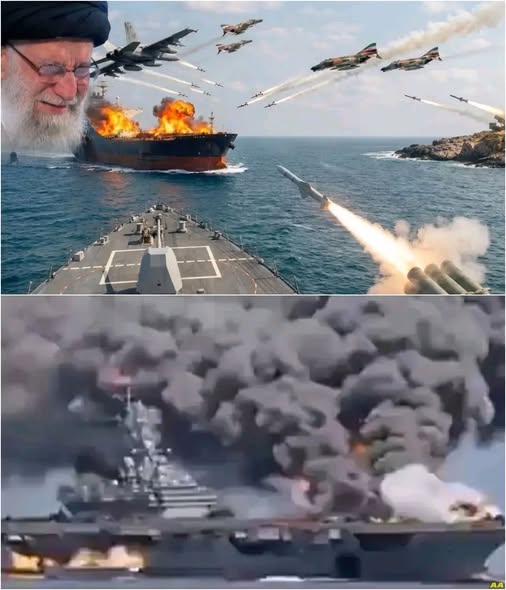
Unverified reports circulating online claim that Iran launched several anti-ship missiles toward the U.S. aircraft carrier USS Abraham Lincoln (CVN-72) in the Arabian Sea. Some posts and viral videos allege the missiles were Russian-designed P-800 Oniks systems and suggest the launch was meant as a show of force during rising regional tensions. However, officials from United States Central Command (CENTCOM) have strongly rejected those claims, stating that the carrier remains fully operational and that no missiles struck or even approached the vessel.
The situation has drawn attention because the USS Abraham Lincoln (CVN-72) is a major component of U.S. naval power in the region, typically operating with escort destroyers, cruisers, and advanced air-defense systems designed to detect and intercept incoming threats. Military analysts note that aircraft carrier strike groups use layered protection — including radar networks, fighter patrols, and missile defenses — making them extremely difficult targets. Even so, rumors of a potential missile launch highlight how quickly tensions and information can spread during periods of geopolitical strain.
Shortly after the reports appeared online, speculation grew that U.S. forces may have conducted follow-up precision strikes against missile infrastructure inside Iran. As of now, neither the United States Department of Defense nor CENTCOM has publicly confirmed such actions or released evidence related to the claims. Without official confirmation, analysts caution that many circulating videos or posts may be outdated, misidentified, or deliberately misleading.

Security experts say incidents like this underscore how information warfare and viral social media posts can amplify uncertainty during international crises. Governments and military observers continue urging reliance on verified statements from official sources while diplomatic channels push for de-escalation. For now, the U.S. maintains that its forces in the region remain safe and fully capable of defending against potential threats, while international leaders call for restraint to prevent further instability.