NATO Increases Ballistic Missile Defense Posture Amid Escalating Iran Tensions
- NgoPhong
- March 6, 2026
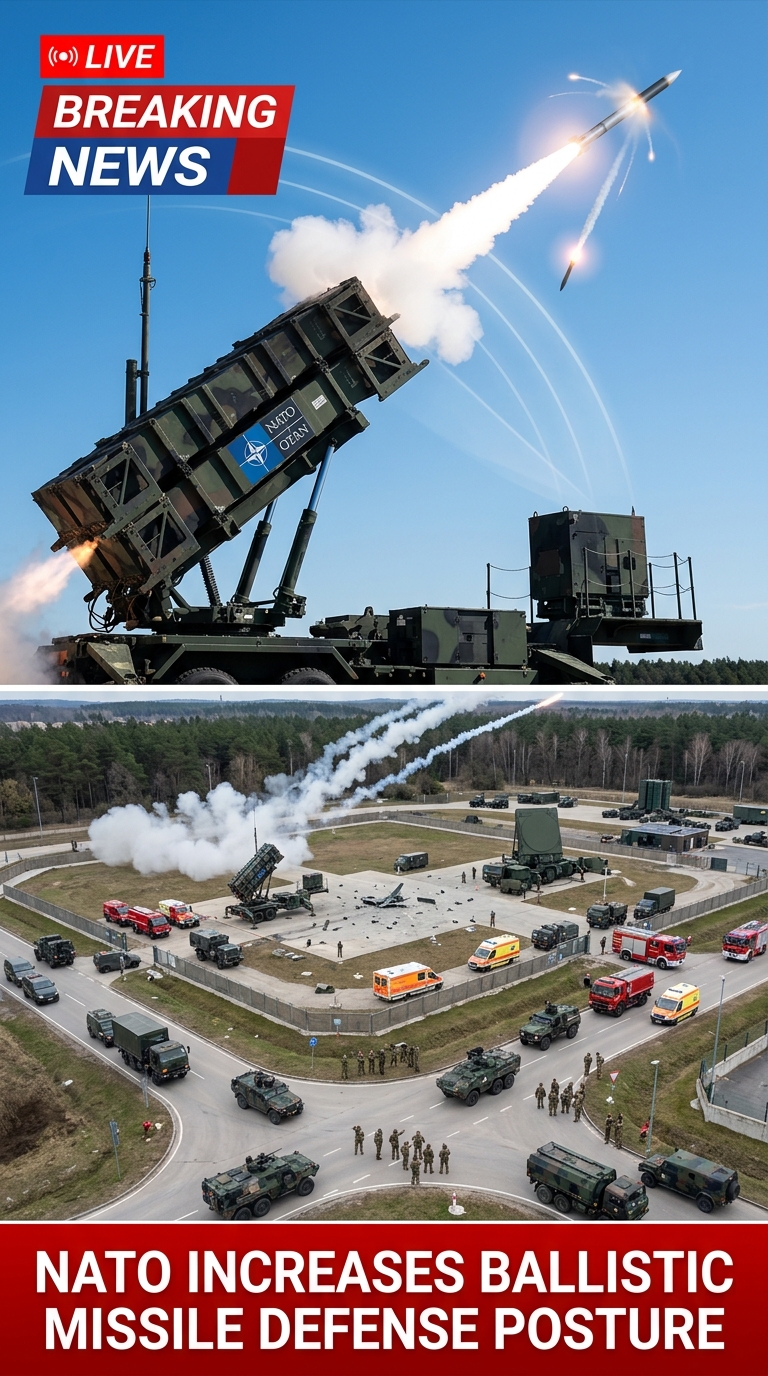
NATO has announced that it has strengthened its ballistic missile defense posture as tensions rise across the Middle East, citing concerns over Iran’s recent military actions and the potential for the conflict to spread toward Europe.
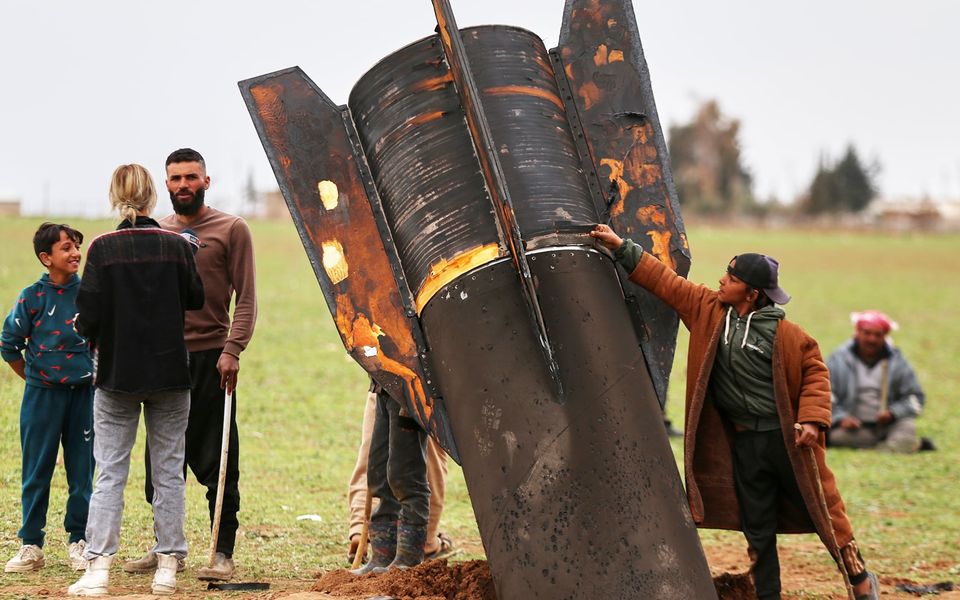
The adjustment follows reports of Iranian missile activity across the region, including an incident in which a ballistic missile launched from Iran was detected heading toward Turkish airspace earlier this week. The missile was intercepted and destroyed by NATO’s integrated air and missile defense systems before it could reach its target, according to Turkish officials.
The projectile had crossed Iraqi and Syrian airspace before approaching Turkey, a NATO member state that shares a long border with Iran. NATO defense assets deployed in the eastern Mediterranean successfully engaged and neutralized the missile, and authorities reported no casualties from the incident.
The interception marked a significant moment in the expanding regional crisis. Analysts say it was the first time since the current conflict began that a NATO member’s territory had been directly threatened by an Iranian ballistic missile.
In response, NATO officials said they have raised the alliance’s missile defense readiness level. U.S. Army Colonel Martin L. O’Donnell, spokesperson for Supreme Headquarters Allied Powers Europe (SHAPE), confirmed that NATO commanders had implemented additional defensive measures.
“While I cannot go into details about this posture change for operational security reasons, the adjustment gives the Supreme Allied Commander Europe exactly what he needs to defend the Alliance based upon the current threat,” O’Donnell said in a statement.
The decision was taken amid what NATO described as “Iran’s continued indiscriminate attacks across the region.” According to alliance officials, the enhanced defensive posture is intended to ensure that NATO forces can rapidly respond to any threats against member states.
NATO’s missile defense system is designed to detect, track, and intercept ballistic missiles before they reach their intended targets. The system relies on a network of radars, naval interceptors, and land-based defense batteries spread across Europe and the Mediterranean region. Early-warning facilities, including radar installations in Turkey, play a crucial role in identifying potential threats and coordinating defensive responses.
Despite the interception, Iran has denied intentionally targeting Turkey. Iranian officials said they did not fire a missile toward Turkish territory and suggested that the incident may have been misinterpreted or related to broader military operations in the region.
Nevertheless, the event has intensified fears that the ongoing war involving Iran, Israel, and the United States could expand beyond the Middle East. Security experts warn that any confirmed attack on a NATO member could trigger serious diplomatic and military consequences.

Under NATO’s founding treaty, Article 5 states that an attack on one member is considered an attack on all, potentially obligating the alliance to respond collectively. While officials say the recent incident has not triggered that clause, the possibility has raised alarm among Western governments.
For now, NATO leaders say the alliance remains focused on deterrence and defense. By increasing its missile defense readiness, the bloc hopes to reassure member states and prevent the escalating conflict from spilling further into Europe.
As tensions continue to rise, the incident highlights how rapidly the crisis in the Middle East is evolving—and how closely European security is now tied to events unfolding thousands of kilometers away.