AI Ground Robots Enter the Battlefield: A New Phase in Military Technology
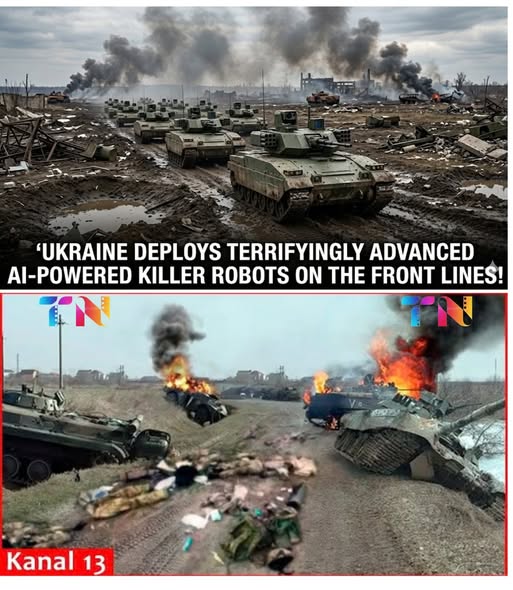
Reports from the conflict in Ukraine indicate that unmanned ground vehicles (UGVs) with advanced automation and AI-assisted targeting are increasingly being tested and deployed near frontline areas. Among the systems frequently mentioned in defense discussions are robotic platforms reportedly called Termit, Murakha, and Protector. These machines are designed to operate remotely or semi-autonomously, allowing operators to control them from safer distances while the robots perform tasks such as reconnaissance, supply transport, or defensive fire support.
These systems are part of a broader push by the Armed Forces of Ukraine to expand unmanned capabilities across land, air, and sea. Ground robots typically include sensors, cameras, and stabilized weapon mounts, enabling them to monitor terrain or provide covering fire while reducing risks to human soldiers. Many of these projects involve technological partnerships with companies and defense innovators from European countries such as Estonia and the Netherlands, which have been active in developing robotic and autonomous defense systems.
Military analysts say unmanned ground vehicles are becoming an important trend in modern warfare. Like drones in the air and sea, ground robots can operate in dangerous zones, conduct surveillance, clear routes, or support defensive positions without exposing troops directly to danger. However, experts also emphasize that most current systems still require human supervision and decision-making, particularly for any use of force.
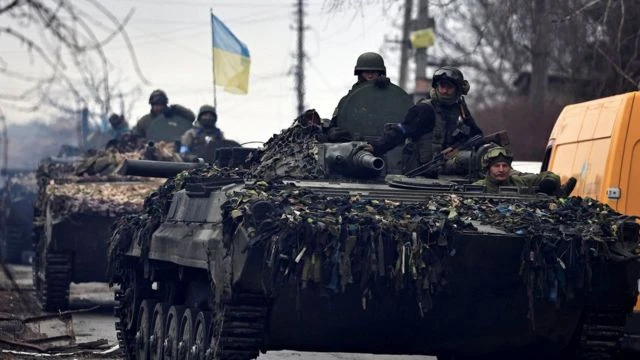
The growing use of AI-assisted robotics highlights how rapidly military technology is evolving. Supporters argue these systems can help protect soldiers and improve situational awareness, while others stress the need for clear international rules governing autonomous weapons. Regardless, the expansion of unmanned platforms shows how technological innovation is reshaping battlefield tactics and defense strategies around the world.