On Israel’s border with Lebanon, the threat of Hezbollah looms over daily life
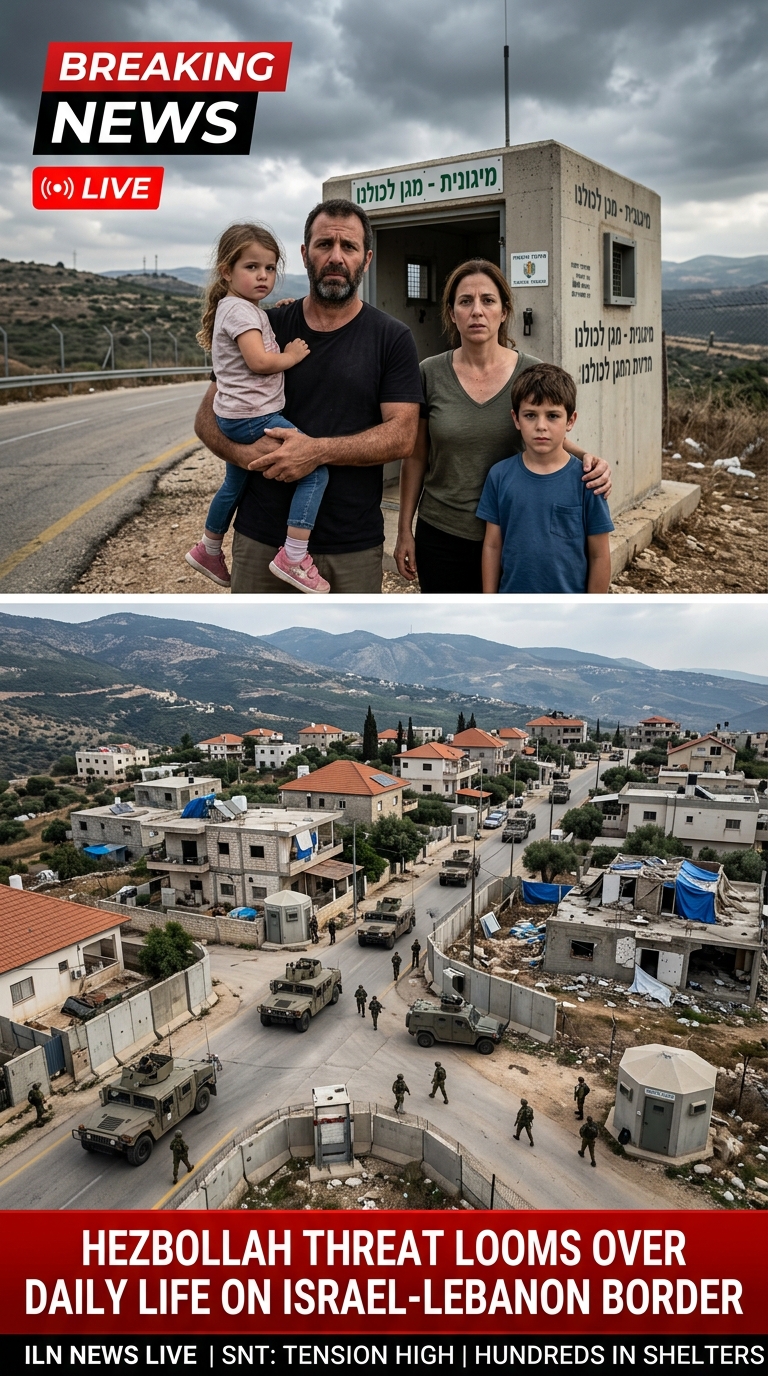
In the northern Israeli town of Kiryat Shmona, just south of the border with Lebanon, the air raid sirens sound less as an advanced warning than the signal of an already incoming attack.
Incoming rockets and drones from Iranian proxy group Hezbollah aren’t new — attacks have been an intermittent feature of border life here for generations.
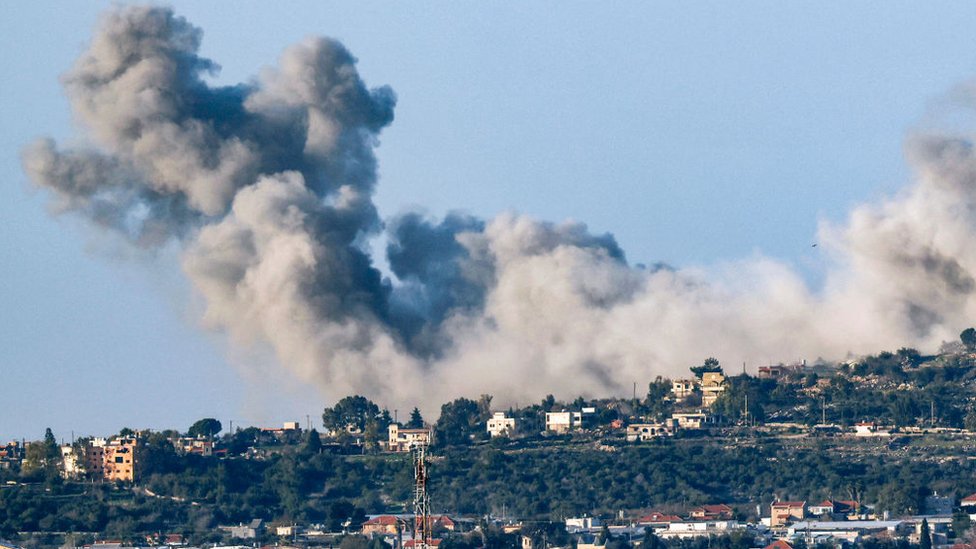
But as conflict with Hezbollah flares up again and Israel launches major strikes on Lebanon’s capital, Beirut, some hope the Iran-backed group could finally be dismantled.
“I think it’s an opportunity,” said David Engelmayer, 57, an actuary who was carrying a sidearm while grocery shopping in Kiryat Shmona. “We actually hope that Hezbollah is going to be on the attack and we can finish off the work that we were stopped doing in November of 2024,” when Israel and Hezbollah agreed to a ceasefire, ending a year of cross-border conflict.
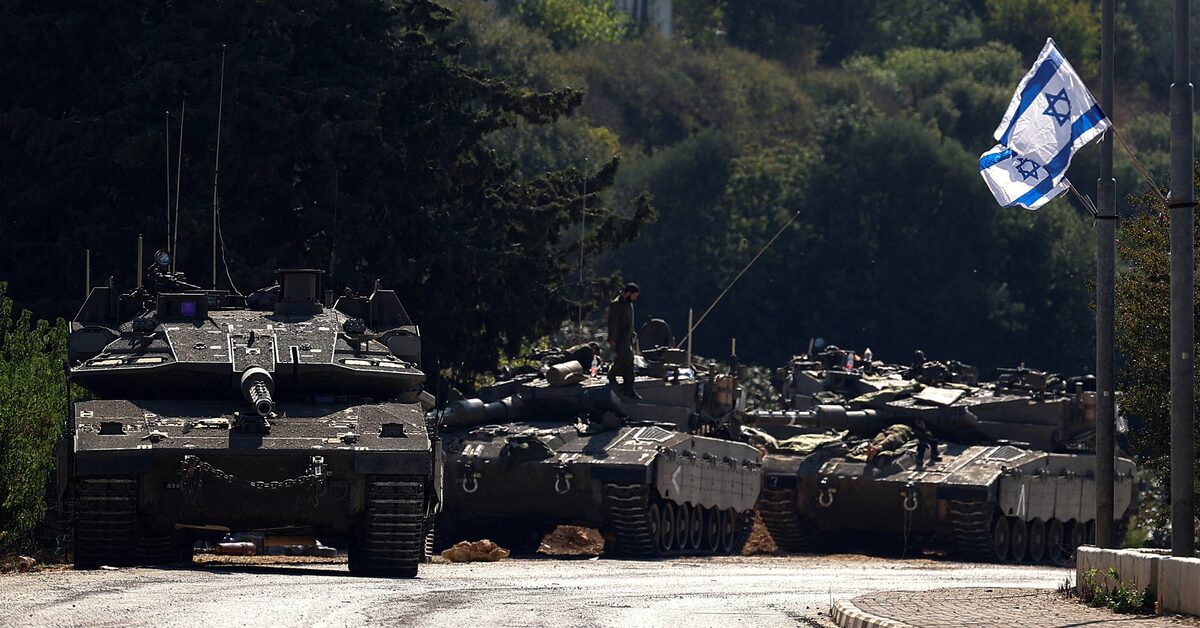
But this time, the Israeli government has ruled out evacuating more than 200,000 civilians from northern Israel, as it did for more than a year during the last round of fighting.
The evacuations two years ago came “because the imminent threat was arrayed near the communities,” said Colonel R., the chief of staff of the IDF’s 769 Brigade, who declined to give his full name for his own security.
The threat that Hezbollah might launch a ground invasion of northern Israel has since subsided, with Hezbollah’s infrastructure along the border largely dismantled, Colonel R. said.
Therapist Shirley Gerstovitz, 48, is among residents who have only just returned from evacuations after more than a year away from home.
She said that the Israeli government, focused on the threats posed by missiles fired from Iran, was underplaying the threats faced in northern Israel. “The country forgot about the north,” she said.