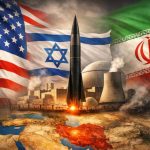
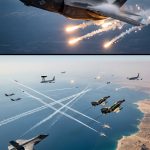
U.S. Signals Readiness to Escort Tankers Through Hormuz as Shipping Traffic Thins
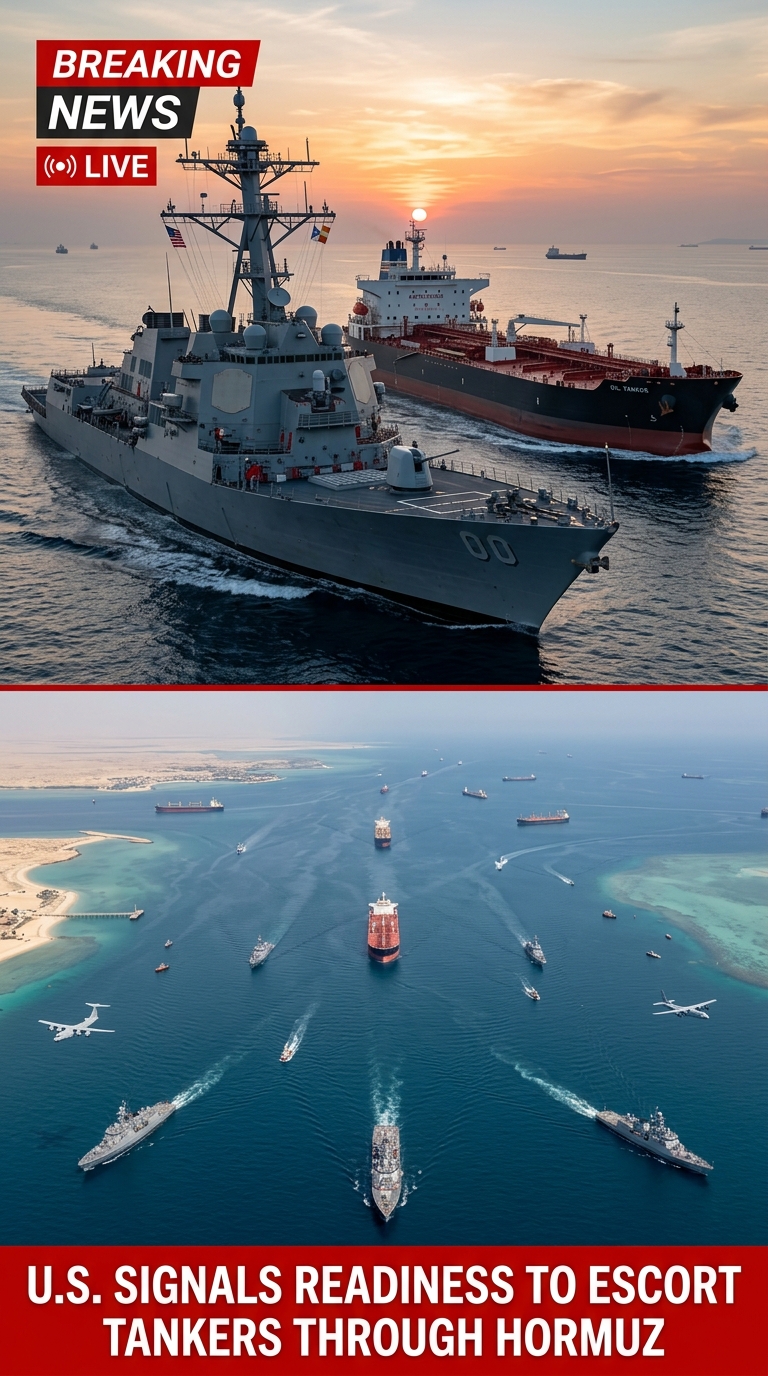
The United States has signaled it is prepared to help protect commercial shipping through the Strait of Hormuz as tanker traffic through the vital oil chokepoint continues to thin, though no formal U.S. naval escort mission has yet been launched. The emerging policy reflects Washington’s growing concern that the war involving Iran, Israel and the United States is now threatening global energy flows as well as regional security.
President Donald Trump said earlier this week that the U.S. Navy could escort tankers through Hormuz if necessary to ensure what he called the “free flow of energy” to the world. Separate reporting also said Energy Secretary Chris Wright backed efforts to keep exports moving, as the administration explored both security protection and financial guarantees for ships crossing the waterway.
At the same time, a U.S. official told reporters that no escort operation is currently underway, underlining the gap between Washington’s stated readiness and the absence of an active mission on the water. Instead, the administration has also moved toward offering war-risk insurance and reinsurance support for commercial vessels, a step intended to encourage shipowners to resume voyages even without a standing naval convoy system.
The debate comes as traffic through Hormuz has dropped sharply. Bloomberg reported that tankers began avoiding the strait after the first U.S.-Israeli strikes on Iran, with some ships turning back or delaying entry because of fears of attack. More recent reporting from The Wall Street Journal said maritime traffic had nearly ceased in parts of the corridor as Iran warned that U.S. and Israeli ships could be targeted even if the waterway technically remained open.
The Strait of Hormuz remains one of the world’s most important energy chokepoints. Bloomberg reported that about 16.7 million barrels a day of crude and condensate moved through the route in 2025, along with a large share of global liquefied natural gas shipments. Any sustained disruption there could quickly push up energy prices and unsettle global markets.
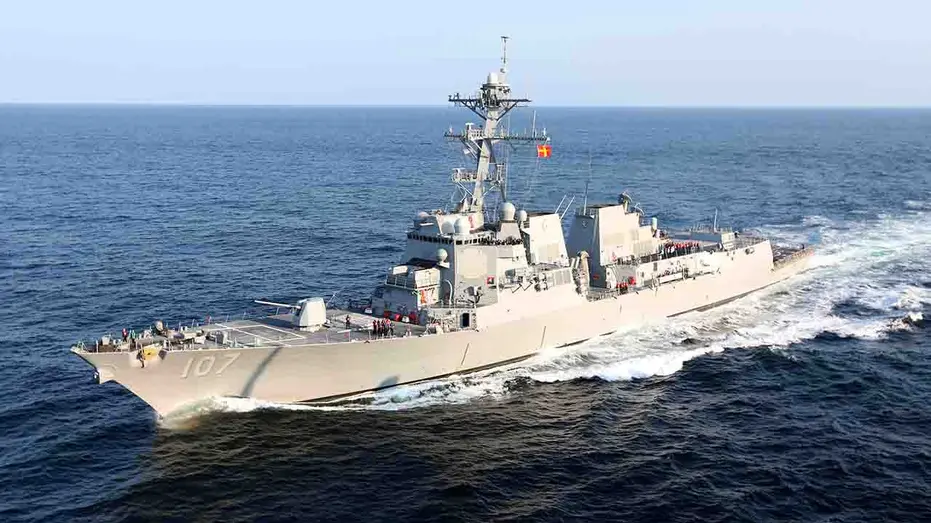
For now, the U.S. message is one of deterrence rather than deployment: Washington wants markets and shipowners to know it is willing to act, but it has not yet committed to a full escort mission. That leaves shipping companies weighing whether insurance, political backing and the prospect of future naval protection are enough to bring tankers back into one of the world’s most dangerous waterways.