Saudi Arabia and UAE Say They Intercepted Iranian Missiles and Drones
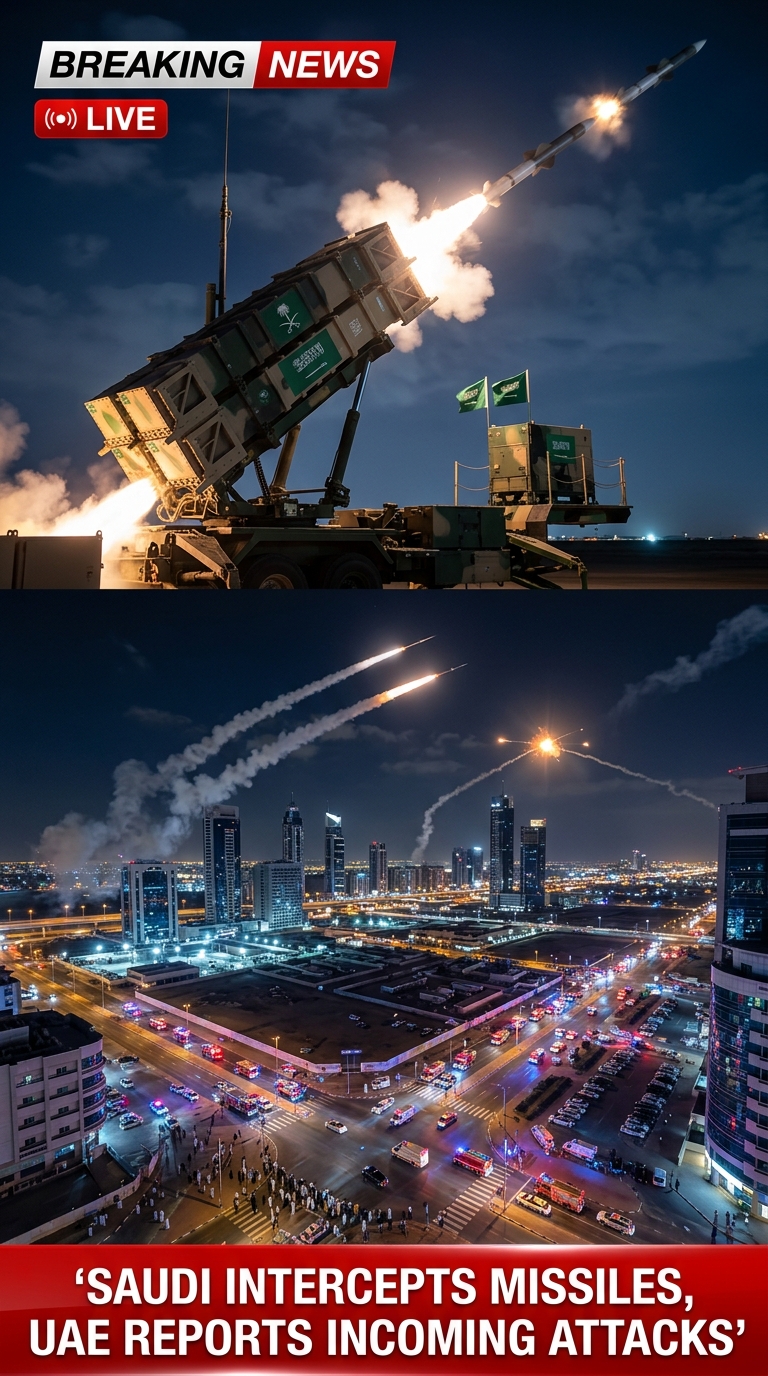
Saudi Arabia and the United Arab Emirates said their air defenses intercepted fresh Iranian missile and drone attacks, underscoring how the widening regional conflict is increasingly spilling across the Gulf.
Saudi Arabia’s defense ministry said it intercepted two ballistic missiles aimed at Prince Sultan Air Base and also brought down a drone east of Riyadh, according to regional reporting on the latest cross-border attacks. The incident added to a series of recent interceptions by Saudi forces, which have repeatedly said they are responding to incoming threats linked to Iran’s campaign across the region.
The UAE said it was also facing active danger from Iran. In a statement carried by the state news agency WAM, the Emirati defense ministry said it was “currently dealing with incoming missile and drone threats from Iran” and explained that the loud sounds heard around the country were caused by air defense systems intercepting ballistic missiles and fighter jets downing drones and loitering munitions. The ministry said the interceptions caused some material damage to civilian property but did not indicate mass casualties.
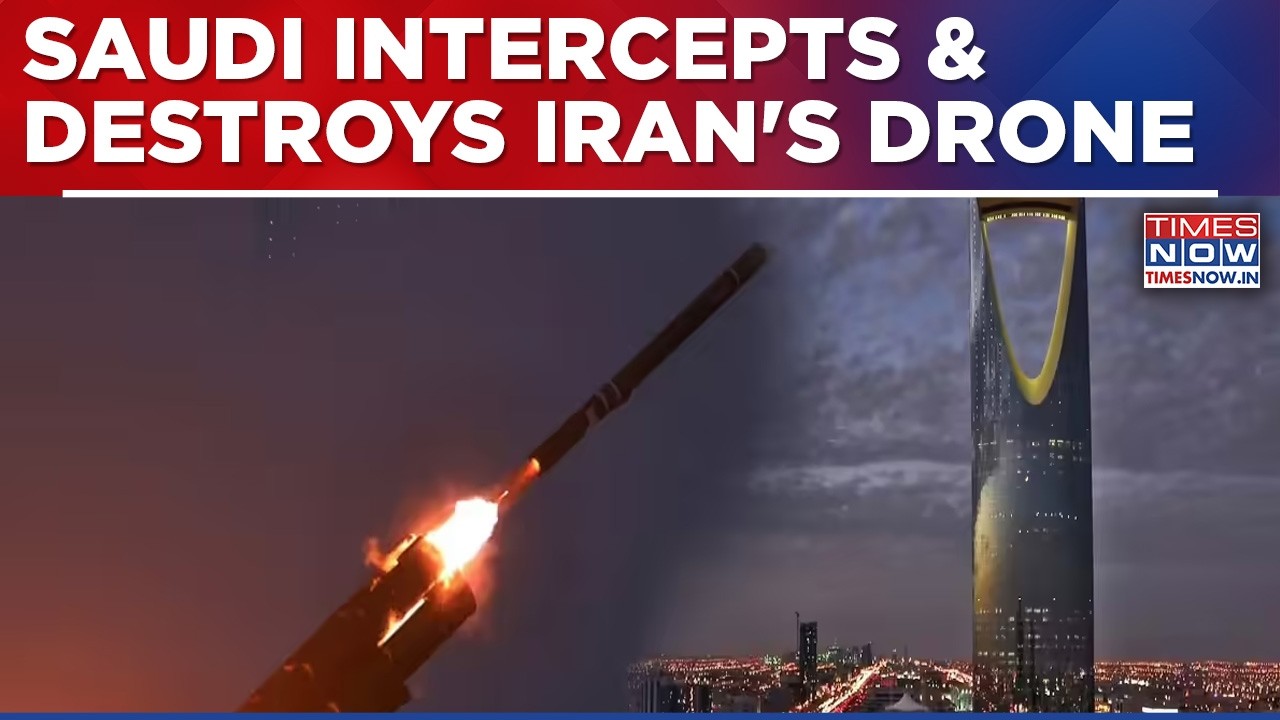
The latest attacks fit a broader pattern that has emerged over the past week, with Gulf states including Saudi Arabia, the UAE, Qatar, and Bahrain reporting repeated missile and drone threats as the war involving Iran, Israel, and the United States intensifies. AP and The Guardian both reported on Saturday that Gulf countries were intercepting Iranian projectiles while bracing for further escalation.
The attacks have also disrupted daily life and transport across the region. Recent reporting said missile alerts and air-defense activity contributed to aviation disruption in the UAE, while governments across the Gulf have stepped up military readiness and public warnings.
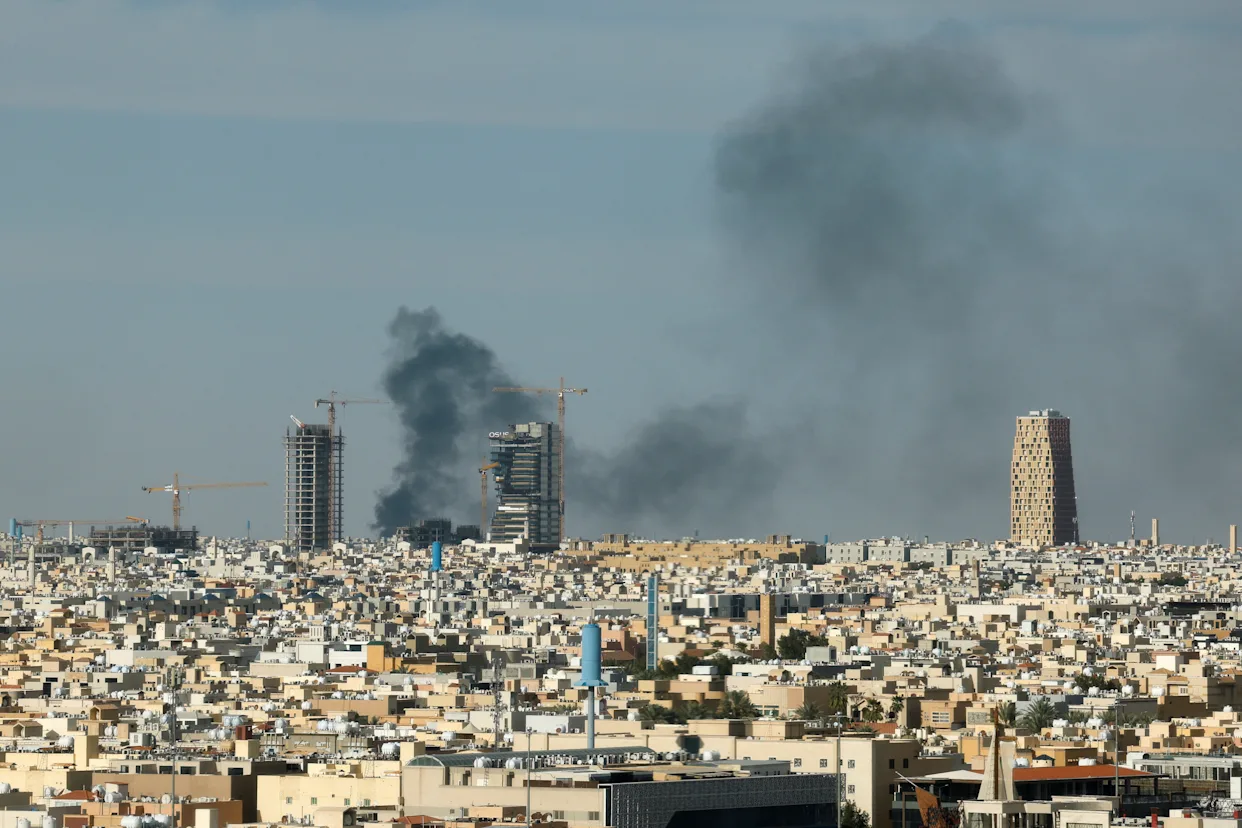
Together, the Saudi and Emirati statements highlight a dangerous new phase of the conflict: Iran’s retaliatory campaign is no longer confined to Israel or nearby battle zones, but is now directly testing Gulf air defenses and regional stability.