U.S. F-35 Encounters Iranian Jets as Air Tensions Escalate
- NgoPhong
- March 9, 2026
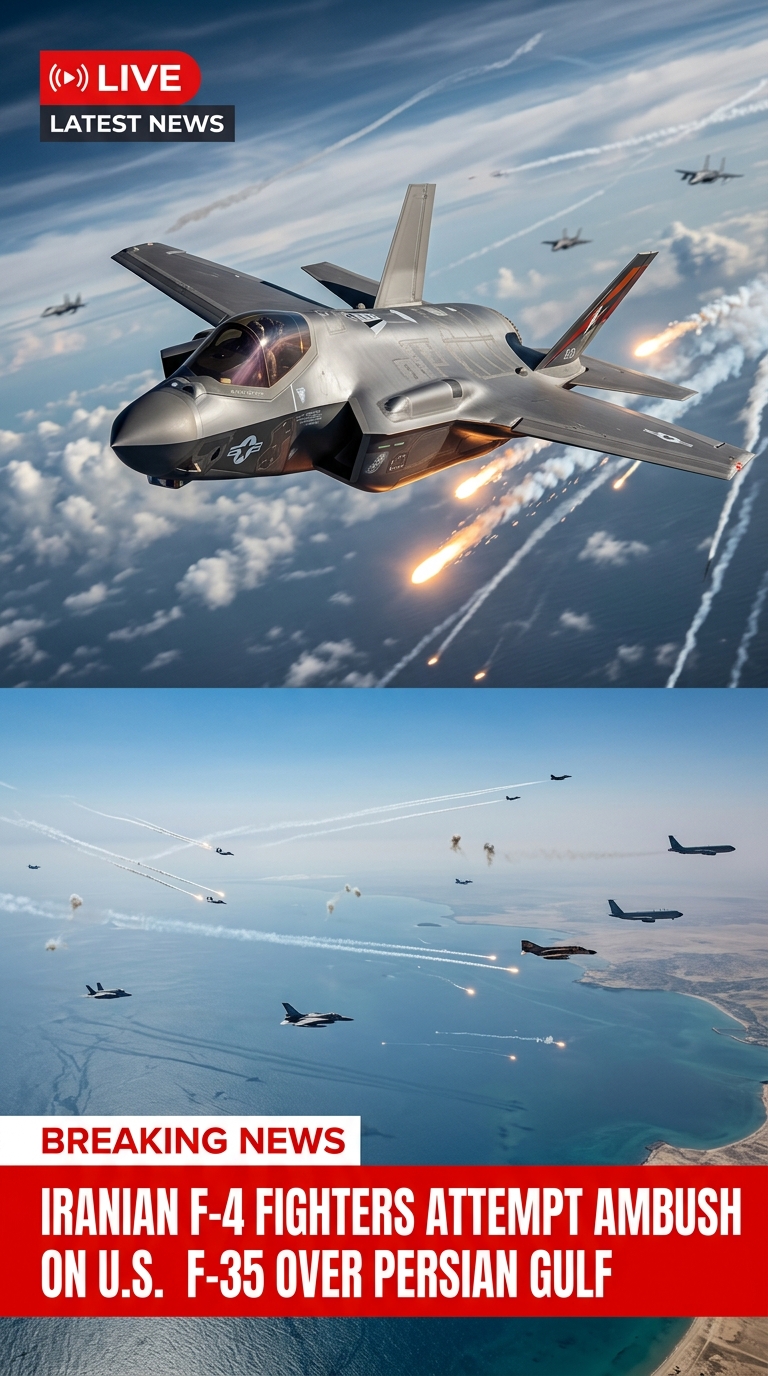
As the conflict between the United States and Iran intensifies across the Middle East, the skies above the region are becoming increasingly tense. Military analysts say that modern aerial encounters are now less about dramatic dogfights and more about stealth, electronic warfare, and intelligence gathering. Recent incidents involving advanced U.S. stealth aircraft highlight just how complex modern air combat has become.
According to defense reports, U.S. Navy F-35C stealth fighters operating near the Arabian Sea have been conducting patrol and surveillance missions as part of the broader American military presence in the region. These aircraft often support carrier strike groups, including missions to monitor Iranian air activity and protect U.S. naval forces.
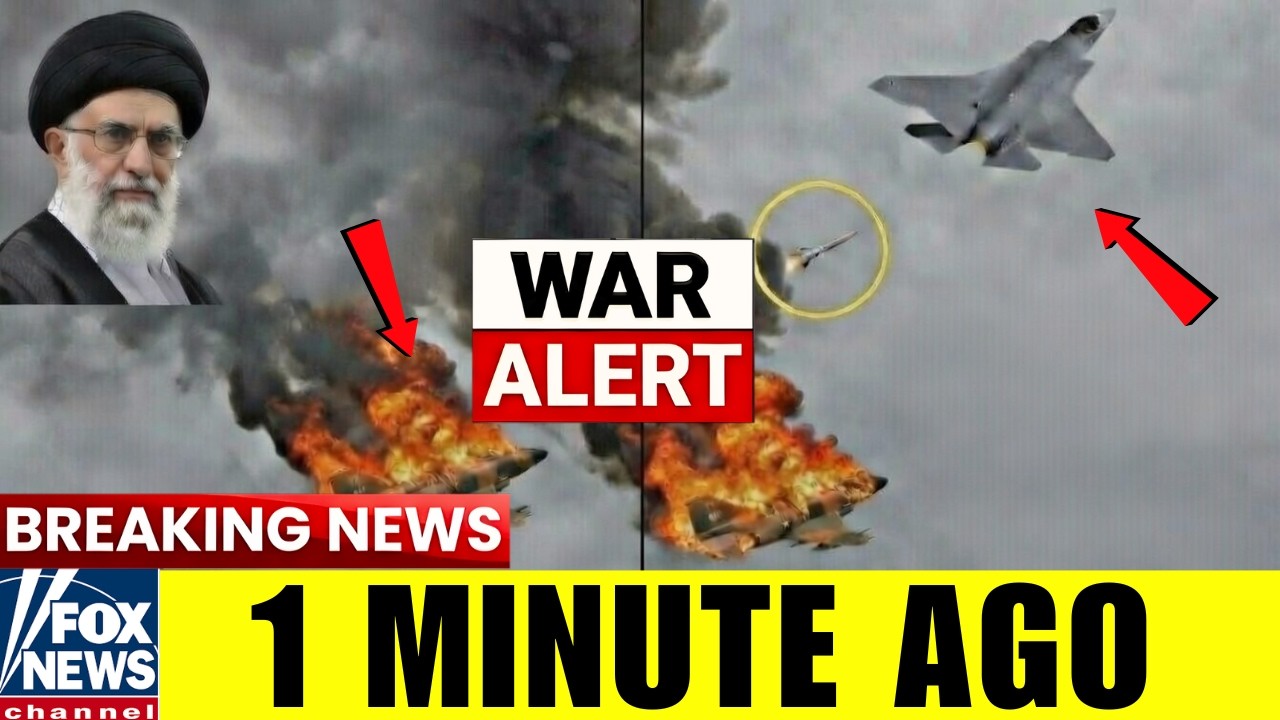
The F-35C, one of the most advanced fighter jets in the world, is designed to avoid detection through stealth technology and sophisticated electronic warfare systems. Its radar-evading design allows it to operate in heavily defended airspace while collecting valuable intelligence about enemy radar and communication systems. Analysts note that such capabilities are crucial in modern conflicts, where information dominance can determine the outcome of an engagement.
Recent confrontations in the region demonstrate how quickly tensions can escalate. In one widely reported incident earlier in 2026, a U.S. F-35C shot down an Iranian Shahed-139 drone that approached the aircraft carrier USS Abraham Lincoln in the Arabian Sea, an action the U.S. military described as self-defense to protect the carrier and its crew.
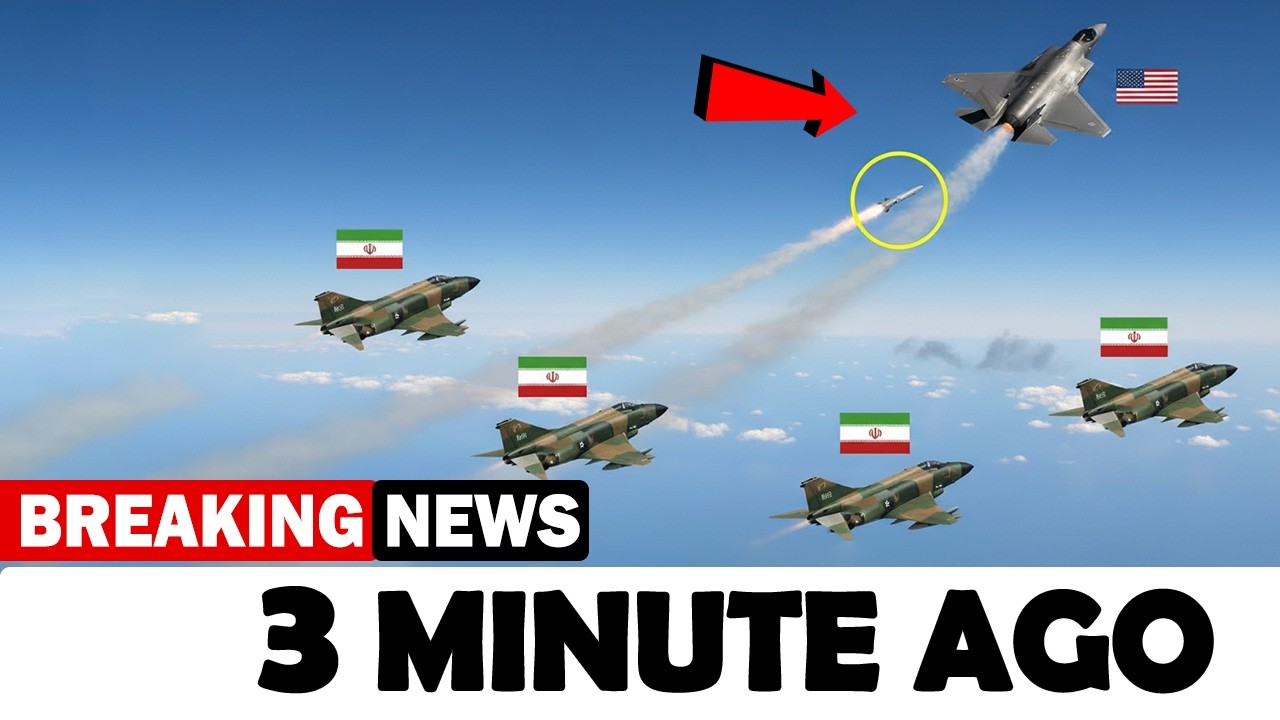
These encounters illustrate the evolving nature of aerial warfare. Rather than engaging in traditional dogfights, stealth aircraft like the F-35 focus on remaining undetected while gathering radar signatures, tracking adversary aircraft, and relaying intelligence to allied forces.
With the ongoing 2026 conflict involving U.S. and Israeli strikes against Iranian targets and subsequent retaliation across the region, military experts warn that the skies over the Middle East are becoming one of the world’s most dangerous strategic arenas.
In this environment, stealth fighters, surveillance aircraft, and electronic intelligence platforms form a powerful network—turning every aerial encounter into a high-stakes battle of technology, strategy, and information. 🚀✈️