Ukraine’s Long-Range Strike Strategy and Economic Pressure
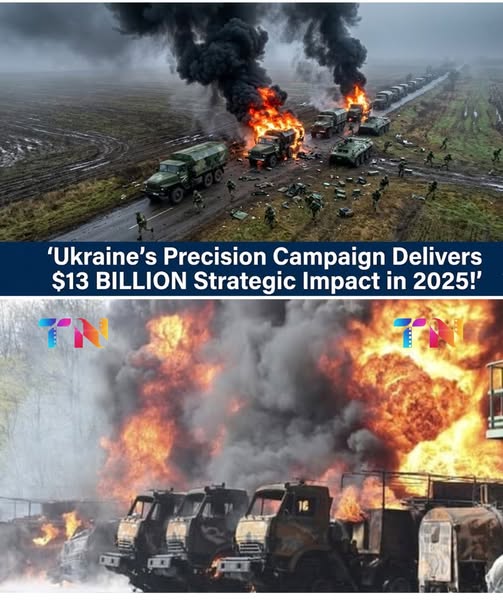
Throughout the conflict between Ukraine and Russia, analysts have closely tracked the growing use of long-range drones and precision strikes aimed at infrastructure tied to Russia’s military and energy sectors. Ukrainian officials say these operations are intended to place economic and logistical pressure on facilities that support military operations, including oil depots, energy infrastructure, and transportation hubs.
Some commentators describe these efforts as a form of “kinetic pressure,” meaning physical attacks that indirectly affect economic capacity. By targeting supply chains and industrial sites connected to defense production or fuel exports, such operations aim to complicate logistics and raise costs for sustaining military activity. Because energy exports play a major role in Russia’s economy, disruptions affecting refineries, storage facilities, or shipping networks can have wider financial ripple effects.
At the same time, Russia has implemented countermeasures—strengthening air defenses, dispersing equipment, and reinforcing key infrastructure. As a result, the strategic impact of these strikes is debated among experts. While some analysts say the attacks demonstrate the growing reach of Ukraine’s drone and missile capabilities, others note that measuring the exact economic effect is difficult due to limited independent verification and the complexity of global energy markets.

Overall, the trend highlights how modern conflicts increasingly combine military operations with economic pressure and technological innovation. Precision drones, cyber activity, sanctions, and infrastructure strikes are all part of a broader strategy shaping the battlefield and the economic environment surrounding the war.