🇪🇺 European Security Measures and Visa Policie
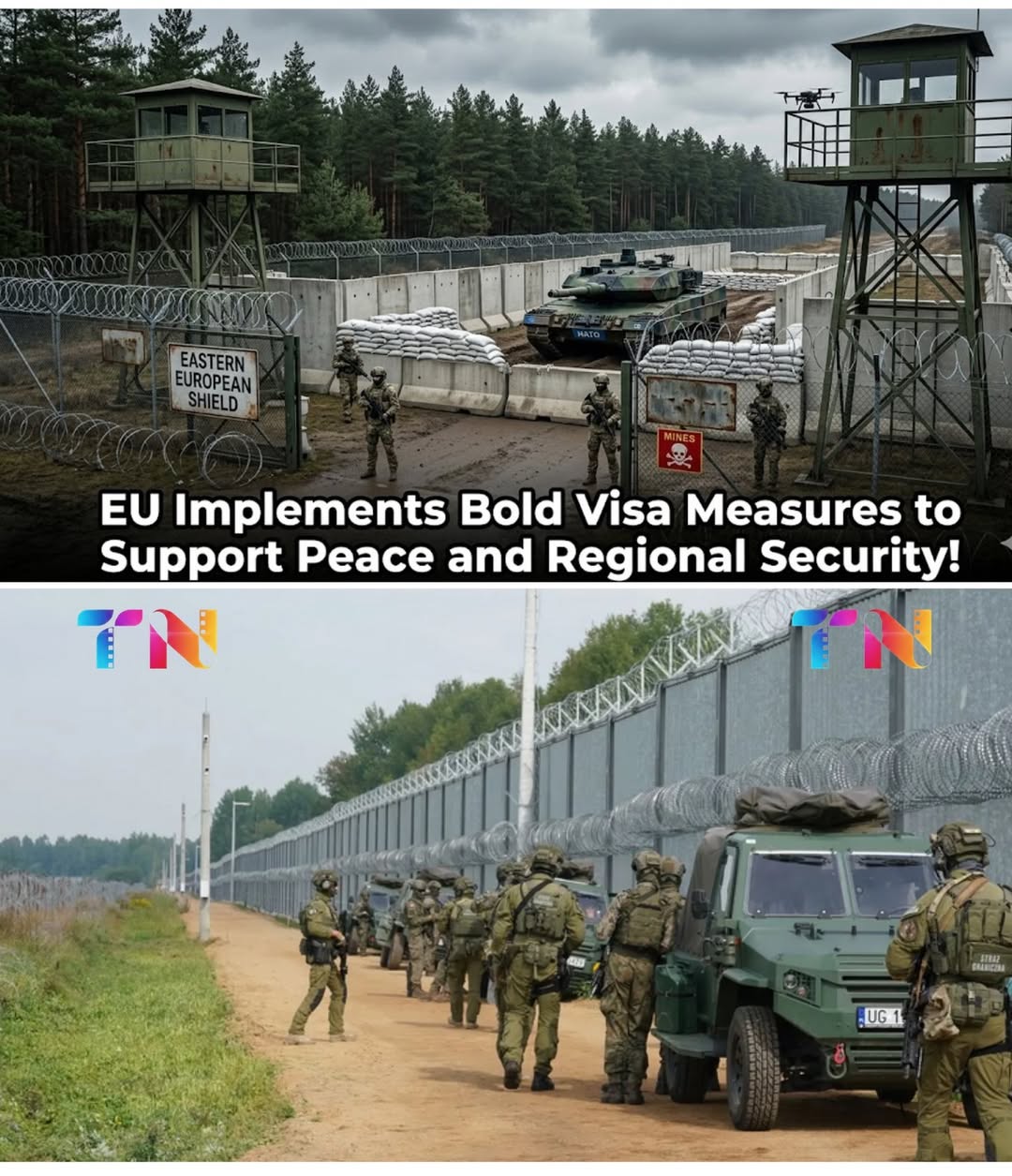
Recent discussions across European Union member states have focused on tightening border security and visa policies amid the ongoing war between Russia and Ukraine. Several EU countries—particularly those bordering Russia—have debated or implemented stricter visa rules and travel limitations for certain categories of Russian citizens as part of broader security and diplomatic measures.
Countries in the Baltic region, including Estonia, along with partners such as Poland, have been especially active in strengthening border protection and intelligence screening. These steps are intended to address concerns about espionage, irregular migration routes, and security risks related to the conflict. While policies vary by country, the broader aim is to reinforce security while maintaining coordination with EU-wide regulations.
At the same time, governments across Eastern Europe are investing in defensive infrastructure. Poland has announced plans for enhanced border fortifications sometimes referred to as the Eastern Shield, designed to strengthen surveillance, mobility barriers, and rapid response capabilities along its eastern frontier. Regional partners are also discussing increased drone monitoring and other technological tools to improve border awareness.
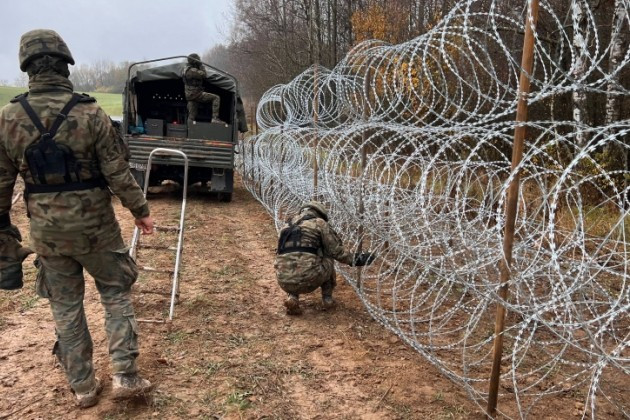
Security coordination is also taking place within NATO, particularly around strategically sensitive areas such as the Suwalki Gap, a narrow corridor between Poland and Lithuania that links the Baltic states with the rest of the alliance.
European leaders say the combination of visa policy adjustments, border investments, and alliance cooperation reflects an effort to strengthen regional security while continuing diplomatic and economic pressure related to the war. Experts note that such policies remain a subject of ongoing debate, balancing security concerns with legal obligations and humanitarian considerations.