The Shadow of a Final Goodbye: The George Floyd Legacy and the Pardon Debate
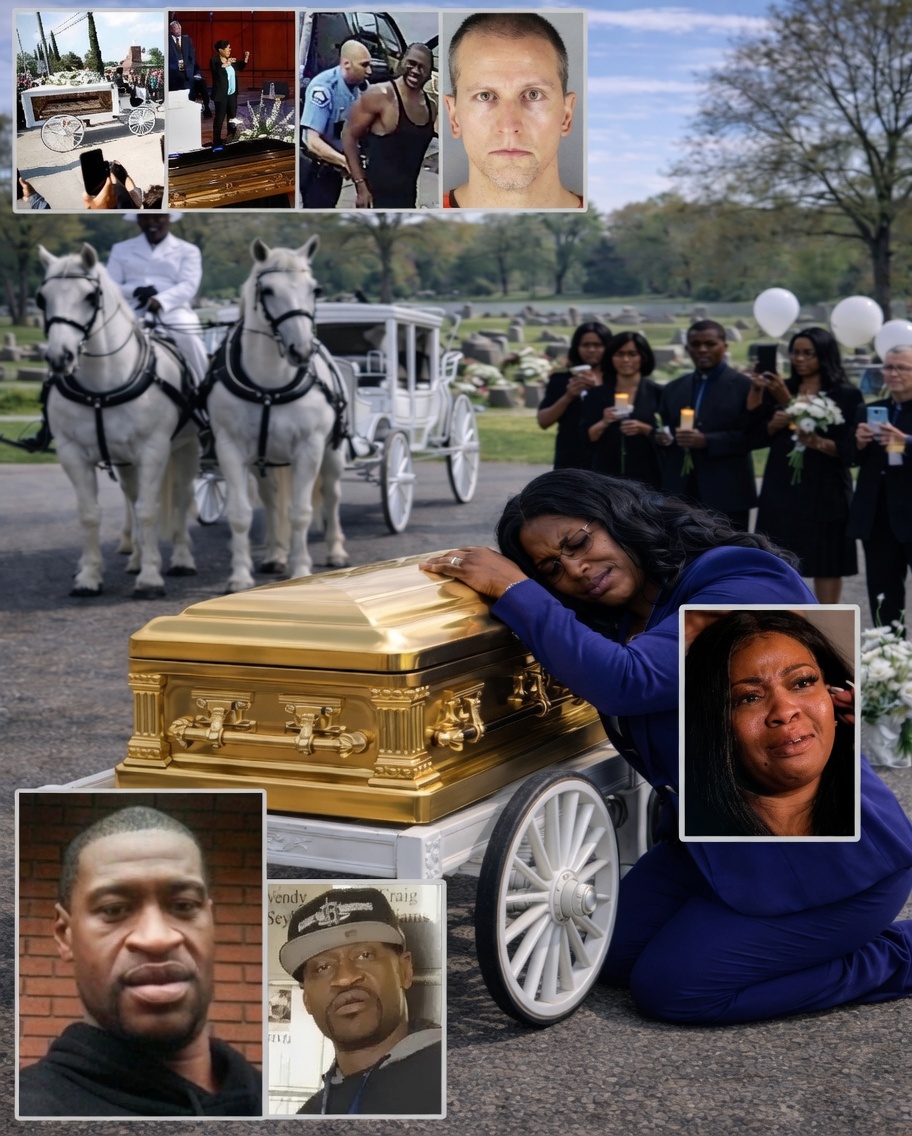
The Shadow of a Final Goodbye: The George Floyd Legacy and the Pardon Debate
The image of George Floyd’s final moments remains one of the most haunting pieces of footage in modern history, a scene that fundamentally altered the global conversation on justice and policing. Today, as the nation reflects on that final goodbye, a new and polarizing tension has emerged. The resurgence of debates regarding a potential pardon for Derek Chauvin has reopened wounds that many felt were only beginning to scar, sparking a wave of renewed outrage and deep reflection across the United States.
For those who marched in the streets of Minneapolis and beyond, Floyd is remembered not just as a name on a legal brief, but as a man whose death became a catalyst for a global movement. His final words, gasped out on a street corner, transformed into a rallying cry for millions seeking systemic change. To many, the conviction of Derek Chauvin represented a rare moment of institutional accountability—a landmark victory in the long pursuit of equal justice.
However, the current discourse surrounding a pardon has shifted the focus from the act of remembrance to the stability of the justice system itself. Proponents of the debate often point to legal technicalities or the immense public pressure during the original trial, while opponents argue that even discussing a pardon is an affront to the progress made since 2020. They believe that overturning such a symbolic verdict would not only erase the justice served for the Floyd family but also signal a retreat from the promises of reform.
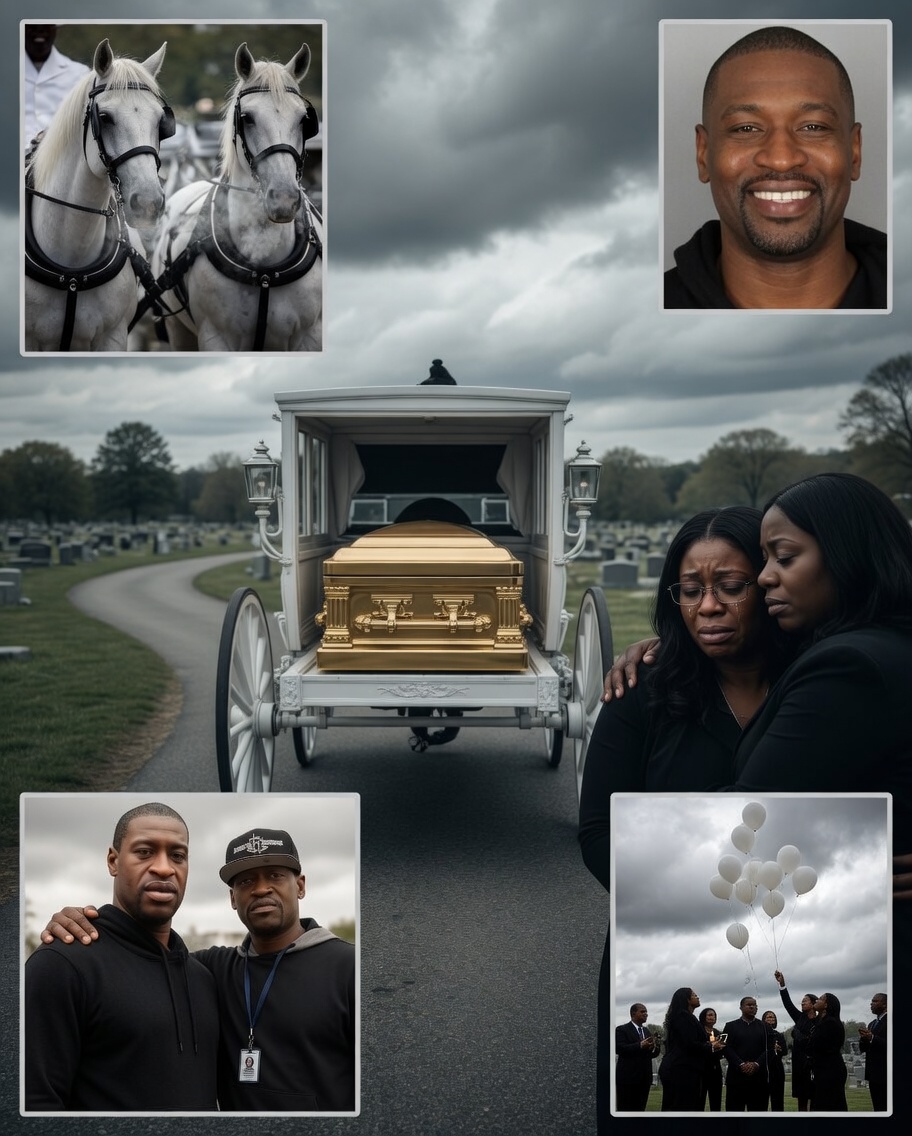
As these legal and political arguments clash, the human element of the story remains the most poignant. We are reminded of a family still mourning a father, a brother, and a friend. The national psyche remains caught between the desire to move forward and the necessity of looking back. Whether viewed through the lens of legal precedent or social justice, the legacy of George Floyd continues to be a mirror reflecting the deepest divisions and the highest aspirations of a nation still struggling to find its moral center. This is no longer just a memory of a tragedy; it is a living, breathing debate about the very definition of mercy, justice, and the value of a human life.