Beauty Isn’t Fixed — It Changes With Time: A Journey Through the Ages
Beauty Isn’t Fixed — It Changes With Time: A Journey Through the Ages
Beauty has always been subjective, a shifting concept that varies from one era to another. What we consider beautiful today might be completely different from what was considered beautiful in the past. The idea that beauty standards are not static but constantly evolving over time is particularly evident when looking at different periods of history. In this exploration, we dive into the fascinating beauty ideals of 19th-century Persia, comparing them to today’s modern standards and examining the cultural nuances that shaped them.
The Beauty Standards of 19th-Century Persia
In 19th-century Persia, the concept of beauty was deeply tied to social status and royal lineage. The most revered ideals of beauty were not about symmetry or conformity to modern Western standards, but rather a combination of features that signified nobility and grace.
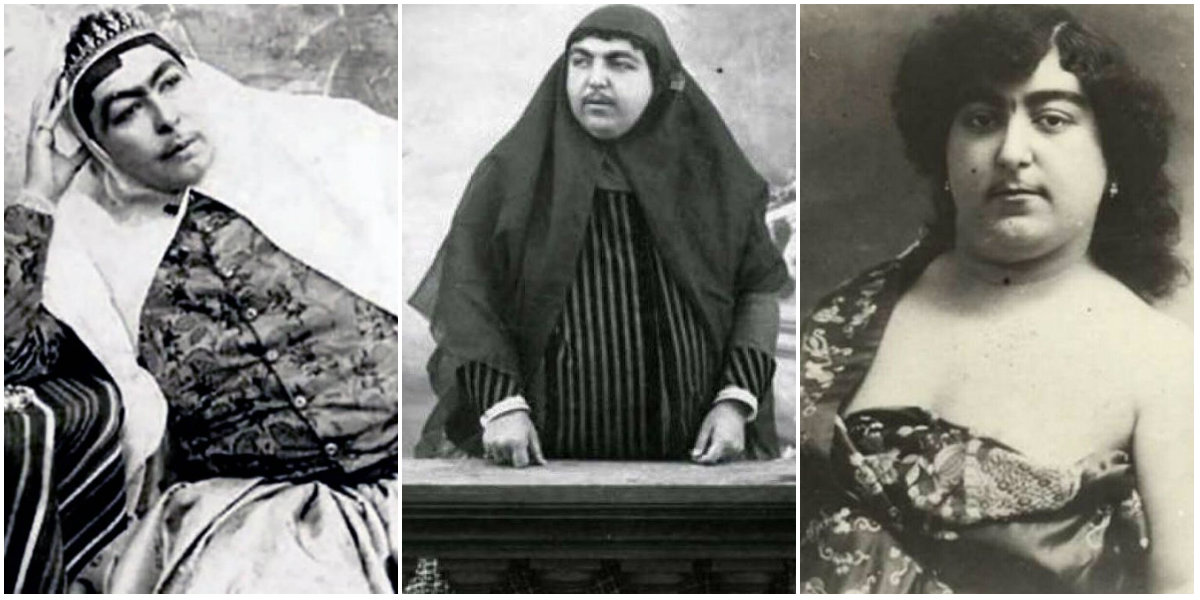
Fatemeh Khanum, a royal figure from the era, exemplified the beauty ideals of her time. While her appearance might surprise modern audiences accustomed to contemporary standards of beauty, she was considered the epitome of elegance and sophistication during her reign. Features such as fuller facial features, pronounced brows, and a more rounded, robust figure were seen as symbols of wealth, status, and fertility. These physical traits were celebrated as they aligned with the era’s emphasis on strength, resilience, and refinement—qualities that were highly valued in women of royal and noble backgrounds.
In contrast to modern ideals of slimness, chiseled features, and fair skin, the women of 19th-century Persia were admired for their curvier bodies and more prominent facial structures. These differences highlight how beauty is shaped by the environment, and how physical appearance is used to signal not only individual characteristics but social standing as well.
Cultural Influences on Beauty: The Role of Art, Poetry, and Symbolism
Beauty standards during this period were not just confined to the court or royal families; they permeated Persian art, poetry, and cultural traditions. Persian miniature paintings, poetry, and royal portraits all carried deep symbolic weight. Artists depicted women with features that echoed both the ideals of beauty and the metaphysical concepts of femininity, grace, and power.
In these depictions, beauty often went beyond physical appearance to include qualities like intellectual strength and moral virtue. Persian poets, such as Hafez and Saadi, frequently wrote about beauty in ways that blended physical allure with wisdom, spirituality, and even political power. A woman’s beauty was thus closely tied to her ability to embody the virtues of Persian culture, from strength and resilience to grace and intellect.
As time passed, these artistic representations influenced the way society viewed beauty. It was not merely about what someone looked like on the outside, but also about how their appearance reflected their character and social identity.
From Persian Royals to Modern Beauty: A Cultural Shift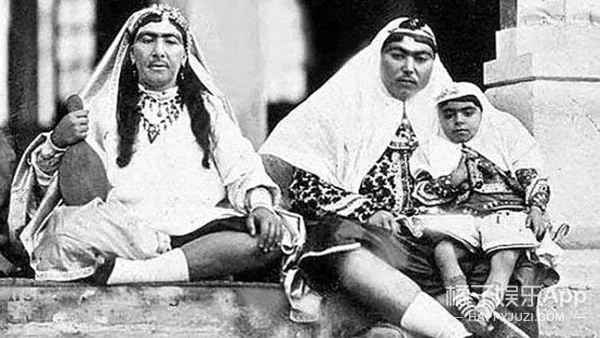
Fast forward to the modern world, and beauty standards have evolved significantly. Today’s beauty ideals are largely influenced by globalization, mass media, and digital technologies, with an increasing emphasis on slimness, symmetry, and light skin. However, this shift has not erased the historical markers of beauty; instead, they have been reinterpreted through modern lenses.
For example, the fuller facial features and pronounced brows that were once seen as symbols of nobility in 19th-century Persia are now celebrated in certain fashion circles as part of a “natural” or “ethnic” aesthetic. The diversity in beauty standards today shows that what was once considered unconventional or “flawed” can be admired in a different context, especially when influenced by modern media and the ongoing conversation about inclusivity and representation.
Beauty Through the Lens of History: The Real Question
So, what does this journey through history tell us about beauty today? The most important takeaway is that beauty is not a static concept—it is constantly evolving. What is admired as beautiful at one point in time may become obsolete in another, and features once considered flawed may come to be recognized as ideal. This ever-changing nature of beauty is a reflection of the cultural, social, and historical contexts in which it is defined.
The real question, then, isn’t “What is beauty?” but rather “How does it change, and who defines it?” Throughout history, beauty standards have been shaped by those in power—whether royal families, political elites, or media moguls. As society continues to evolve, so too will our understanding of beauty, with new voices and perspectives challenging the status quo.
The Evolution of Beauty: A Shared Journey
The beauty ideals of 19th-century Persia are not just a relic of the past but a part of the ongoing journey of how society defines beauty. Today, beauty is more diverse and inclusive than ever before, and the ideals of the past continue to influence modern beauty standards in surprising ways. We are living in an era where beauty can no longer be confined to a singular definition, and this is perhaps the most exciting aspect of all.
Whether we’re looking at the round faces and pronounced brows of Persian royals or the slim, angular features admired in today’s fashion magazines, we are reminded that beauty is a living, breathing concept—always changing, always evolving, but always deeply rooted in the societies that shape it.