
A NAME THAT RESONATES: POPE LEO XIV SHARES JOYFUL FAMILY NEWS AND THE STORY BEHIND A MEANINGFUL NEW BEGINNING
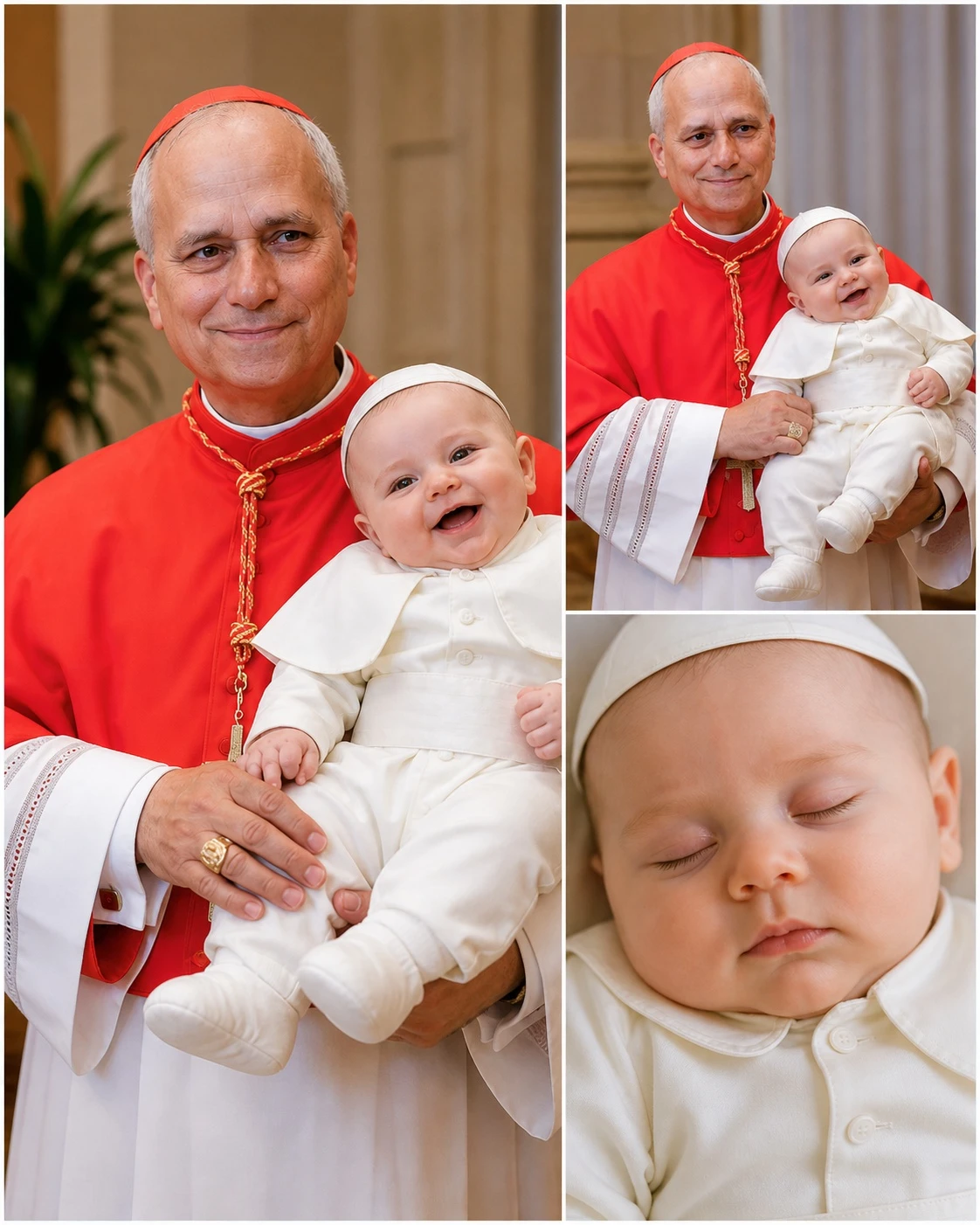
In a quiet and heartfelt announcement that quickly captured global attention, Pope Leo XIV shared that his extended family had welcomed a new baby.
The news itself was warm and uplifting, offering a rare glimpse into a more personal side of a figure often associated with spiritual leadership and global messages of unity.
Unlike formal Vatican communications, the announcement was delivered in a simple and sincere manner, without ceremony or elaborate framing.
It was this simplicity that made the moment feel genuine, drawing immediate interest from those who follow his work and teachings.
While the arrival of a new child is always a cause for celebration, what truly captured public attention was the name chosen for the baby.
The name was revealed with quiet pride, spoken gently but with clear intention, as if carrying a deeper meaning beyond its sound.
Almost instantly, conversations began to emerge across social platforms, with people sharing their thoughts and interpretations.
Some saw the name as a reflection of religious tradition, linking it to centuries-old values and spiritual symbolism.
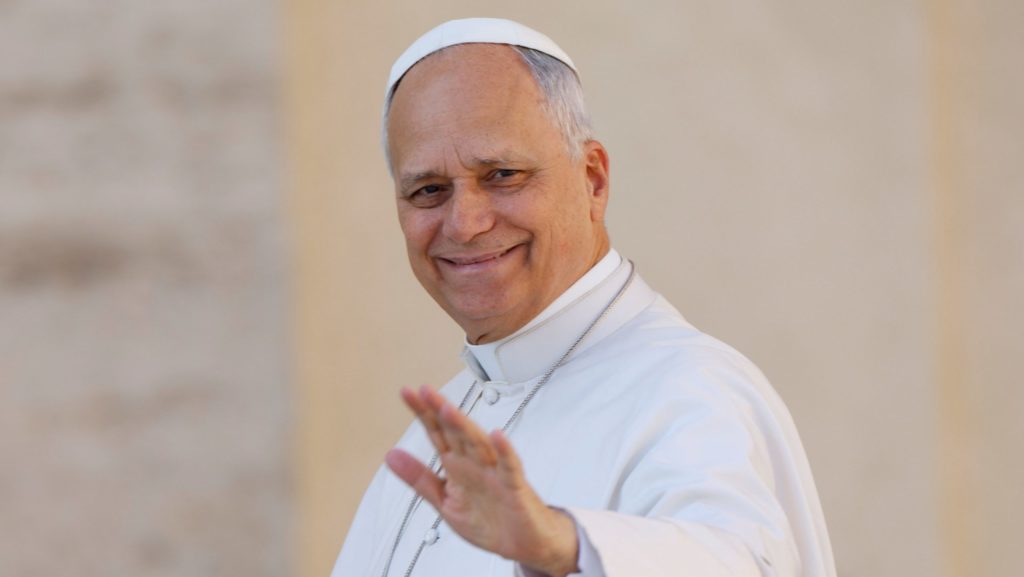
Others believed it represented hope, renewal, and the idea of new beginnings in uncertain times.
The discussion quickly moved beyond curiosity, becoming a broader conversation about meaning, identity, and the power of names.
According to those close to the family, the name had been carefully chosen after thoughtful consideration.
It was not selected for attention or public reaction, but for what it represented within the family itself.
The inspiration, as later clarified, came from a blend of personal history and spiritual significance.
Part of the name was rooted in a family tradition, honoring a relative whose life had embodied kindness, resilience, and quiet strength.
Another part drew from religious heritage, symbolizing faith, compassion, and the enduring connection between generations.
Together, the name formed a bridge between past and future, carrying both memory and intention.
For Pope Leo XIV, this choice aligned closely with the values he has often spoken about in his public role.
He has long emphasized the importance of unity, empathy, and the human capacity for understanding.
In this context, the name was not just a personal decision, but a reflection of those ideals in a more intimate setting.
When asked about the meaning behind it, he explained that names have the power to shape how we see ourselves and how we relate to others.
He described the chosen name as a reminder of both responsibility and possibility.
The announcement quickly spread beyond immediate circles, reaching audiences across different countries and cultures.
People from diverse backgrounds began sharing their own interpretations, connecting the name to their personal beliefs and experiences.
Some highlighted its spiritual depth, while others focused on its message of hope and continuity.
In many ways, the public response reflected the universal nature of the themes it represented.
Media outlets began covering the story, not as a breaking headline, but as a human-interest narrative that resonated on an emotional level.
The tone of coverage remained largely positive, emphasizing the warmth and sincerity of the moment.
Commentators noted that in a time often dominated by conflict and division, stories like this offered a sense of connection.
They pointed out that the significance of the announcement lay not in its scale, but in its meaning.

For the family, however, the focus remained on the child and the joy of a new beginning.
Those close to them described a sense of gratitude and quiet celebration, rather than any desire for public attention.
The baby, unaware of the attention surrounding their name, became a symbol of something larger in the eyes of many observers.
A symbol of continuity, of values passed from one generation to the next, and of the enduring importance of compassion.
Within days, discussions about the name had evolved into broader reflections on identity and purpose.
People began sharing stories about the meanings behind their own names and the traditions they represented.
This collective exchange created a sense of shared experience, connecting individuals through something deeply personal.
For Pope Leo XIV, the moment served as a reminder of how even the smallest aspects of life can carry profound meaning.
He later expressed gratitude for the positive response, noting that the conversations it sparked were a reflection of humanity’s shared desire for connection.
He also emphasized that while public interest was appreciated, the true significance of the moment remained within the family.
The name, he said, would grow with the child, taking on new layers of meaning over time.
It would be shaped by experiences, relationships, and the choices the child would one day make.
In that sense, it was both a beginning and a promise.
A beginning of a new life, and a promise of the values it was meant to carry forward.
As the story continued to circulate, it became clear that its impact extended beyond the initial announcement.
It reminded people that even in a fast-moving world, moments of quiet significance still matter.

It showed that meaning can be found not only in grand gestures, but in thoughtful choices made with care and intention.
And perhaps most importantly, it highlighted the enduring power of names to tell stories, connect generations, and inspire reflection.
In the end, what began as a simple announcement became something more.
It became a shared moment of reflection, a celebration of life, and a reminder of the values that unite people across different walks of life.
For many, the story of that name will continue to resonate, not because of who announced it, but because of what it represents.