The Quietest Corner: A Lesson in Love and the Forgotten Heart
The Quietest Corner: A Lesson in Love and the Forgotten Heart
The atmosphere in a crowded animal shelter is usually a chaotic symphony of desperate barks and the frantic energy of paws scratching against metal gates. But when I looked the staff in the eye and asked for the oldest dog in the building, the room fell into a sudden, heavy silence. The woman behind the counter paused, her expression shifting from routine efficiency to genuine disbelief. She asked if I was certain, her voice trailing off as if she were trying to protect me from a burden I hadn’t fully considered. My answer was simple: I wanted the one that everyone else ignored.
She led me away from the front rows, past the tumbling, golden puppies and the middle-aged dogs with hopeful, wide eyes. We walked toward the very back, where the light seemed a bit dimmer and the silence lived. That is where I met Amos. At 14 years old, he had spent eleven long months watching people walk by his kennel, none of them stopping for more than a second. He didn’t bark, and he didn’t jump. He just sat there with a look that suggested he had already accepted his fate of being forgotten.
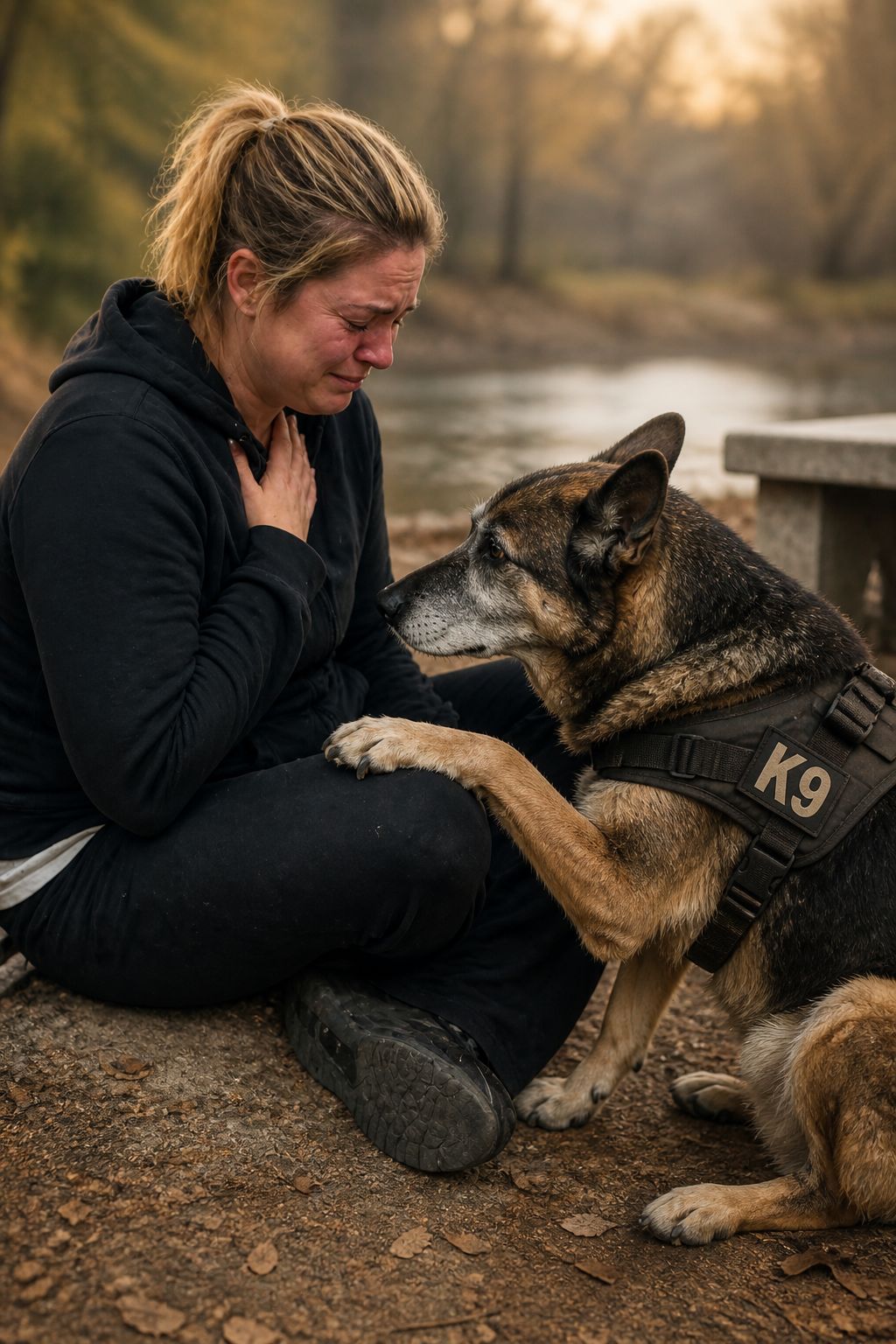
When I knelt down at the gate, Amos didn’t rush me. He approached with a slow, deliberate gait, his joints stiff from age and the cold floor. He reached out and placed a single, heavy paw on my knee. He didn’t ask for a treat or a toy; he just held that position, looking at me as if to ask if I was real, and if he could finally dare to trust someone again. In that single touch, the weight of his loneliness was palpable. It was a moment that dismantled every hesitation I might have had.
I took him home that same afternoon. There was no grand excitement or chaotic running through the house. Amos simply walked inside, surveyed his new surroundings with a quiet dignity, and found a soft spot to lay down. For the first time in nearly a year, he truly rested. That night, I realized he had fallen asleep with that same paw resting against my leg. Even in his dreams, he was checking to make sure I hadn’t vanished.
We are often told to look for the beginning of things—the new, the fresh, the energetic. But there is a profound, sacred beauty in the end. I do not know how many days or months Amos has left, but I know they will not be spent in a corner of a shelter. He will never be overlooked again. This experience has taught me that those with the least amount of time left often have the most expansive love to offer, if only someone is willing to go to the back of the room and listen to the silence.