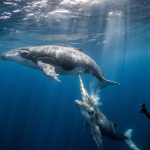
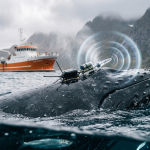
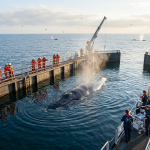
A FRAGILE COMEBACK — 23 NEW LIVES IN A DYING OCEAN
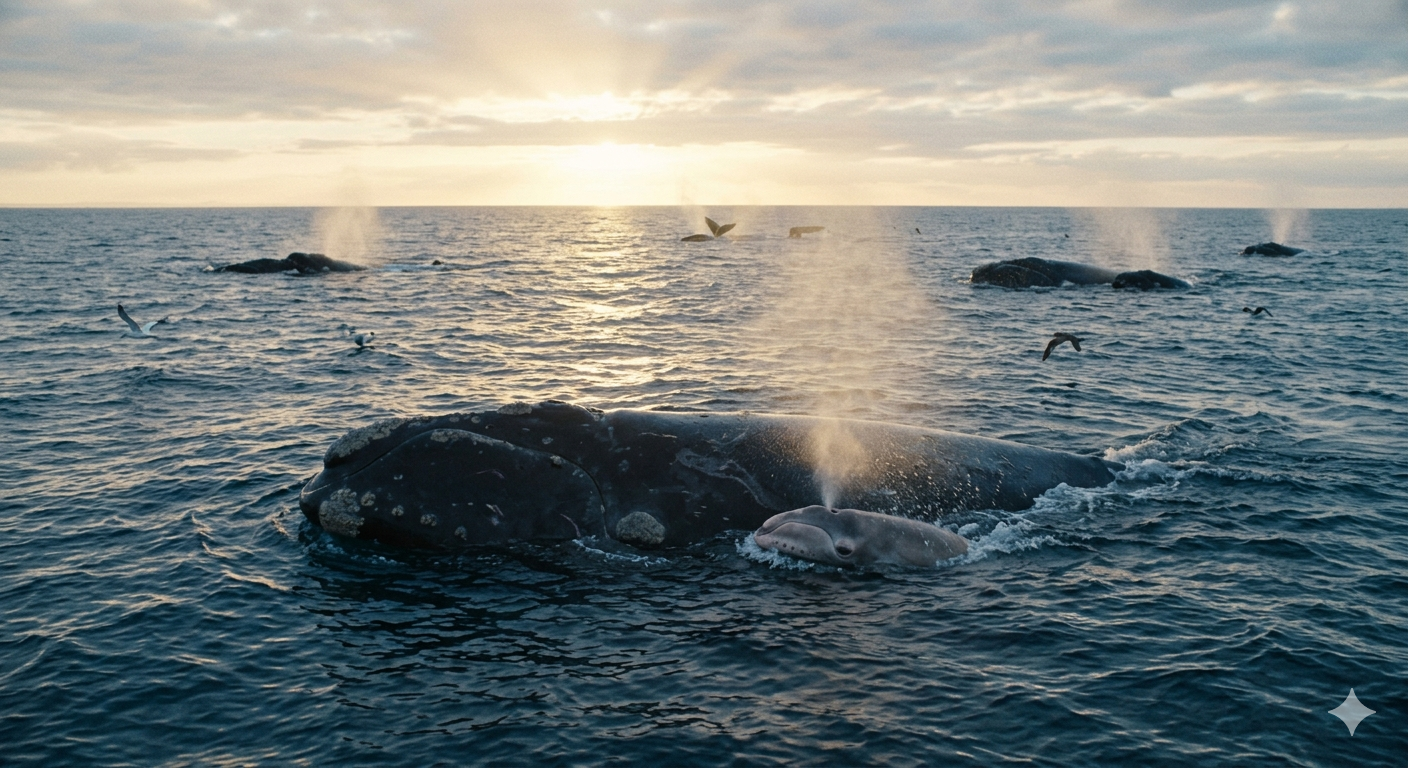
A FRAGILE COMEBACK — 23 NEW LIVES IN A DYING OCEAN
In a world where environmental news is often marked by devastation, there’s a rare and powerful story unfolding right now — one that could change everything for the North Atlantic right whale, a species teetering on the edge of extinction.
As the cold, vast waters of the North Atlantic ripple with the currents of a dying ocean, something miraculous is happening: 23 newborn North Atlantic right whale calves have officially been recorded for the 2024–2025 season.
While for many species, this number might be considered small, for the North Atlantic right whale, it represents a fragile spark of hope in the darkest of times. For this critically endangered species, with only about 360 individuals left on Earth, these births aren’t just a sign of new life — they are a lifeline.
The Fragility of Survival
The North Atlantic right whale has long been a symbol of the tragedy facing marine life in the 21st century. Once abundant along the North American coastline, their population has been decimated by human activities, including ship strikes, entanglement in fishing gear, and the rapid changes in ocean temperatures due to climate change.
With such a tiny population remaining, every single birth becomes a milestone. Each new calf represents a new opportunity for survival — a step forward in the fight against extinction. But despite this promising development, survival is not guaranteed.
- Ship strikes remain one of the leading causes of death for these whales. With their migratory routes overlapping busy shipping lanes, the risk of collision is ever-present.
- Fishing gear entanglement also poses a deadly threat. Even a small entanglement can lead to serious injury or death, further decreasing their already dwindling numbers.
- Climate change has shifted the very ocean environments these whales rely on for feeding, making the waters less predictable and safe for these fragile creatures.
In the face of all these challenges, the birth of 23 new calves is a glimmer of light — but it also emphasizes the dire need for continued, and enhanced, conservation efforts to ensure that these calves live to adulthood.
A Lifeline for the Species
While the number 23 might seem small, for the North Atlantic right whale, it represents a vital turning point. With such a low population, each new calf is like a new thread in a fraying rope, holding together a species that could easily slip into extinction.
The journey from calf to adulthood is fraught with peril. The path to survival is long and hard, and the odds are stacked against these young whales. But if they can survive the first few years of their life — if they can evade the dangers of ship traffic, entanglement, and environmental threats — they could grow into adults capable of reproducing and bringing new hope to their species.
In essence, these 23 calves are not just individuals — they are the future of a species. If they survive, they could help pull an entire species back from the brink. But without the right support and intervention, that future remains uncertain.
The Need for Protection and Space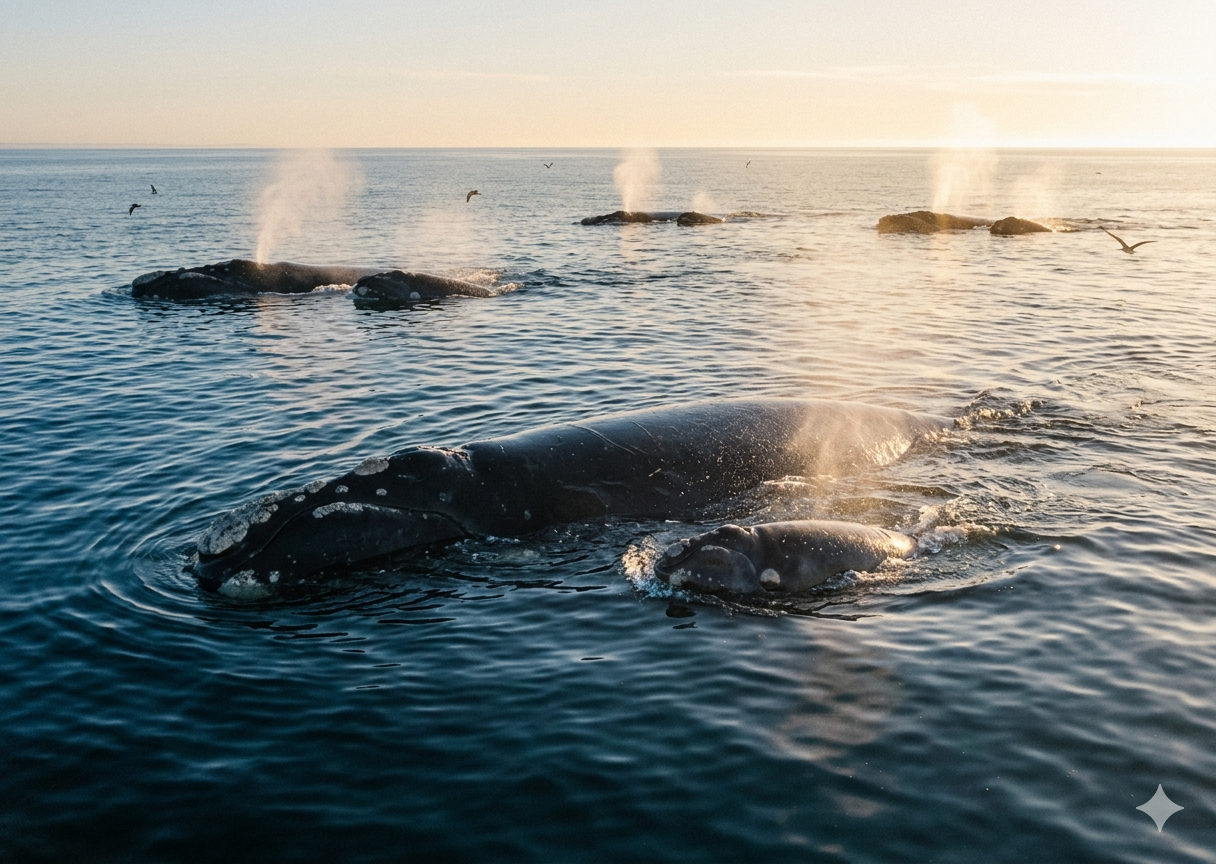
These calves don’t need miracles. They don’t need fame or fortune. What they need most of all is space to grow, protection from the threats that have been devastating their population, and a safer ocean where they can thrive.
Right now, critical conservation efforts are in place to help protect these whales, including:
- Ship speed restrictions in areas where right whales are most likely to be found.
- Fishing gear modifications, designed to reduce entanglements and provide safer conditions for marine life.
- Increased monitoring of the right whale population, with special attention to the movements and health of the newborn calves.
But these efforts alone are not enough. To ensure the survival of these calves — and the future of the entire species — more must be done.
The Real Test: What Happens Next?
The next few years will be critical for these 23 newborn calves. What happens next will decide everything. Will they survive the dangers of the open ocean? Will they mature into strong, healthy adults capable of reproducing and continuing the cycle of life for the North Atlantic right whale? Or will they succumb to the relentless pressures of a world that seems bent on pushing them toward extinction?
In the coming years, conservationists and marine biologists will be watching these young whales closely, working tirelessly to ensure their safety and survival. Their work, however, will need global support — from governments, environmental organizations, and the public. The North Atlantic right whale’s survival depends on our willingness to protect the oceans they call home.
The Hope for the Ocean
These 23 calves are a powerful symbol of hope — proof that even on the brink of extinction, life can find a way to return. It’s a reminder that, despite the challenges we face as stewards of this planet, the oceans still hold potential for revival. But it’s also a stark reminder that without serious intervention, many species, including the North Atlantic right whale, may be lost forever.
The story of these newborn calves isn’t just a tale of one species’ struggle to survive — it’s a story about the state of our oceans, our relationship with nature, and the urgent need for conservation. If we don’t act now, we may lose more than just a species — we may lose the very balance that sustains life on Earth.
Conclusion: The Fight for Survival
The birth of 23 calves is an incredible, fragile victory for the North Atlantic right whale. But it’s only the beginning of the fight. We must continue to protect these whales and their ocean habitat to ensure that the next generation has the chance to thrive.
If these calves survive, they won’t just grow — they will carry the hopes of an entire species with them. And in that, there lies the greatest promise of all.
The North Atlantic right whale’s comeback is fragile, but with the right protection, we can help these whales find their way back from the brink of extinction.
The ocean just grew a little more hopeful — but it needs our help to stay that way.