THE OCEAN JUST GOT A LITTLE MORE HOPEFUL
THE OCEAN JUST GOT A LITTLE MORE HOPEFUL
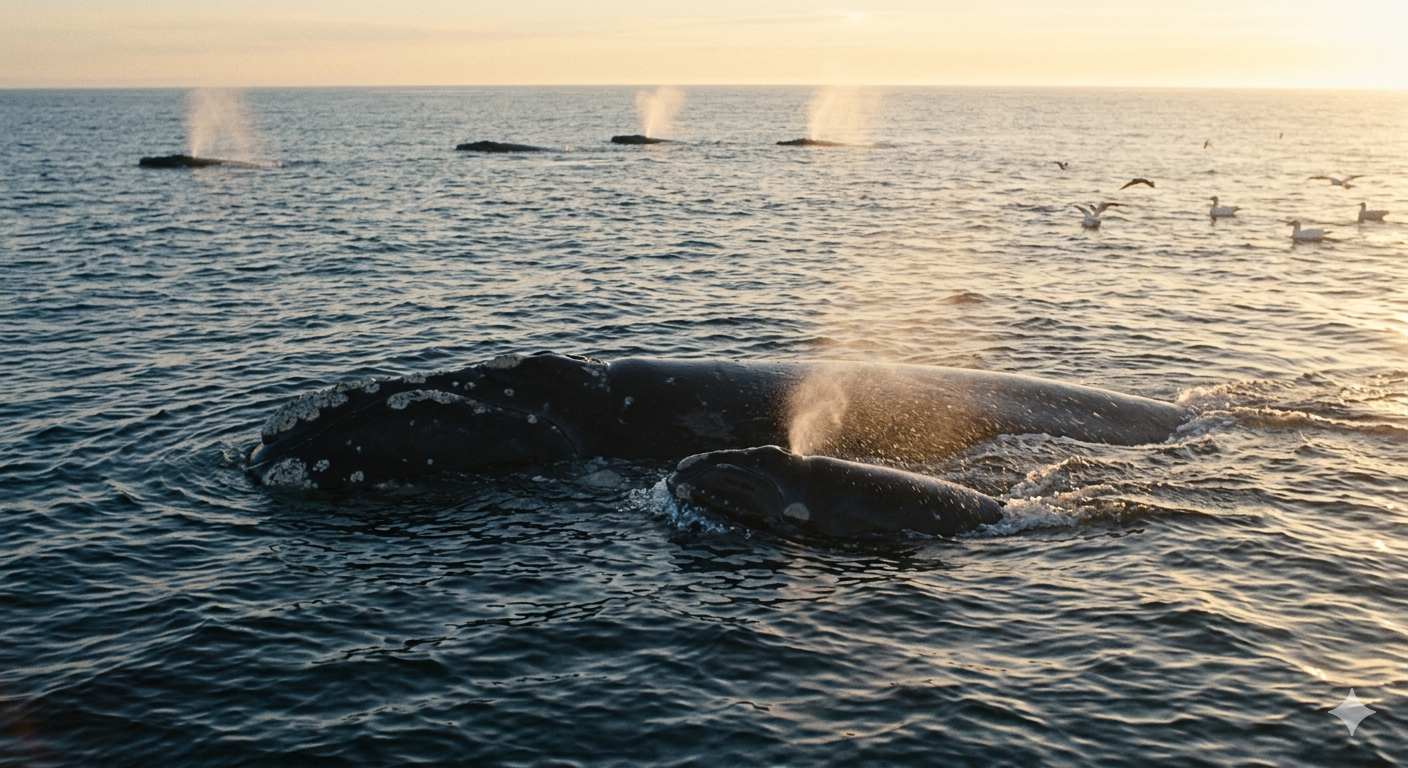
In a year that has been marked by environmental challenges, there is one piece of news that stands out as a beacon of hope. Amid the cold, vast waters of the North Atlantic, a quiet miracle is unfolding — 23 newborn North Atlantic right whale calves have been officially recorded for the 2024–2025 season.
For most species, this number might seem small. But for the North Atlantic right whale, with a population of only around 360 individuals left on Earth, this is nothing short of a lifeline. This isn’t just heartwarming news — it is a sign of survival for a species on the edge of extinction.
A Second Chance at Life: The Significance of Every Calf
The birth of each calf represents a fragile step away from extinction. For the North Atlantic right whale, every single calf is a symbol of hope. These newborns don’t just represent future generations — they represent a chance to break the cycle of near extinction and give this majestic species a fighting chance at survival.
With only a handful of right whales left, these 23 calves are a vital piece of the species’ future. If they survive, they could eventually help replenish the population, repopulating the oceans with a species that was once abundant along the North American coast. The births provide a rare glimpse of light in a battle that has felt overwhelmingly bleak.
The Ongoing Battle: Threats to Survival
However, the fight for survival is far from over. Despite this moment of hope, the North Atlantic right whale is still racing against time.
Each calf, each new life, faces threats that could extinguish that hope before it ever takes root:
- Ship Strikes: These whales travel busy ocean routes, and the risk of collisions with ships remains one of the leading causes of mortality for the species.
- Entanglement in Fishing Gear: A common danger for many marine species, including right whales, is becoming ensnared in fishing lines or nets, which can lead to injury, death, or a slow and painful decline.
- A Changing Ocean: Rising ocean temperatures and shifting food supplies due to climate change pose an additional risk. These whales rely on specific food sources that are becoming increasingly harder to find in their traditional feeding grounds.
Despite these challenges, the birth of 23 calves is a powerful reminder that, with space, protection, and time, nature still has the power to bounce back. If we give these newborns the space to grow, the protection they need from human threats, and the ability to thrive in an ocean that allows them to feed and flourish, there is still hope for their future.
What Happens Next: The Crucial Period of Survival
The next few years will be critical for these calves. Their journey from infancy to adulthood will be fraught with challenges. They will need to navigate the dangers of the ocean, survive the risks of ship strikes and entanglement, and find enough food to grow strong and healthy.
But what happens next will define their future. The survival of these calves doesn’t just depend on the natural environment; it depends on the collective will of humankind. Our actions — through stronger conservation policies, better shipping regulations, and more careful fishing practices — will determine whether these newborns will grow to adulthood and continue the legacy of their species.
The Power of Protection: Space to Thrive
One of the most powerful lessons we can learn from these calves is the need for space and protection.
- Protected migration routes can help reduce the risk of ship strikes.
- Innovative fishing gear that prevents entanglements can save lives.
- Marine sanctuaries where whales can feed without the looming threat of human interference provide a much-needed refuge.
The key to ensuring the survival of the North Atlantic right whale is space — both physical and protected. These whales don’t need miracles. They don’t need fame. They need a safe ocean, one where they can thrive, far from the threats that have pushed them to the edge of extinction.
Hope for the Ocean: Let’s Act Now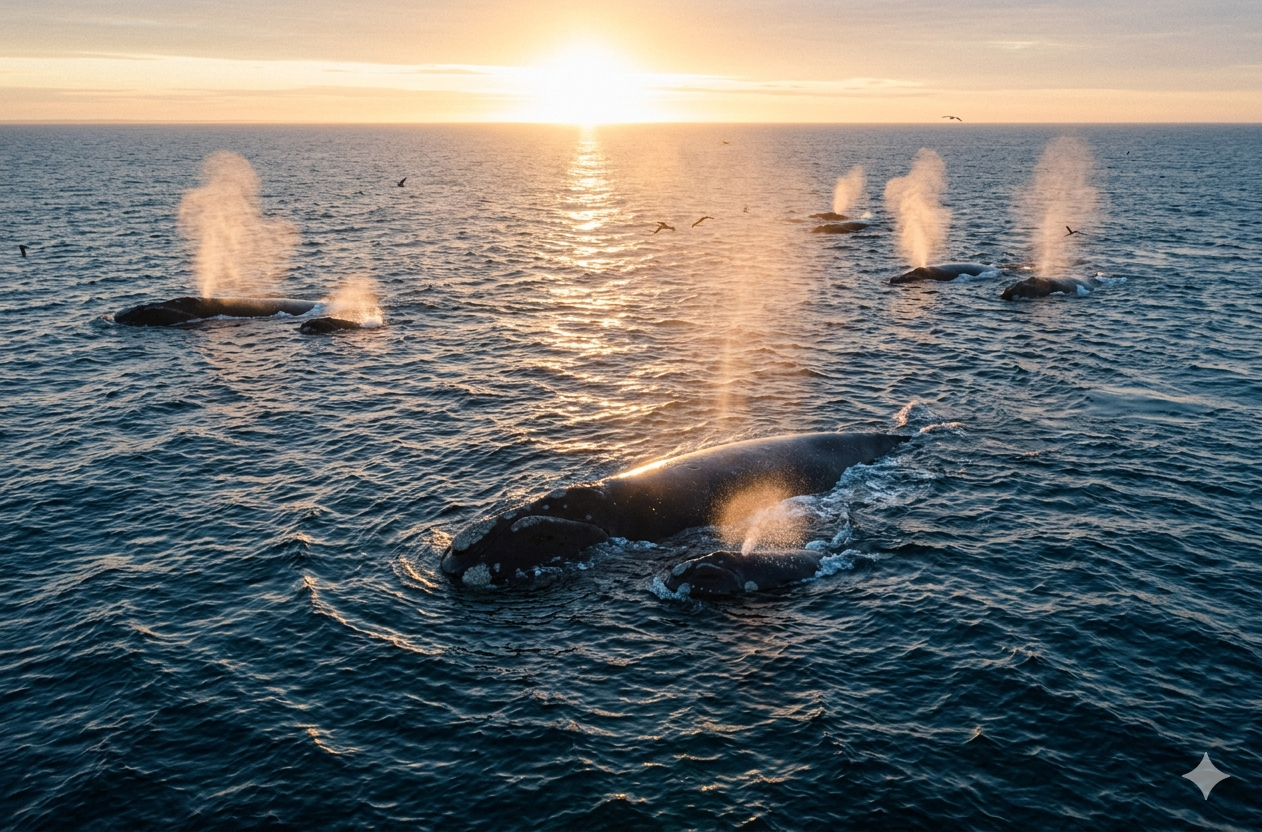
This moment is a call to action. If we want these calves to survive and thrive, we must act. Now is the time for stronger protections, more sustainable fishing practices, and greater care for the oceans that sustain all marine life.
While we can be hopeful about these 23 new lives, we must also remember that the fight is far from over. We cannot afford to let the momentum of this hopeful news fade. These whales need our help — not just to survive today but to thrive tomorrow.
Conclusion: A Future for the Right Whale?
The birth of 23 North Atlantic right whale calves is a powerful reminder that life still finds a way — even when everything seems stacked against it. But their future is still uncertain, and it’s in our hands to ensure that these new lives are not just another miracle, but the beginning of a new chapter for the right whale species.
We must protect their future, give them space, and create an ocean where survival is possible — not a miracle. If we do, these calves could grow into adults, and in doing so, they will help pull their entire species back from the brink of extinction.
Let’s ensure that hope isn’t just a word — but a reality.
Conclusion: The Road Ahead
The North Atlantic right whale’s story isn’t over. It’s still unfolding. And if we make the right decisions now, we could witness the recovery of a species that has faced the brink of extinction.
Let’s act. Let’s give them the space they need. Let’s protect the ocean they call home.
Because if these calves survive, they won’t just grow — they will help save an entire species.
The ocean just got a little more hopeful.